Outrage rescued an important ocean research program. Crucial ones remain at risk.
Why this matters: environmental and climate reporting with long-term consequences.
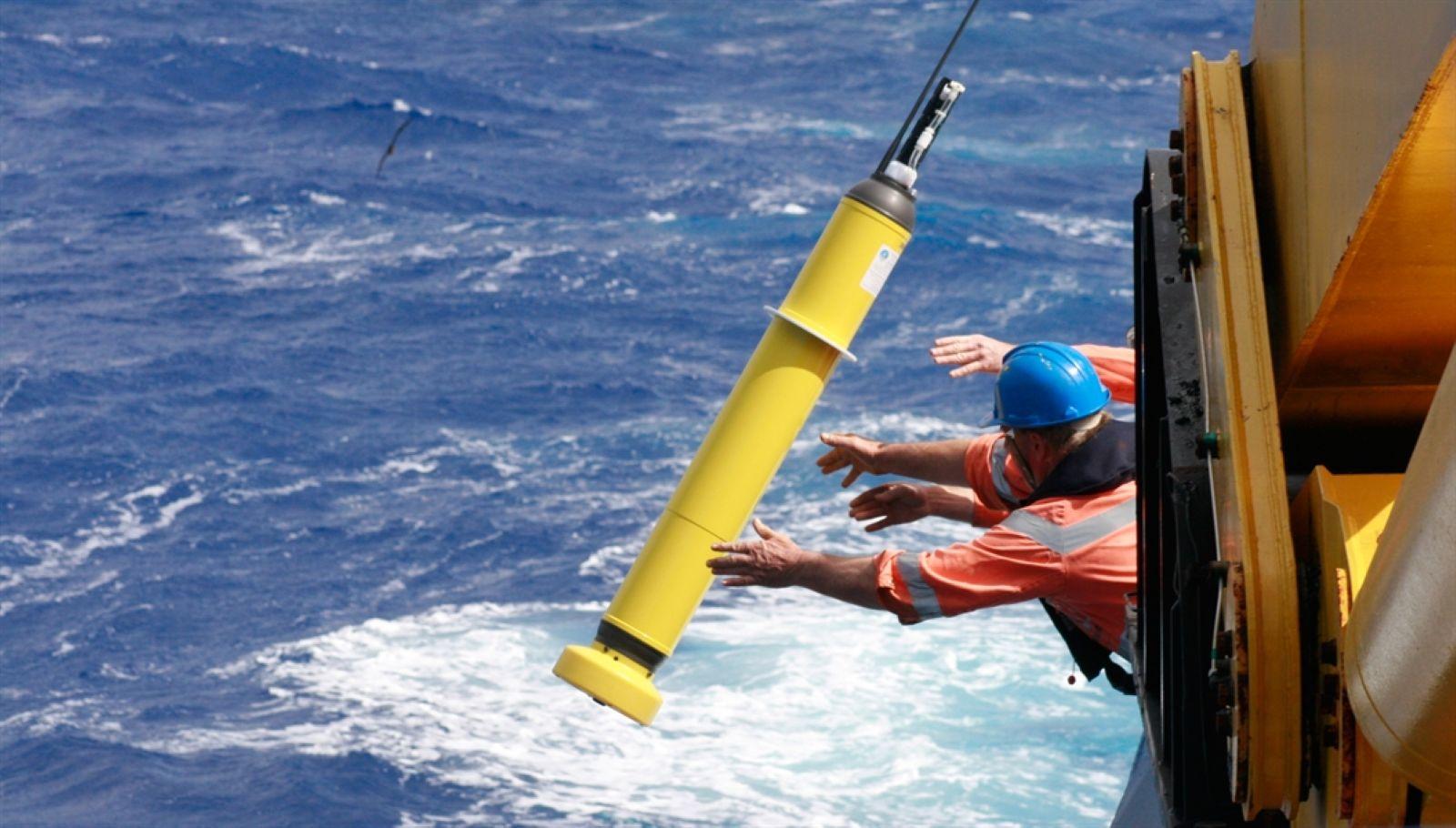
Just a few weeks ago, the Trump administration said it was going to pull hundreds of scientific instruments out of ocean waters near the Pacific Northwest, North Carolina, and the Irminger Sea, south of Greenland. It was part of the administration’s plan to roll back funding from a multimillion dollar research program dedicated to studying complex ocean and planetary dynamics, including climate change. Then, last week, it put the brakes on that decision. The National Science Foundation said it would stop dismantling the sensors after a bipartisan group of senators pushed back and passed a measure blocking the agency from doing so. The federal agency also plans to put back the equipment it had already removed. The attempt to dismantle the system, known as the Ocean Observatories Initiative, or OOI, was “supreme stupidity,” said Senator Jeff Merkley, a Democrat from Oregon who sponsored the measure along with Senator Lisa Murkowski, a Republican representing Alaska, in a statement. “We’ll keep fighting to ensure scientists, fishermen, and coastal communities can continue to utilize the critical data the OOI provides.” This is not the first time that outrage and bipartisan support have saved climate-related research from the sweeping cuts enacted by the Trump administration. Sometimes to little fanfare, lawmakers have moved to preserve funding for scientific research at a number of agencies, as well as some environmental programs like Energy Star, which provides consumer rebates for purchasing energy-efficient appliances. Given their success, it’s likely that the administration’s anti-science agenda will continue meeting more backlash. The Ocean Observatories Initiative had already been protected by lawmakers twice after the Trump administration proposed cutting the majority of its funding in 2025 and 2026 budgets. For now, the program, which began in 2016, is slated to continue operating for at least another decade. But the initiative is not the only important ocean m