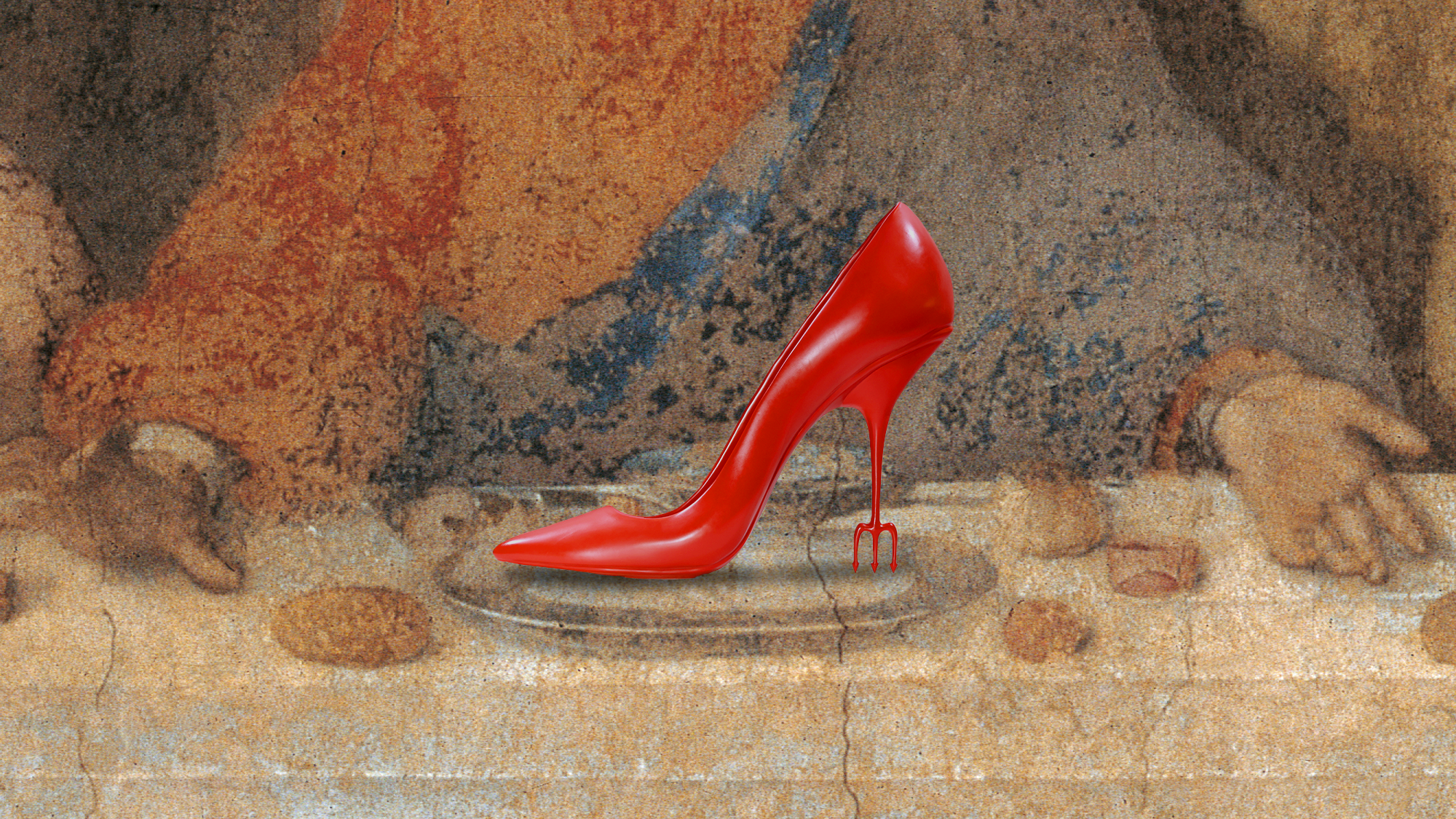
The Most Awkward Cameo in The Devil Wears Prada 2
Picture, if you will, a gathering at Milan Fashion Week, hosted by one of the world’s glossiest magazines and attended by planetary VIPs. The event: a post-show dinner. The mood: celebratory. The setting: a rectory in a state of photo-friendly disrepair. Candles cast flickering light on the age-worn walls. Champagne flows. Every detail has been considered. Every invite has been curated. Every element of the evening, from the decor to the passed hors d’oeuvres, hews to the mandates of quiet luxury—save for the guests themselves, many of them clad in sequins and satin, all of them serving as reminders that luxury, even the quiet kind, has a way of making itself loud.The event might have been hosted by Vogue; this version was put on by Runway, the fictional publication in The Devil Wears Prada 2. In the film, it is a climactic scene: What goes down will decide the fate of the magazine and the people who produce it, including Miranda Priestly, the imperious and embattled editor in chief, and Andy Sachs, the newly installed features editor. The evening’s import is conveyed by the fact that the dinner is set not in a standard-issue rectory but in the one that belongs to Milan’s Convent of Santa Maria delle Grazie—the same room where, in the final years of the 15th century, Leonardo da Vinci transformed a wall into the mural that would come to be known as The Last Supper.The backdrop is proof that history, whether tragic or comic or something in between, can also be an aesthetic—and read as a metaphor. Viewers might sense a grand statement being made by the invocation of this famous painting. Here, gathered in the rectory, are humanity’s self-styled elites: the rich, the beautiful, the powerful. And there, above them, is Leonardo’s image of Jesus—arms outstretched, eyes cast down—presiding over the scene.The Last Supper depicted Jesus breaking bread with his followers, one of which would soon betray him. Devil 2 can be interpreted as a rendition of that narrative, in which