Rural North Carolina fights back against PFAS contamination
Why this matters: environmental and climate reporting with long-term consequences.
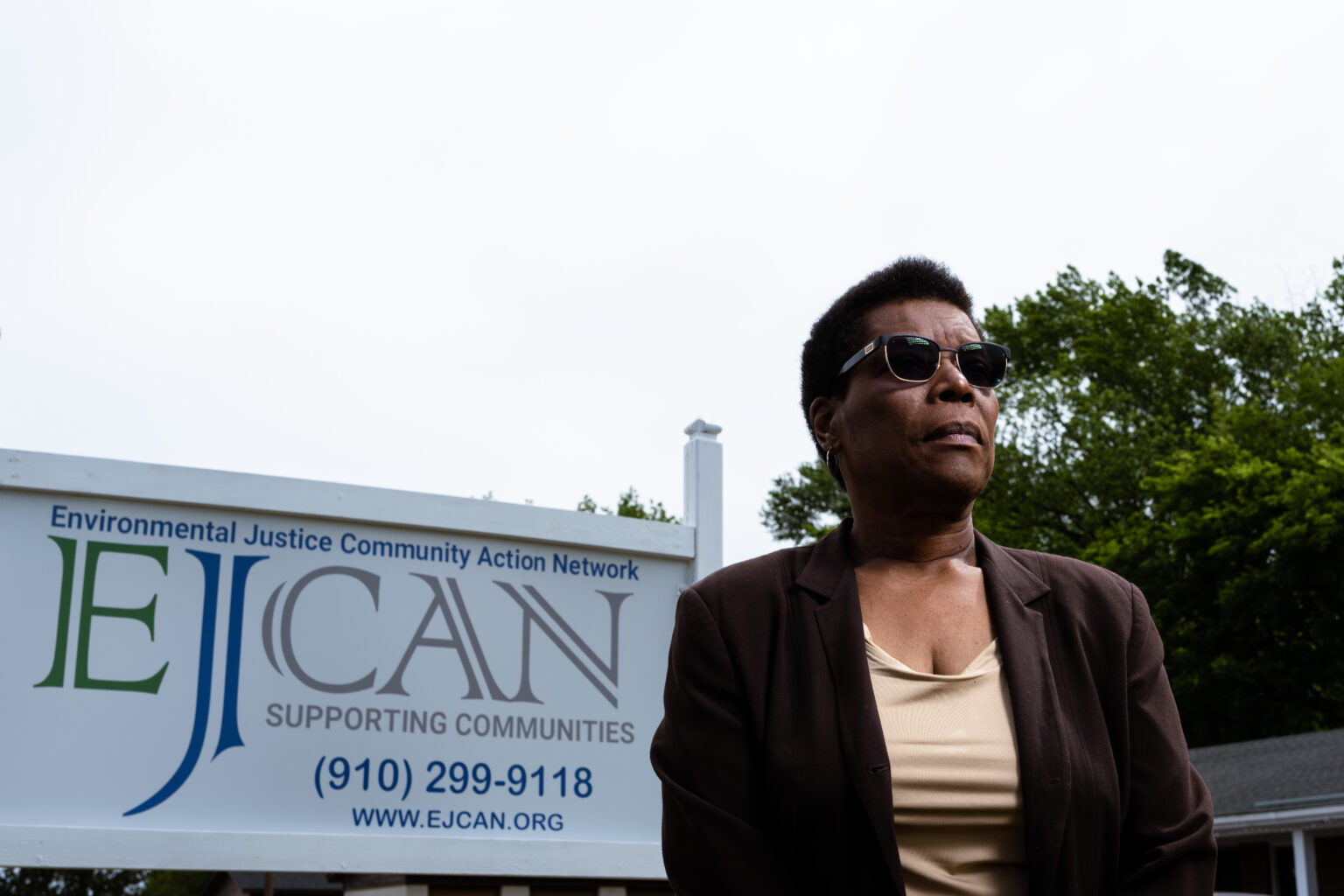
For more than half a century, residents of Sampson County, North Carolina have watched their local landfill grow to nearly 1,300 acres, becoming the largest in the state. Garbage now arrives from far beyond the county line, traveling from all over the state. For locals like Sherri White-Williamson, the scale of the operation has become a source of concern. She grew up in the county, and was alarmed by potential for landfill chemicals leaching into residents’ groundwater and the impact it may be having on their health. “Many of the folks out around that landfill are on well water,” White-Williamson explained. “They are drinking in it, they’re bathing in it, they’re using it to water gardens and animals.” She worked for years at the U.S. Environmental Protection Agency, working in its Office of Environmental Justice, where public outreach and education, and coordinating between communities and federal agency staff together with the community were part of her daily routine. Eventually, White-Williamson saw that kind of advocacy was missing in her own backyard. In 2020, she co-founded the non-profit Environmental Justice Community Action Network (EJCAN) to educate and empower communities to advocate for themselves on environmental issues. Not long after its first meeting in October of that year, the group began working with residents of Snow Hill, a historically Black rural community near the Sampson County landfill. People described a range of environmental and public health worries. One concern that rose quickly to the top was whether the water — especially the private wells on which many households rely — might be contaminated. Sherri White-Williamson outside of EJCAN’s headquarters in Sampson County, NC. Cornell Watson Over the next few years, EJCAN partnered with UNC Chapel Hill and Appalachian State to do free well water testing through some small grants. “The community felt like they were seeing elevated levels of illnesses and [were] convinced what they we