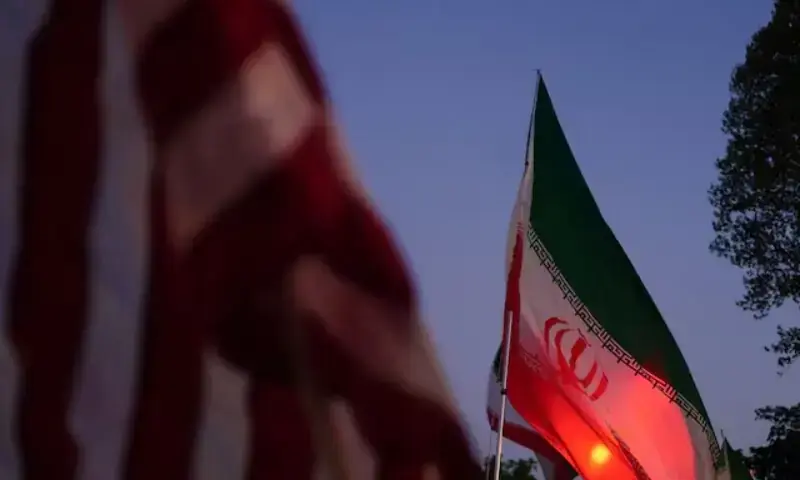
US-Iran deal seems more of a ‘stopgap measure’
Why this matters: local context for readers following news across Pakistan and the region.
FOR a few hours on Saturday, it appeared that the long diplomatic effort led by Pakistan to end the US-Iran war was approaching its culmination. President Donald Trump spoke of signing an agreement on Sunday, while Pakistani and Qatari mediators echoed the same with high confidence. Interestingly enough, Iranian Foreign Minister Abbas Araghchi also remarked that a deal had never been closer. Still, within hours, Tehran publicly pushed back against reports that a signing ceremony was imminent, with Foreign Ministry spokesman Esmaeil Baghaei making it clear that no agreement would be signed that day. Still, as these lines were being written, it was not clear whether the delay was temporary or whether the negotiators were struggling to bridge differences that remain unresolved. Such uncertainty, in any case, isn’t unusual in diplomacy especially when it is taking place between arch rivals like the US and Iran. MoU looks driven less by reconciliation than by exhaustion Even so, the broad contours of the proposed arrangement are now sufficiently visible to assess what kind of agreement is taking shape and why it is generating sharply different reactions among the stakeholders. The first point to understand is that the proposed memorandum does not appear to be a peace agreement in the conventional sense. It has not been, as per the details leaked so far, formulated to resolve the dispute over Iran’s nuclear programme, settle issues pertaining to sanctions, address the regional balance of power, or settle the future of Iran’s regional partners and allies. Instead, it is emerging as an armistice plus framework essentially prepared to stop escalation, reopen the Strait of Hormuz for restarting regional trade halted due to hostilities and create a structured negotiating process for unresolved disputes. That distinction matters because the agreement is being driven less by reconciliation than by exhaustion of the warring sides. The emerging arrangement, therefore, looks less l