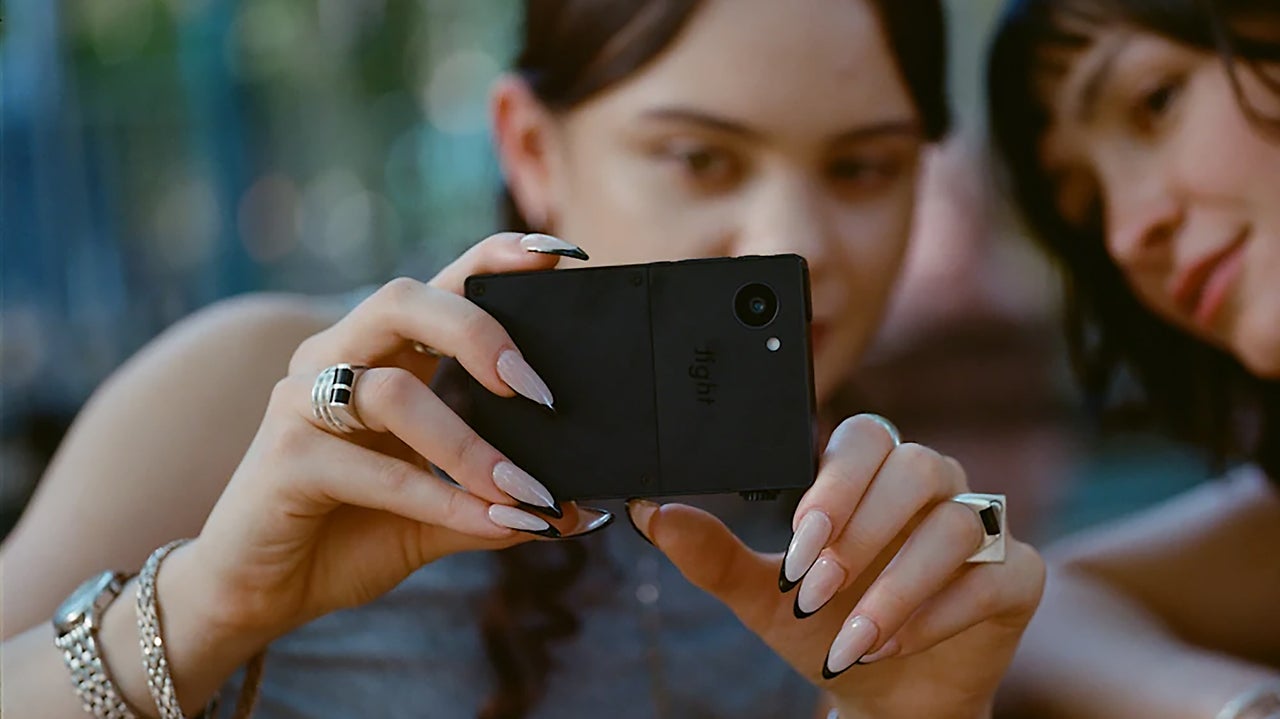
Is the Light Phone getting too smart?
When Joe Hollier and Kaiwei Tang met at an experimental incubator run by Google a little more than a decade ago, developing a new phone from scratch wasn’t the goal. Rather, they were encouraged to think up and create new smartphone apps. Almost immediately the two of them found the assignment grating. The business model of many smartphone apps is retention: someone using the app over and over, sharing their time and personal data in the process. They wanted to flip the script. “A lot of my woes were about separating on and off from work. I found myself checking email right before going to bed or out at dinner on a date,” says Hollier, a 35-year-old artist. “I really personally wanted to carve out boundaries and compartmentalize the internet.” Meanwhile, Tang had recently left a job designing phones for Motorola and Nokia, questioning the industry’s obsession with churning out yet another device consumers didn’t really need. “Maybe we should just design technology like how we design physical tools,” says Tang, 46. (Think of a hammer. Now think of the last time you had to buy one.) Over the course of a few months they handed out flip phones to about a dozen people they knew and told them to use them in the evenings or on weekends. The pair framed it as “going light.” Granted, it was a small sample size, but the response, they say, was overwhelming. Everyone loved that the device they were using made it so that they didn’t have to be ready to reply to an email, a tweet, an Instagram message. There was no stream to check or app to feed. So Hollier and Tang launched a Kickstarter, began sourcing parts, built the hardware from scratch, programmed their own operating system, and created the Light Phone. The essential promise? No internet. Ever. With no way to get online, there is no way for a user to check social media, scroll endless news feeds, read email on the fly—anything that pulls attention from the immediate world. Since launching the first-generation Light Phone,