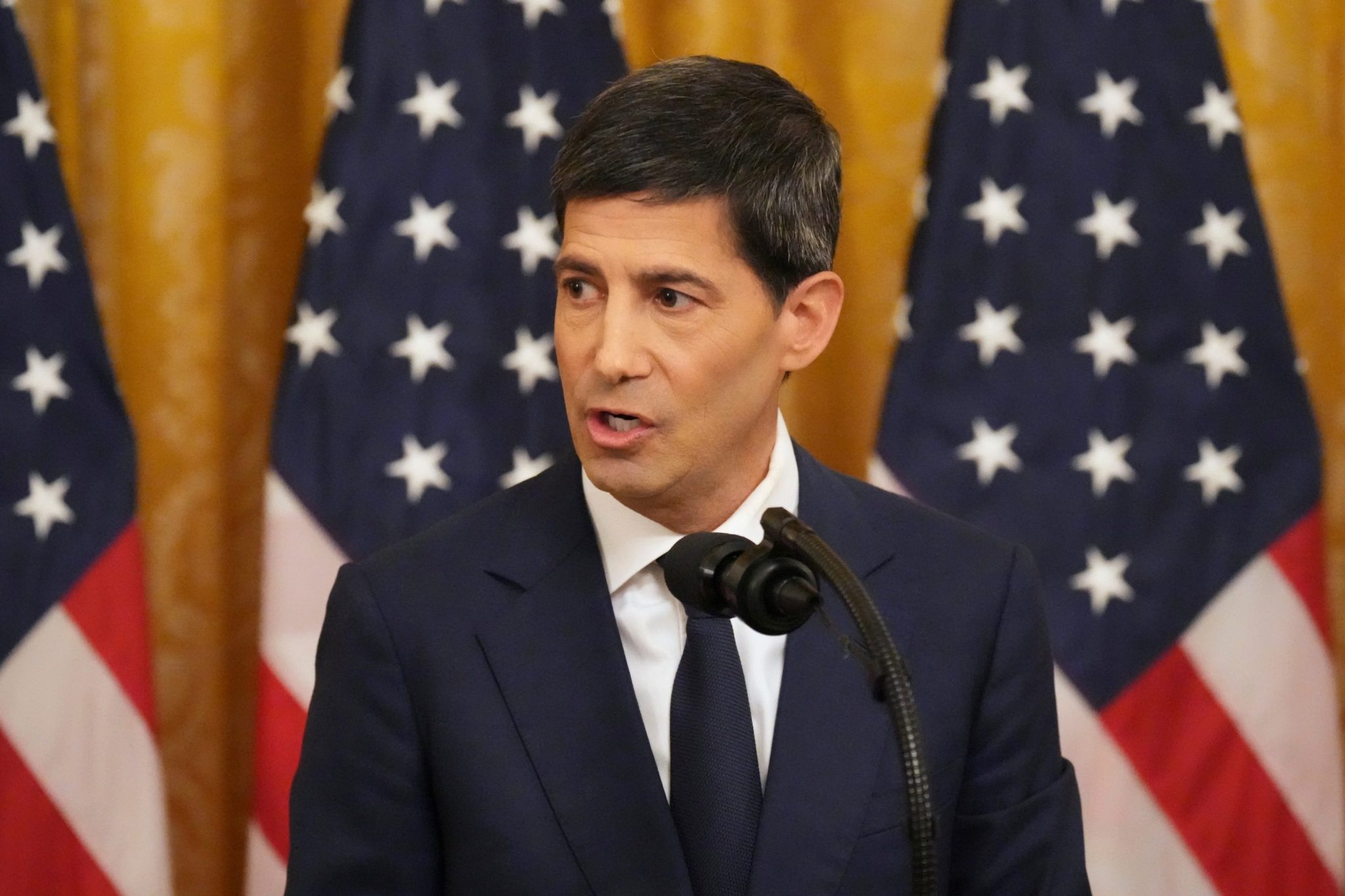
Kevin Warsh spent a year calling for rate cuts. Now he’ll have to explain why he can’t
The Federal Reserve will enter the Kevin Warsh era Wednesday, as President Trump’s pick to lead the central bank oversees his first policy meeting and holds his first news conference. Yet Warsh isn’t expected to immediately usher in significant policy changes. The Fed is likely to keep its key rate unchanged Wednesday at about 3.6% for the fourth straight meeting, economists say. Fed policymakers could change their post-meeting statement so that it no longer signals the central bank’s next move will be to reduce interest rates. Such a change would suggest it could keep rates unchanged for an extended period — or even raise them if inflation stays elevated. Wednesday’s highlight is likely to be the press conference Warsh will hold in the afternoon, which Wall Street investors, economists, and quite likely the White House will closely watch to see how Warsh conducts himself. Warsh was previously an investment banker, a member of the Fed’s board of governors from 2006-2011, and a visiting fellow at the conservative Hoover Institution. Fed-watchers will look for clues to the answers to some key questions: What, if anything, will he signal about where interest rates will head next? How does he think the Fed should address the elevated inflation stemming from the Iran war and its boost to gas prices? Will he change the Fed’s communication practices, and how? It’s possible, for example, that Warsh could cut the number of press conferences each year from eight — one after each meeting — to four, or one after every other meeting, which was the approach taken by former chair Ben Bernanke when he inaugurated the post-meeting press conference. Warsh has said he would like the Fed to lower its public profile and reduce its commentary on the economy, which he thinks can lock in Fed officials to supporting specific policies for too long, simply because they’ve expressed their support publicly. Yet reduced communication — whether thro