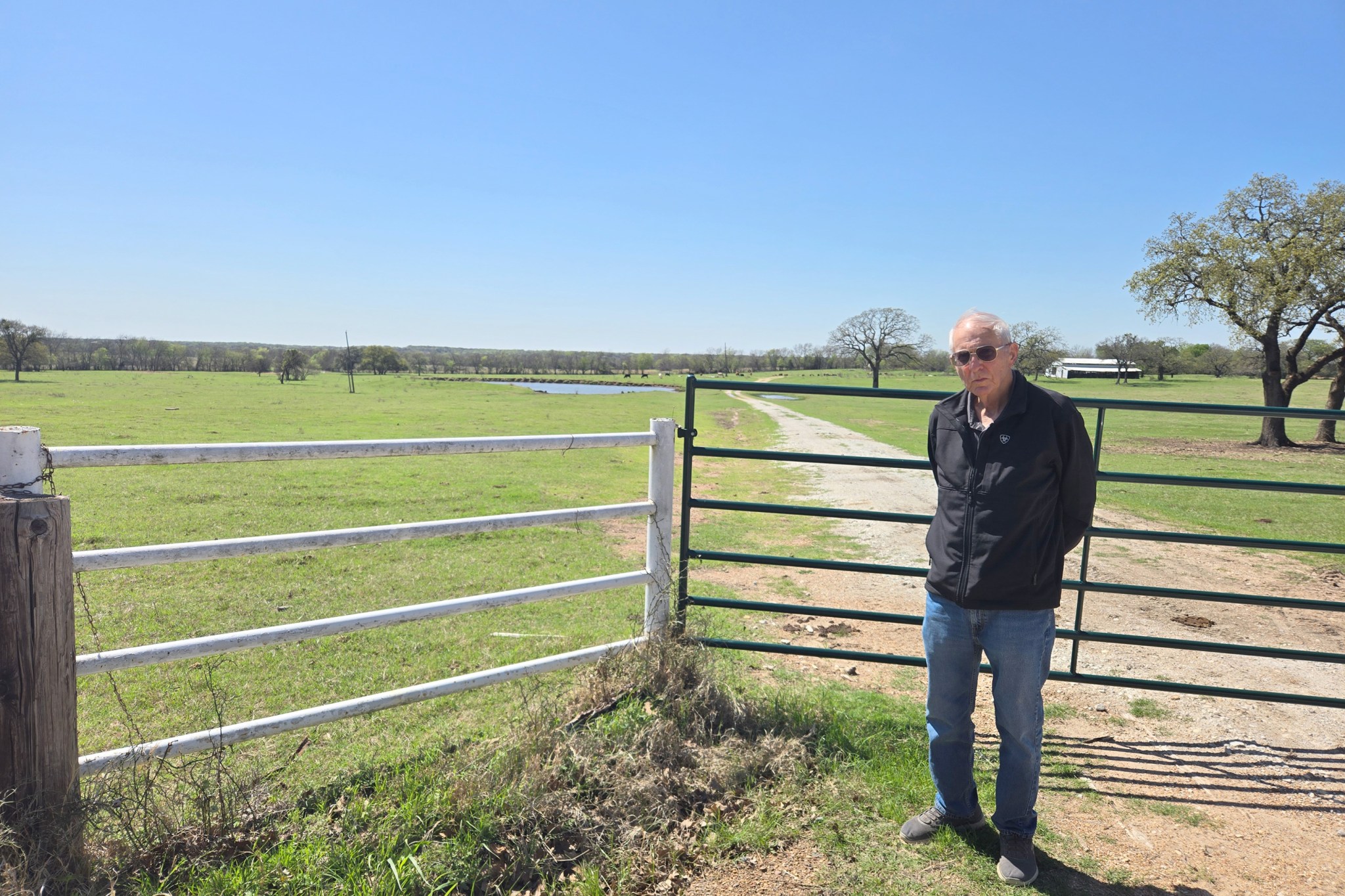
Two mayors, one $10 billion AI data center, and a growing divide in small-town Texas
The lives of Jim Jaska, the 80-year-old mayor of Ross, Texas, and Mayor Charles Wilson, 65, of the nearby town of Lacy Lakeview, have long been deeply intertwined. Wilson’s mother worked alongside Jaska for years in the local public schools. Their ancestors are buried in the same cemetery in Ross. Jaska was even Wilson’s football and baseball coach at Connally Junior High. “Hard worker, decent athlete, good kid,” he said of his former student, who went on to serve overseas in the CIA before returning home. But now the two men, who both grew up in these central Texas towns outside of Waco, find themselves on opposite sides of the fierce debate around AI data centers that is roiling their communities as well as much of the nation. Last summer, Infrakey, a newly established AI data center developer, purchased a 520-acre plot of unincorporated farmland next to Ross for a proposed $10 billion AI data center campus with a power capacity of nearly 1 gigawatt—enough to power a midsize city. Jaska and Wilson see the project very differently. For their neighboring communities, one rural and one suburban, the data center represents both an enormous opportunity and a profound risk. That’s because Texas municipal law has created a stark divide between the two towns. Ross, with a population of just 200 and no taxing authority, sits right next to the site of the project’s industrial footprint, with some residents directly bordering the parcel. Lacy Lakeview—seven miles south but legally positioned to claim the land—is moving to annex the site of the data center, and stands to collect up to $50 million a year in taxes. This has created growing tensions between the neighboring communities over who gets the benefits, who absorbs the consequences, and who ultimately gets a say. The project is part of a much larger trend: Across Texas and other states in the South and Midwest, rural communities are finding themselves caught in the path of the AI infrastructure boom as developers race t