US host cities made transit improvements a World Cup goooooooal
Why this matters: environmental and climate reporting with long-term consequences.
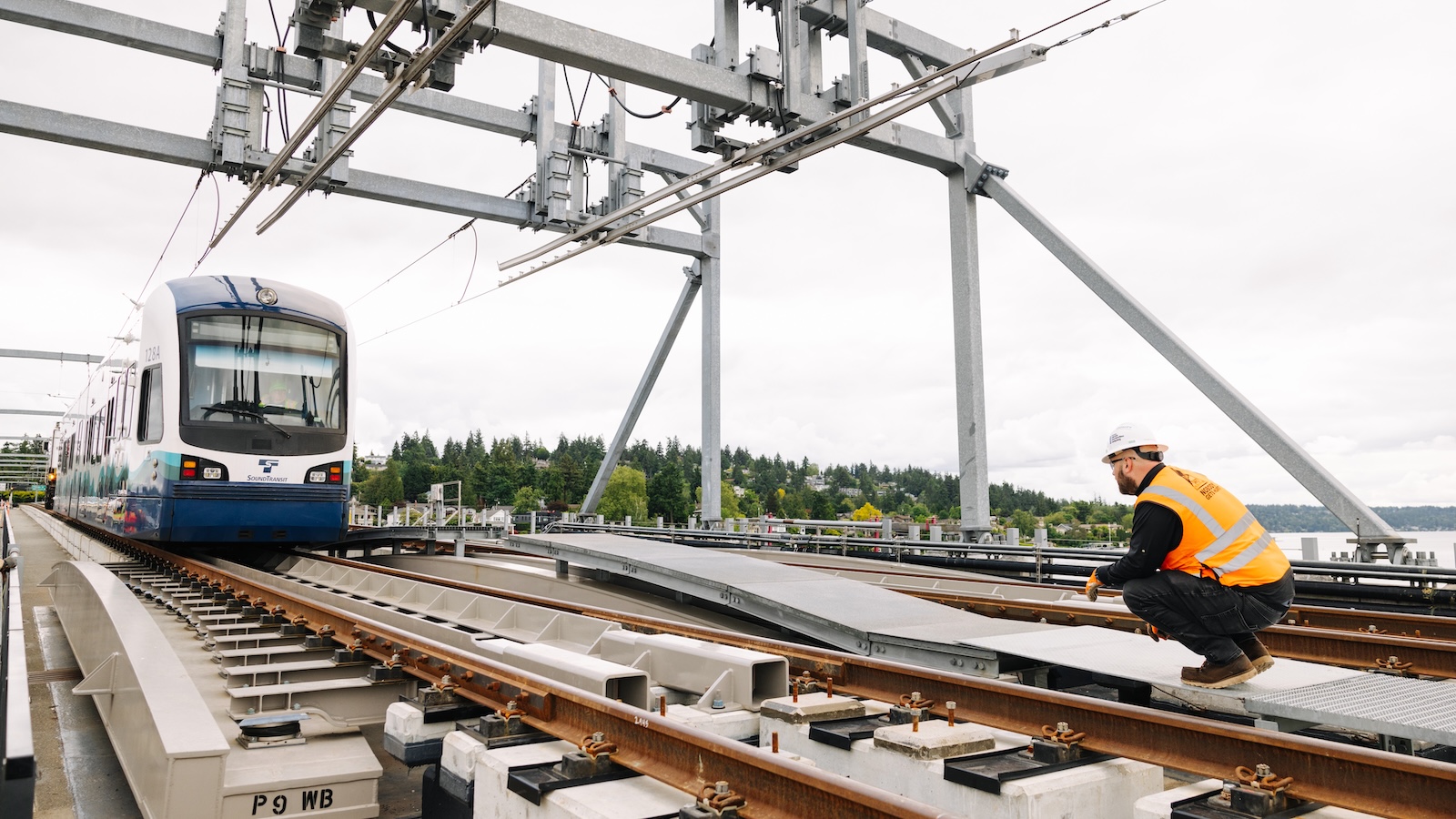
The latest addition to Seattle’s already impressive public transit system opened to great fanfare this spring when more than 200,000 people rode the Crosslake Connection light rail line. Its March 28 debut was second only to the parade that followed the Seahawks’ Super Bowl victory as Sound Transit’s busiest day ever. Trains now glide across Lake Washington on what is believed to be the world’s first electric rail line that spans a floating bridge, linking the city with Bellevue and Redmond, and doubling the frequency of stops in the heart of Emerald City. Those same tracks will carry tens of thousands of fans downtown to Lumen Field for the six World Cup matches the city will host between June 15 and July 6. Kirk Hovenkotter, who leads the transit advocacy organization Transportation Choices Coalition, has no doubt that Seattle’s sustained commitment to public transit helped it become a host city. This summer’s spotlight follows an earlier snub. When the World Cup came to the United States in 1994, Seattle hoped to host matches at Husky Stadium but came away empty-handed. In the 32 years since, the metropolitan area has grown from 2.5 million people to more than four million. Its transportation infrastructure has boomed as well. Steady investment that began with voter approval of the Sound Move transit package in 1996 helped launch light rail in 2008 and turn Seattle into one of the country’s most ambitious builders of public transit. This summer’s World Cup became the deadline for opening the Crosslake Connection. “Our region hasn’t been preparing for the World Cup for 18 months,” Hovenkotter said. “It’s been preparing for 18 years.” Seattle is one of 16 cities, 11 of them in the U.S., that will host matches in a tournament FIFA, the sports’ sanctioning body, expects to draw more than five million fans. Several are using the event as an opportunity to open rail lines, redesign bus networks, and make other changes that will benefit residents long