America turns 250 with a dangerous new problem: We no longer agree on what’s real
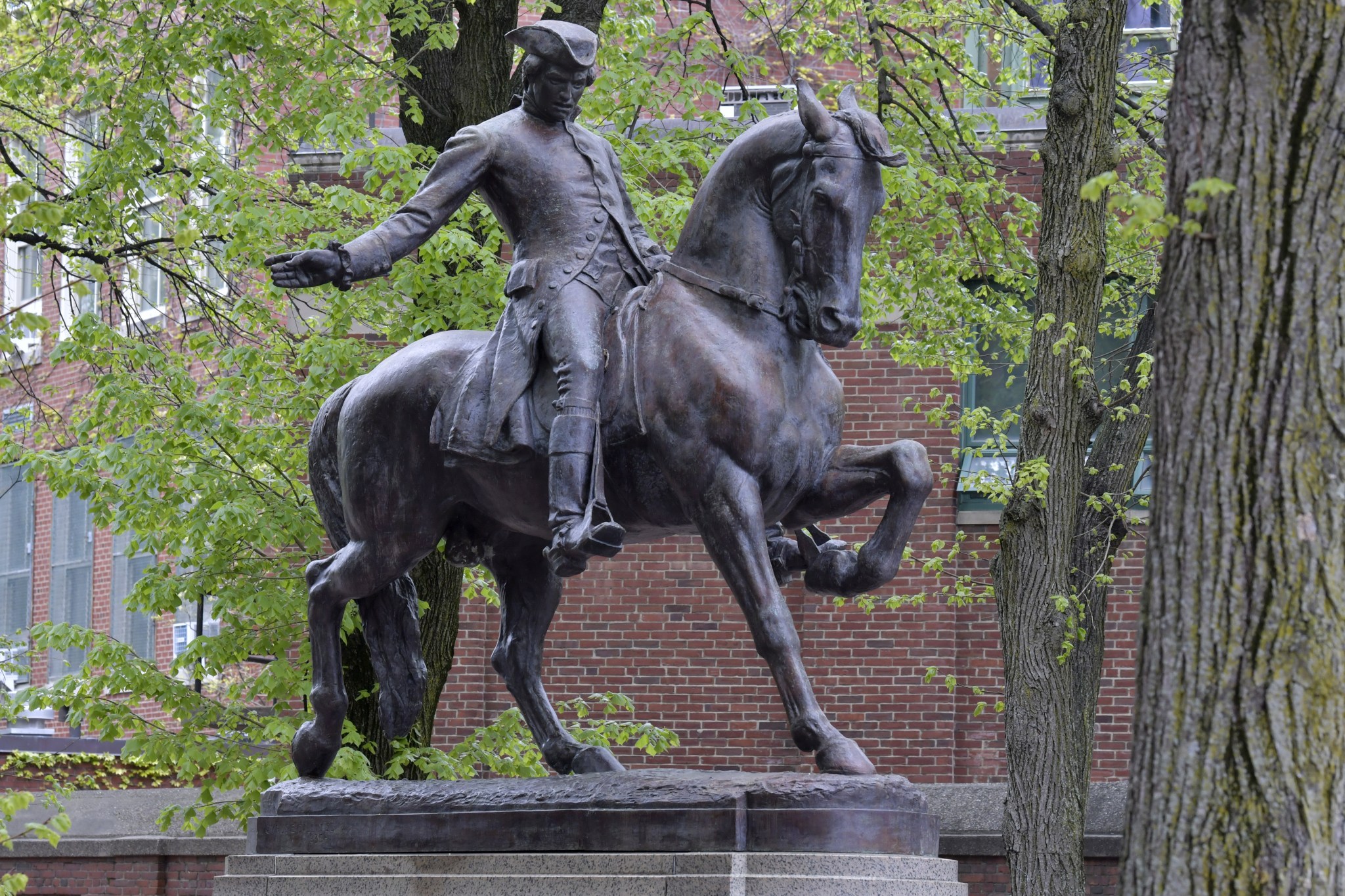
On a moonlit night in April 1775, Paul Revere rode through Massachusetts with a warning — “The British are coming” — as English troops advanced toward Lexington and Concord. The episode became one of the defining stories of America’s founding. Yet Revere’s ride succeeded for a reason deeper than the courage of a single messenger. The colonies understood the British threat. Revere’s warning provided urgency and timing, not persuasion. Americans acted collectively because they largely agreed on the underlying reality. For much of the nation’s history, American institutions operated on a simple assumption: If enough people received the same information, most would arrive at roughly the same understanding of events. That shared understanding of reality became a form of national infrastructure. Markets depended on it to price risk and allocate capital. Businesses depended on it to plan and invest with confidence. Democracies depended on it to sustain legitimacy and public trust. America survived yellow journalism, political demagoguery, propaganda and conspiracy. What made the system resilient was not the absence of falsehoods, but the existence of a broadly shared factual baseline. That baseline is now fracturing. The danger is no longer the speed at which information travels. It is that misinformation now travels faster than institutions can interpret, verify, or respond. The result is growing uncertainty about what is real — and that uncertainty increasingly carries economic consequences. Every communications revolution in American history has reshaped politics, commerce, and culture. Colonial newspapers and pamphlets fueled revolutionary debate. and expanded political participation. Philadelphia and the other colonial capitals supported competing publications, exposing citizens to sharply different political arguments. Speeches and sermons circulated widely, helping create a national political identity before the nation itself form