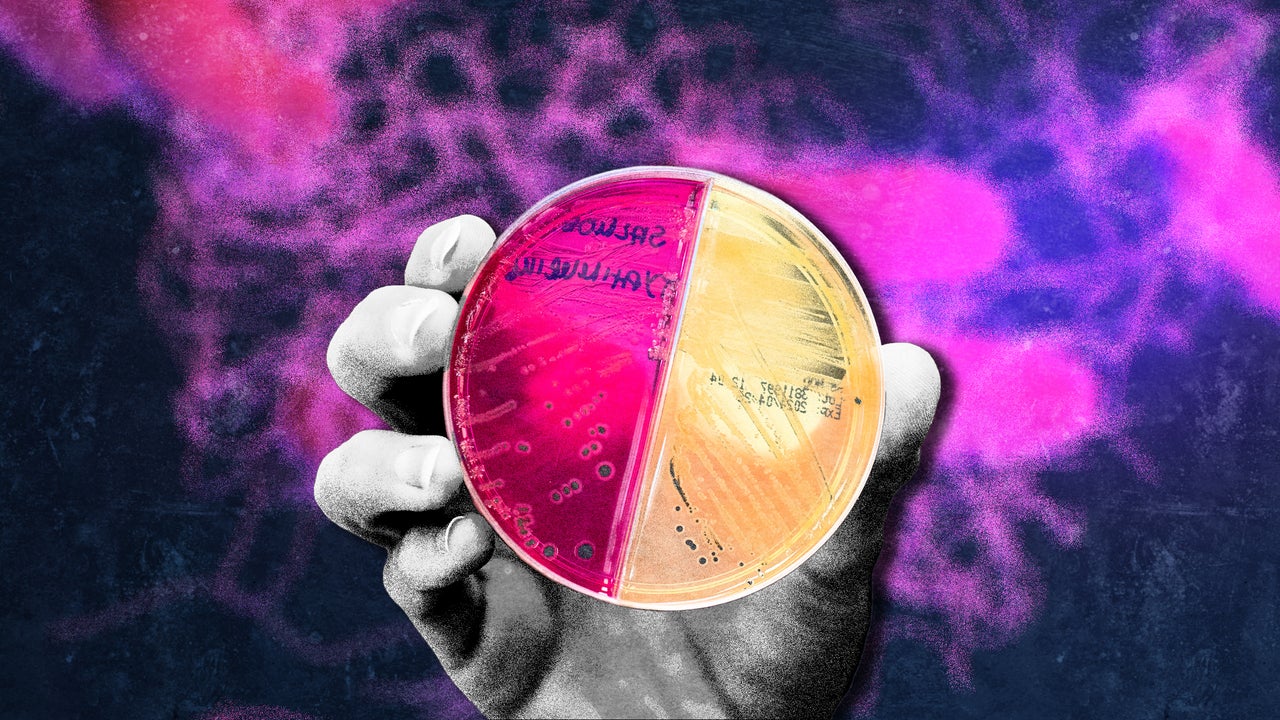
Why are there so many Salmonella outbreaks? 4 reasons for the nonstop food recalls, sicknesses, and safety warnings this year
More than 30 states across the country have had at least one case of someone sick with Salmonella so far in 2026. Many of those cases are believed to be caused by contact with outdoor poultry, like ducks and chickens. But separately, there’s also been a wave of food recalls for Salmonella contamination, tied to milk powder used in snack seasoning. Salmonella isn’t an uncommon bacteria; each year, the U.S. sees some 1.35 million Salmonella infections, according to the Centers for Disease Control and Prevention (CDC). Most of those stem from food. If it seems like Salmonella is becoming more common, though, there are a few reasons why—related to how we detect such outbreaks, and how climate change affects our environments. Better outbreak detection One reason you may notice more Salmonella recalls or news about infections is that we’ve simply gotten better at detecting outbreaks, even in the last decade, says Craig Hedberg, an epidemiologist and professor at the University of Minnesota’s School of Public Health. Advances in laboratory practices mean food safety experts can “fingerprint” the bacteria, which helps identify when two Salmonella cases might be related to each other—even if they’re far apart. Scientists do this through whole genome sequencing, analyzing samples from people who have gotten sick with Salmonella and linking cases together. But we only started using whole genome sequencing for salmonella surveillance as a nation as of 2019. “That has really improved our ability to detect outbreaks,” Hedberg says. Each state does this and then gives their data to the CDC, which looks for clusters of related cases and then investigates the source. Scanning electron micrograph of Salmonella Typhimurium invading a human epithelial cell. [Photo: NIH-NIAID/Image Point FR/BSIP/Universal Images Group/Getty Images] More frequently asked questions To do those investigations, officials interview people who have been infected to find commonalities, like if they’ve had cont