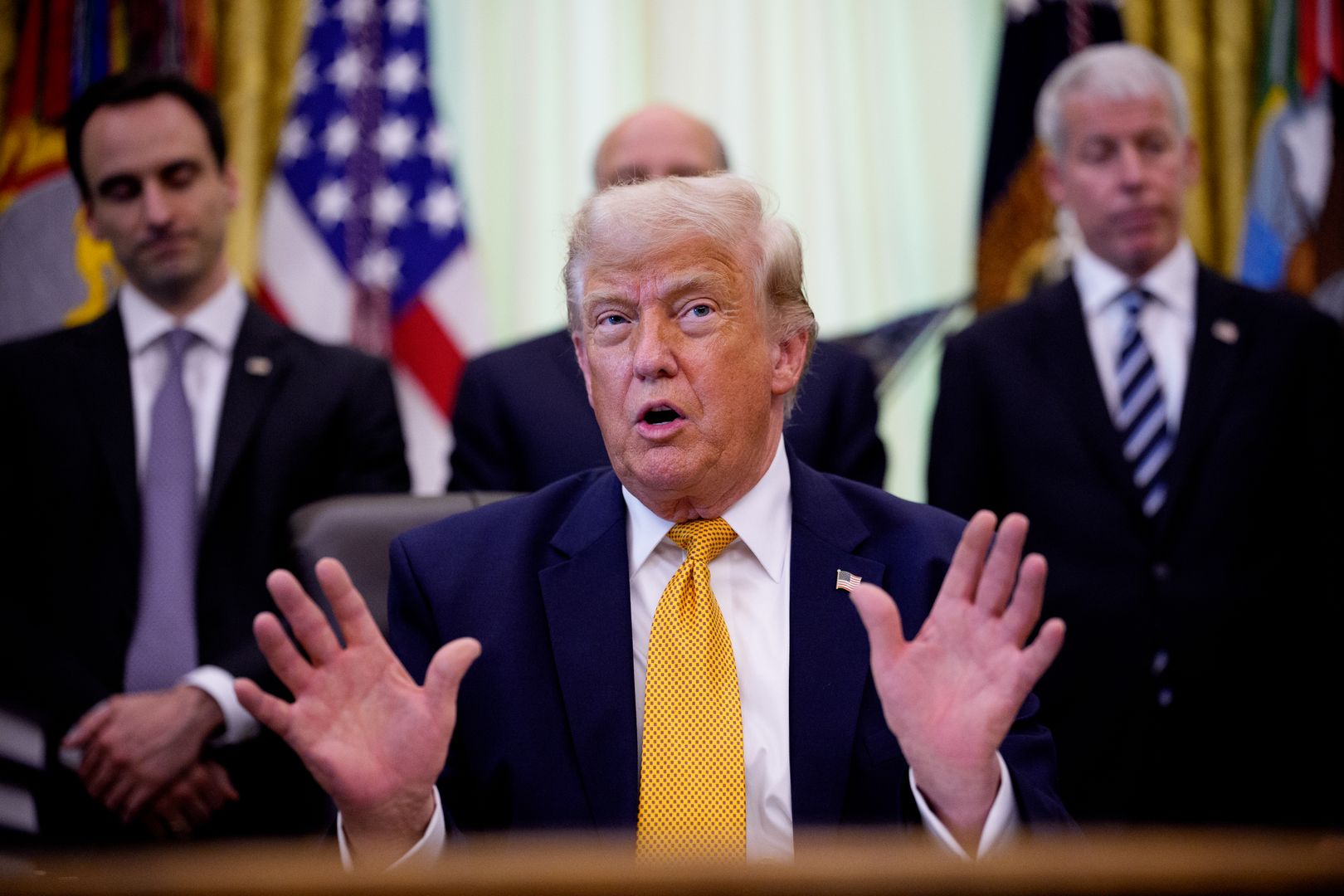
Trump refuses to sign law with U.S. CBDC ban, demands approval of elections bill
Key takeaways
- The voter-ID effort "has been stuck in the Senate," Speaker of the House Mike Johnson told reporters, saying the bill needs to be put into another budget bill.
- Jeopardizing the existing housing bill could represent a heavy blow to Congress, in which both parties had embraced the affordability effort, and it's also a potential setback to the anti-CBDC forces.
- Republican politicians have argued that a digital dollar managed by the Federal Reserve could be used to spy on the finances of citizens.
President Donald Trump has refused to sign a law that includes a four-year ban on central bank digital currencies, which was part of Congress' housing affordability bill, until he gets unrelated legislation passed that would demand proof of citizenship from voters.
Trump had a signing ceremony planned for Wednesday, but he said in a post on Truth Social that it's "hereby cancelled until such time as we pass the desperately needed SAVE AMERICA ACT, which I consider to be a National Emergency." But a domino effect of that position could also endanger the timing of the crypto industry's more urgent policy effort for its market structure bill.
The legislation Trump is demanding carries a number of contentious federal voting policies to require citizenship proof and identification from voters, though Republican leaders have reportedly hit a wall on support for the bill. The president had made a threat earlier this year to block all other legislation until the SAVE America Act lands on his desk, though until Wednesday morning, he'd been planning on the signing of the major effort to address the affordability of homes in the U.S.