What’s driving up your expenses? Many Americans say climate change.
Why this matters: environmental and climate reporting with long-term consequences.
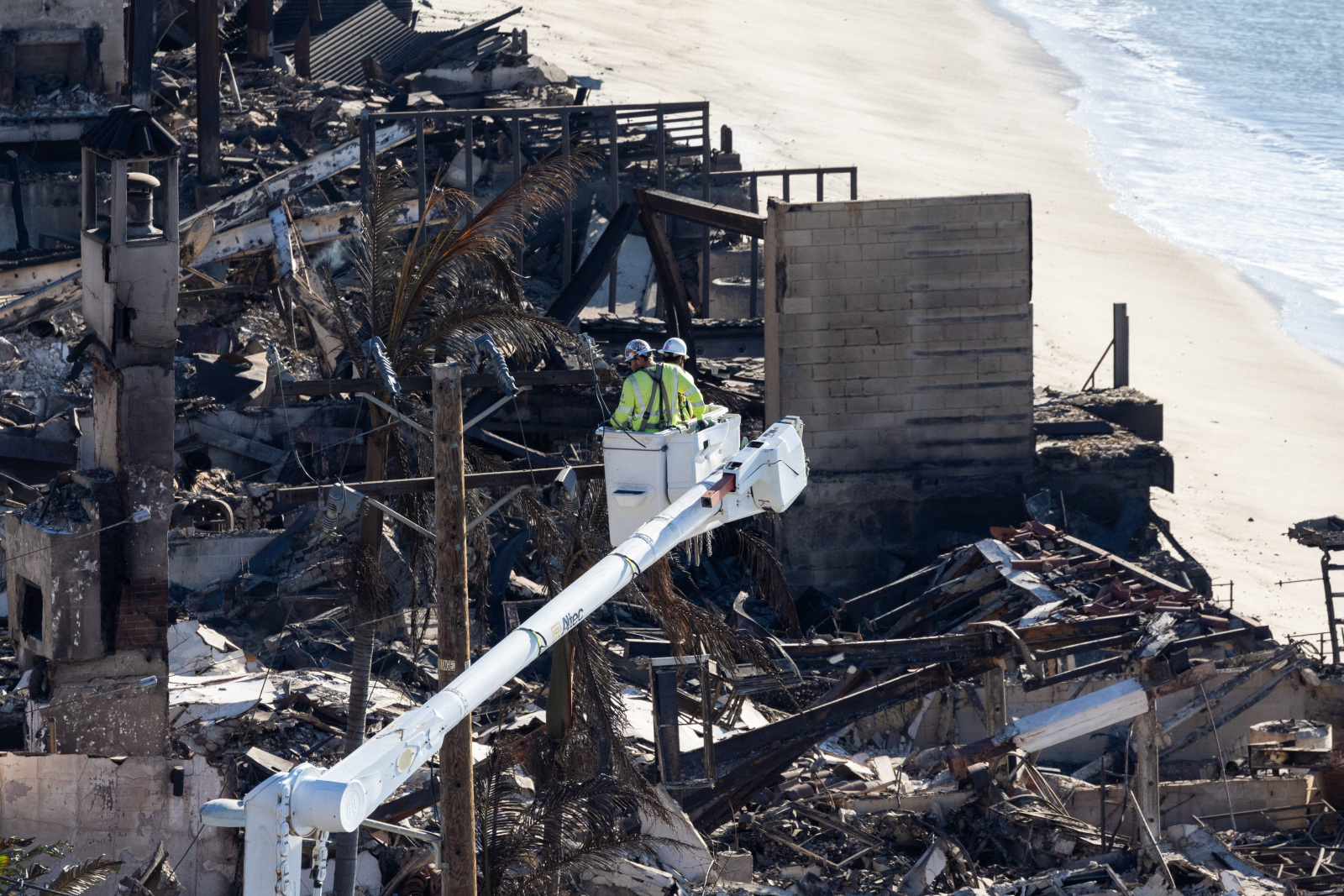
For decades, American politicians have been slow to take on climate change and curb carbon dioxide emissions, under the assumption that doing so might pass along costs to their voters. Ironically, their failure to rein in fossil fuel emissions has yielded the same result: Expenses for everyday Americans have soared as a result of more extreme flooding, fires, and heat. “What’s striking is that already, households are bearing serious costs,” said Kimberly Clausing, a law professor at the University of California, Los Angeles. She co-authored a paper from earlier this year finding that families were paying between $400 and $900 more each year because of the effects of climate change, with the costs above $1,300 in the 10 percent hardest-hit counties, many of them found in Florida, Louisiana, Nebraska, Colorado, and California. On Wednesday, the Commerce Department reported that the annual inflation rate reached 4.2 percent in May, the highest rate in three years. Though the war in Iran is mostly responsible for this recent increase, a surprising number of Americans are attributing the general economic pinch they’re feeling to the changing climate. Two-thirds of U.S. voters agree that global warming is affecting the cost of living to some degree, according to new survey data from the Yale Program on Climate Change Communication, including most Democrats and moderate Republicans. Of those two-thirds, a majority of them said that climate change was driving up what they pay for groceries, utility bills, and home insurance. Rising energy prices were at the top of people’s lists, a concern that some climate advocates are tapping into ahead of the midterm elections this November. On Monday, the LCV Victory Fund, a political action committee, announced that it will target “energy bill voters” with messages about how clean, affordable energy can trim their monthly expenses, and how Republicans have held back renewable power. That follows successes for Democrats in the of