Americans Once Understood Birthright Citizenship
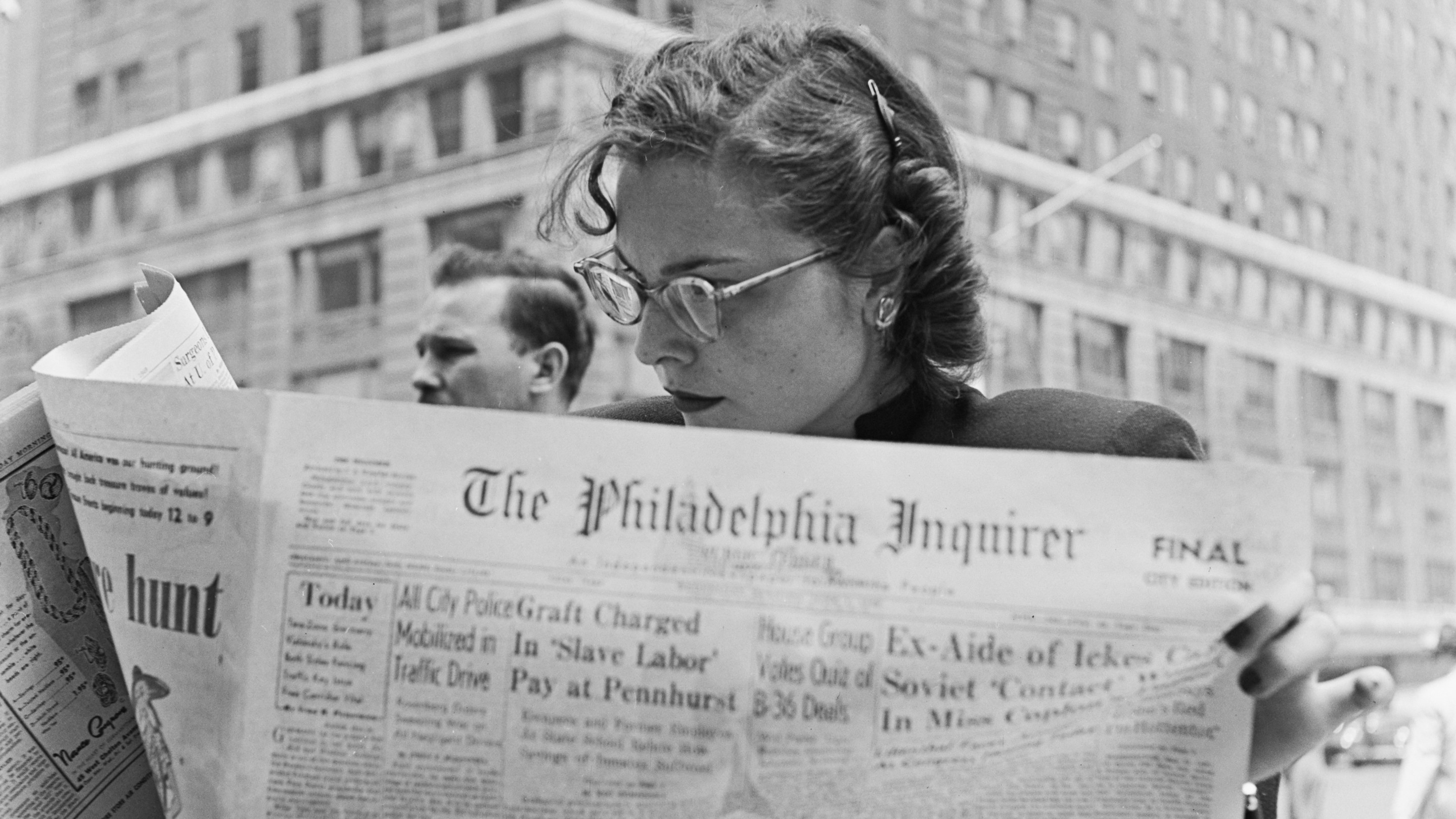
If you will give me this information I will be greatly obliged to you.” Below his query, the editors responded, “According to the constitution of the United States all children born in the United States are citizens thereof regardless of the nationality of their parents, and as such are entitled to the rights and privileges of American citizens.”This letter was, in many ways, typical. In the century after the passage of the Fourteenth Amendment, many people across the United States sent similar questions to their local newspaper about the citizenship status of children born to immigrants. The Buffalo News had answered a comparable question before. In 1894, a reader known only as W.F.S. had another such query replied to in the paper’s Answers in Brief section: “Children born in the United States are citizens by right, no matter of what nationality their parents were.”With birthright citizenship on the Supreme Court docket in the case Trump v. Barbara, the largely unexplored history of popular discourse on this topic is especially—if perhaps surprisingly—relevant. The focus in legal arguments has been around the original meaning of the Fourteenth Amendment. Although constitutional experts and other scholars have relied on the amendment’s legal history to show that birthright citizenship has been the law without exception for well more than a century, newspaper archives offer another useful trove of evidence. These archives reveal that the Trump administration is not challenging some “woke” legal interpretation, but a settled consensus that has been reinforced across American law and culture, including through the quotidian mechanism of the popular newspaper, since the late 19th century.Newspapers in the era before the internet