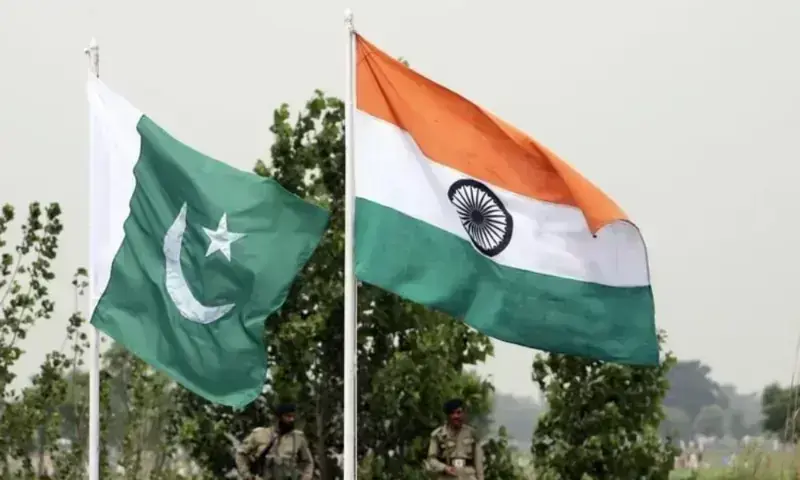
Analysis: No war, but no peace either
Why this matters: local context for readers following news across Pakistan and the region.
While neither India nor Pakistan got what they expected from the flare-up of 2025, very few could have predicted that less than a year later, it would be Pakistan that emerged as the diplomatic lynchpin in the region, while India remained relegated to the side-lines. Today, the relationship between the two neighbours remains frozen in an unusually rigid state; there is no war, but there is no diplomacy worth the name, either. The border is shut, trade is suspended and the Indus Waters Treaty remains unilaterally held in abeyance by New Delhi. Military hotlines between the two countries are functioning, but they are emergency mechanisms rather than channels of engagement. The resulting situation is not that of stability in the conventional sense, but a colder equilibrium sustained by deterrence, mistrust and the absence of political alternatives. At the time the US facilitated ceasefire was announced, there was an understanding — at least according to US Secretary of State Marco Rubio’s announcement — that military de-escalation would be followed by talks at a neutral venue. The US role for crisis management had been unusually visible and President Donald Trump publicly claimed credit for helping secure the ceasefire. So, there was a strong hope for a structured engagement between the two sides when the conflict ended. But that process never materialised; India quickly rejected any suggestion of external mediation and insisted that the ceasefire understanding emerged through direct communication at the level of the two directors general of military operations. It did