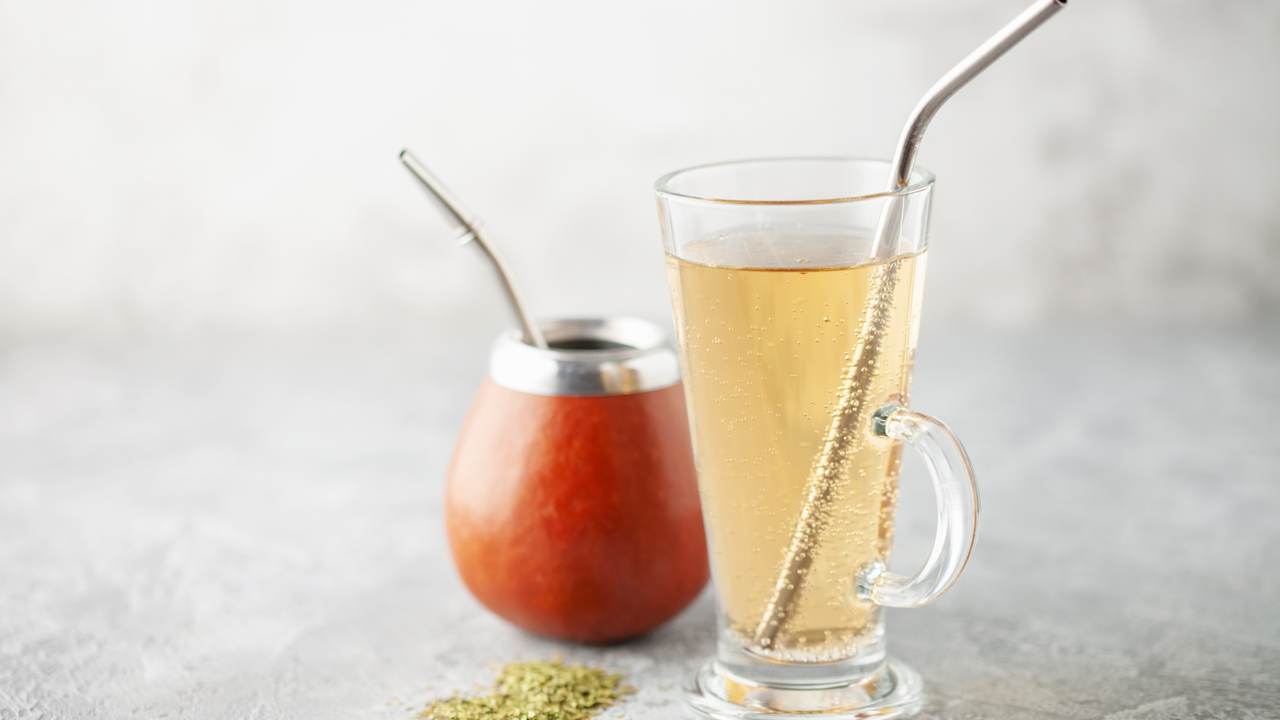
The World Cup will put yerba mate on the map
The World Cup has a way of turning local rituals into global demand almost overnight. We’ve seen it happen with beer, coffee, and tequila. In 2026, it may happen with yerba mate. Are the systems behind these traditions ready for what results from that visibility? Events like the World Cup move culture, but they also accelerate consumption and ecological pressure. The 2026 tournament will be the largest in FIFA history. One peer-reviewed analysis projects it could generate nearly double the carbon footprint of any World Cup in the past decade. When traditions rooted in land, culture, and biodiversity suddenly go worldwide, we become responsible for protecting the ecosystems and communities that sustain them. Mezcal producers spent a decade trying to thread this needle. Global recognition brought opportunity and pressure at the same time. In some regions, wild agave is being harvested faster than it can regenerate. Growth like that doesn’t distribute evenly. It concentrates on land, on water, and on the communities closest to both. The World Cup compresses that timeline into a single summer. THE CATEGORY I KNOW BEST Yerba mate is a naturally caffeinated plant first cultivated by the Indigenous Guaraní people of South America. It is traditionally brewed in a gourd, passed around a circle. Across Argentina, Paraguay, Uruguay, and Brazil, mate is embedded in daily life, just as coffee is here in the United States. Yerba mate only grows in one ecosystem: the Atlantic Forest, one of the most biodiverse places on Earth, with 88% of its original canopy already gone. That’s not a coincidence; it’s the cost of centuries of demand without accountability. I grew up on a farm in Wisconsin and watched conventional agriculture take a toll on both the land and my family. I came to this work already knowing what it costs when the relationship between land, product, and community breaks: when mate gets stripped of its context, grown as a monoculture, and sold without