Mercosur turns to Asia with Japan talks as the EU quota split stays unresolved
Key takeaways
- The opening toward Japan, a market of about 120 million people, was presented as the bloc's main bet following the provisional entry into force of the agreement with the EU.
- Internally, the summit failed to unblock the distribution of the preferential quotas granted by Brussels.
- The summit was marked by the absence of Argentine President Javier Milei, replaced by his foreign minister, Pablo Quirno.
Why this matters: an international story with cross-border implications worth tracking.
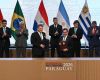
Mercosur on Tuesday announced the start of trade negotiations with Japan and reaffirmed its intention to diversify alliances toward Asia during its biannual summit in Asunci n, where Paraguay handed over the bloc's pro tempore presidency to Uruguay. The meeting, however, closed without an agreement on the internal distribution of export quotas under the treaty with the European Union, and again exposed the differences between Argentina and Brazil over the bloc's direction.
The opening toward Japan, a market of about 120 million people, was presented as the bloc's main bet following the provisional entry into force of the agreement with the EU. The parties had already held two technical meetings in January and March, and the decisive push came from a meeting between Brazil's President Luiz In cio Lula da Silva and Japanese Prime Minister Sanae Takaichi during June's G7 summit. Lula said the bloc would also seek to negotiate with China and is advancing deals with Canada, Vietnam, India and the United Arab Emirates.
Internally, the summit failed to unblock the distribution of the preferential quotas granted by Brussels. Host President Santiago Pe a lamented the bitter taste of the agreement's initial implementation and reiterated Paraguay's demand for 25% of the quotas, stressing that its landlocked status imposes higher logistical costs. It is not a whim, it is a matter of justice, he said. With no agreement in place, the first tariff-free exports of products such as eggs, rice and honey were assigned on a first-come, first-served basis.