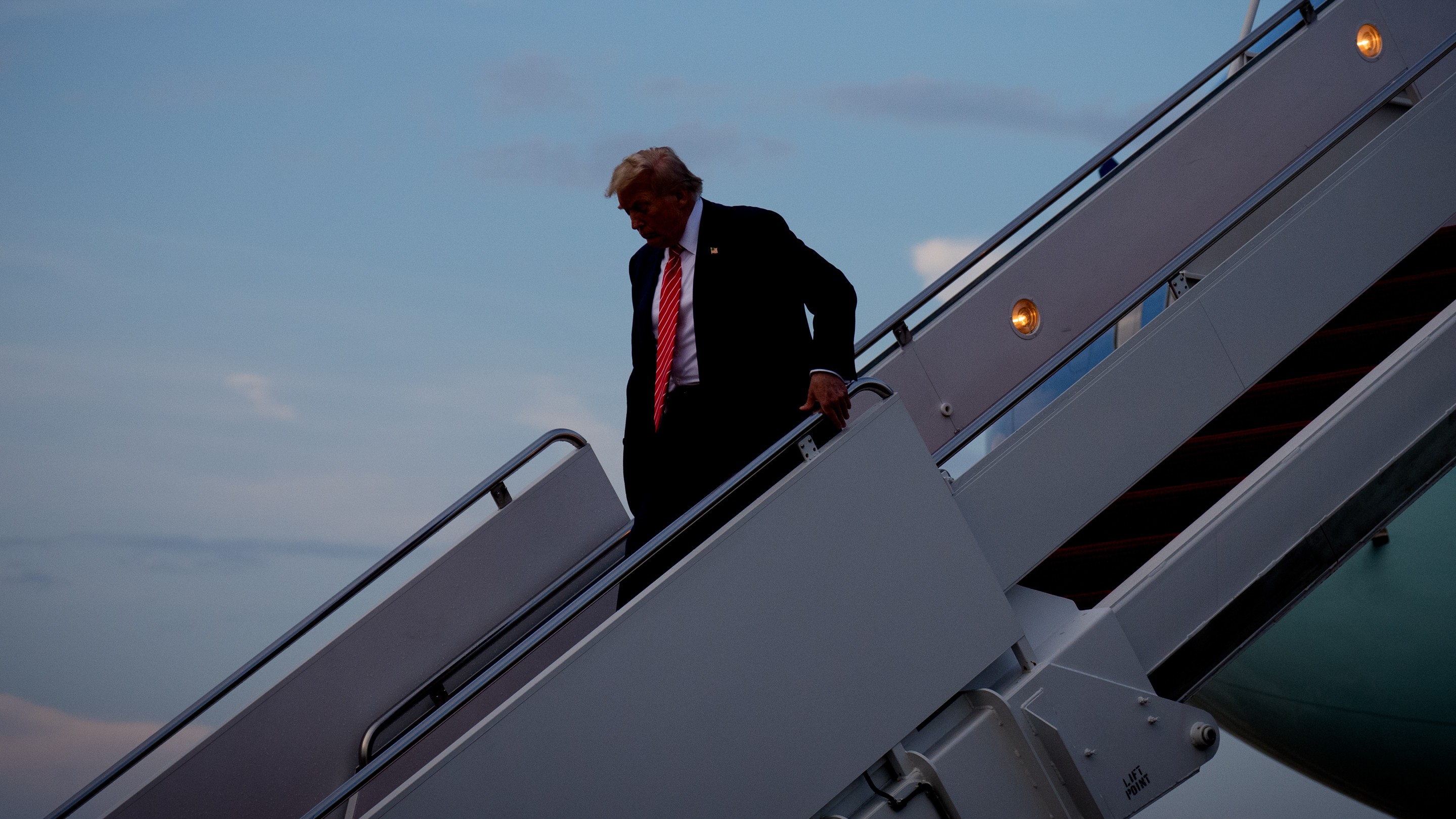
The Paradox of Trump’s Strength
This is an edition of The Atlantic Daily, a newsletter that guides you through the biggest stories of the day, helps you discover new ideas, and recommends the best in culture. Sign up for it here.Is Donald Trump strong or weak right now?Usually, telling whether a president is up or down isn’t difficult, but the past few weeks have offered reasons to believe both.Last night, Representative Thomas Massie, a Kentucky Republican who has been publicly critical of Trump’s policies throughout his second term, lost a primary to Ed Gallrein, a candidate recruited and backed by Trump. The president’s attempt to turn that race into a referendum on himself seems to have worked: Massie, who’s just as idiosyncratic now as he was when the voters of his district elected him to the first of seven terms, ended up about 10 points behind Gallrein.This flex was the latest in a string. On Saturday, Senator Bill Cassidy of Louisiana, whom neither Trump nor voters ever forgave for his vote to convict Trump in his 2021 impeachment trial, came third in a Republican primary. And earlier in May, several Republican state legislators in Indiana who had opposed Trump’s gerrymandering push lost primaries to Trump-backed challengers, fulfilling a vow of revenge from the White House.A common thread in commentary on these races is that they demonstrate Trump’s enduring grip on power. Marjorie Taylor Greene’s break with Trump wasn’t a sign of fractures in the MAGA movement, the thinking goes; the real story was his ability to completely exile Greene, who has always been a singular character anyway, and who now has more entrée into anti-Trump spaces than MAGA outlets. “This is @realDonaldTrump’s Republican Party. The rest of us get the privilege of living in it,” the proudly submissive Representative Randy Fine of Florida declared last night.Yet Trump’s standing seems to also be deteriorating. This week, a New York Times/Siena poll found the president at 37 percent approval, his lowest in the poll eve