East Africa wants to curb imports of used clothes. But it's not easy
Key takeaways
- Sections of the site were waterlogged on the day the BBC visited, yet shoppers, some wearing rubber boots, still inched their way through the congested pathways, hunting for Gikomba's speciality - second-hand clothing.
- The trade in garments imported from the US, Europe and China poses a perennial problem for the East African Community (EAC), a regional bloc of which Kenya is a member.
- "We're competing with second-hand clothing, but we can't compete on price," Zia Bett, founder of Kenyan womenswear brand Zia Africa, tells the BBC.
Why this matters: a developing story that could shape the day's news cycle.
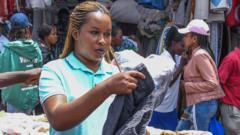
Wedaeli Chibelushi Anadolu via Getty Images Gikomba in Nairobi is just one of many huge markets dedicated to worn clothing in East Africa Not even heavy rain can keep shoppers away from Gikomba, a lively Kenyan market that stands as the largest open-air trading hub in East Africa.
Sections of the site were waterlogged on the day the BBC visited, yet shoppers, some wearing rubber boots, still inched their way through the congested pathways, hunting for Gikomba's speciality - second-hand clothing.
The trade in garments imported from the US, Europe and China poses a perennial problem for the East African Community (EAC), a regional bloc of which Kenya is a member. How can the region build a thriving fashion industry when it is saturated with cheap cast-offs?