A Simple Sugar in Ultra-Processed Foods May Drive Obesity, Metabolic Disease
Why this matters: health reporting relevant to everyday decisions and well-being.
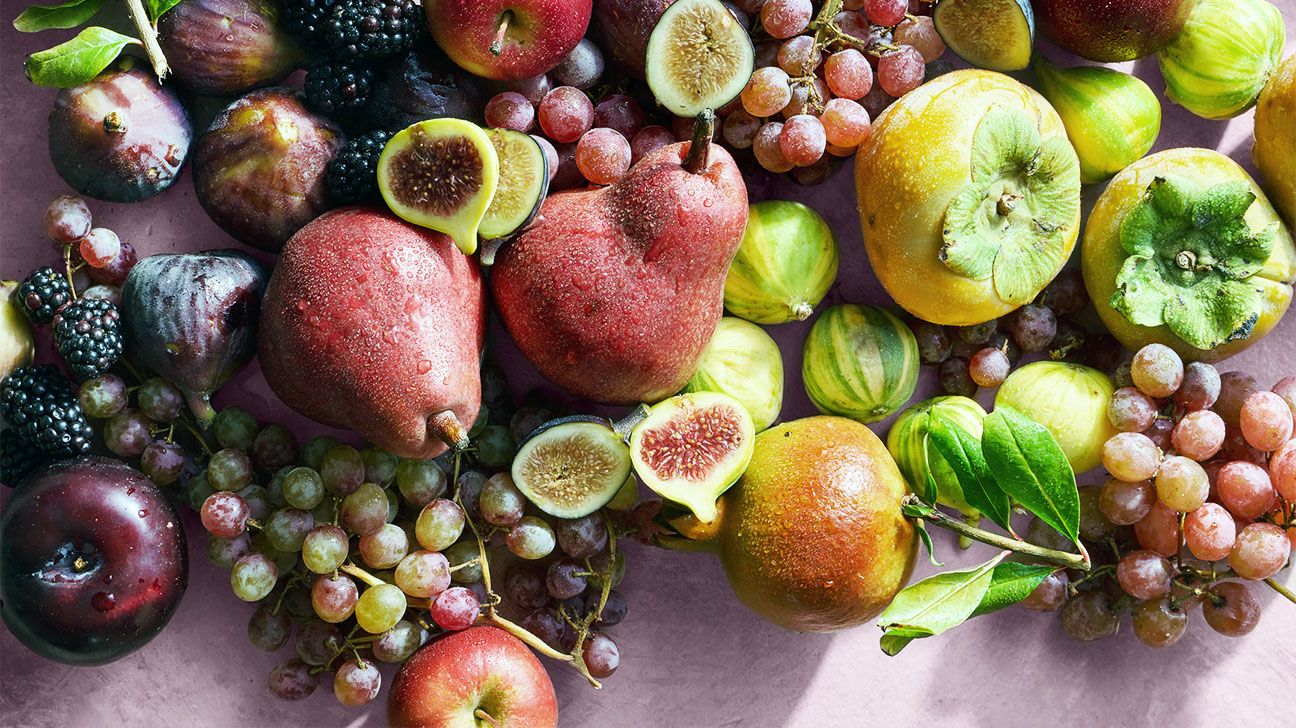
Research shows that fructose, especially in ultra-processed foods, may increase the risk of metabolic diseases. Image Credit: Ivan Solis/Stocksy. A recent study has shown that fructose plays a role in driving disease. The research shows that the effects fructose can have on the body may be associated with metabolic syndrome. Understanding the effects of fructose on the body may help develop new strategies to prevent and treat metabolic diseases. Fructose is a simple sugar that is found both naturally, in honey and fruits, and in sweeteners like high-fructose corn syrup and sucrose (table sugar). A recent review published in Nature Metabolism highlights the role fructose plays in driving disease. This is separate from its role as a source of calories. Consumption of fructose has grown significantly over the past few centuries, driven by the increased use of sweeteners in the average diet. Fructose can be problematic because it has twice the sweetness of glucose. This may lead to increased cravings for more fructose-containing foods and drinks. “Fructose found in these processed forms is not handled the same way as regular blood sugar,” said Michelle Routhenstein, preventive cardiology dietitian at EntirelyNourished, who wasn’t involved in the study. “When it is consumed, it goes to the liver, where it easily turns into fat, which can build up in the liver and around the organs and contribute to conditions like fatty liver and metabolic syndrome,” she told Healthline. Effects of fructose on metabolic health Unlike glucose, fructose has unique metabolic effects. These effects may help contribute to obesity and related conditions. “The emerging body of research suggests that fructose is not metabolically identical to all other carbohydrates, especially when it is consumed in excess through sugar-sweetened beverages and ultra-processed foods,” said Serena Poon, certified nutritionist & longevity wellness advisor. Poon wasn’t involved in the study.