Ukraine Is Not Losing. Russia Is Not Winning.
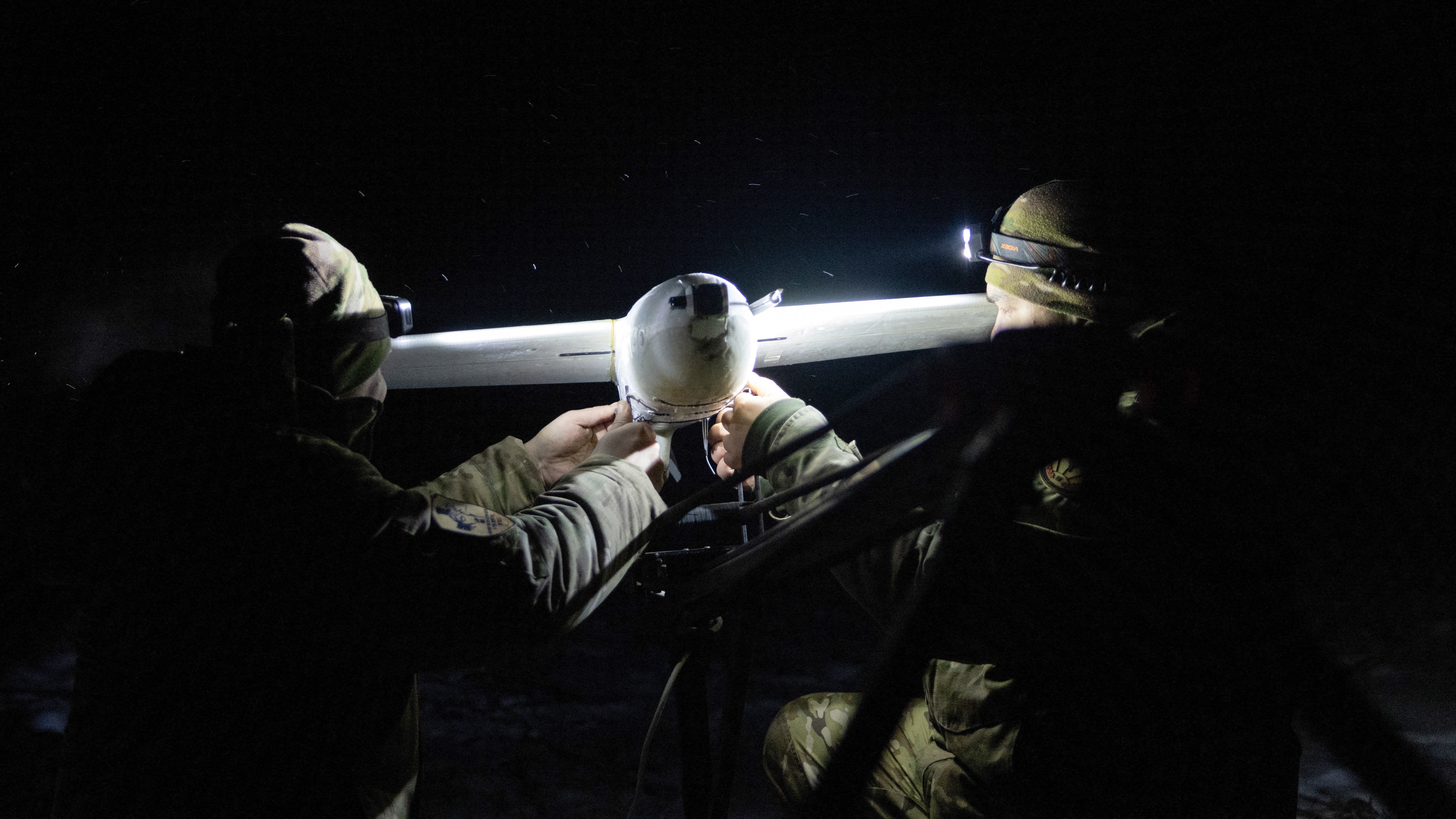
In a field outside of Kyiv last weekend, a van was parked discreetly behind some trees. Inside the van there were no passenger seats, just a long desk, two office chairs, two laptops, extra screens. Outside appearances to the contrary, this was a mobile drone-interceptor base, one of hundreds of similar vehicles now scattered around Ukraine. It’s also part of something much bigger: a set of technological advances that have changed the war with Russia, and maybe all wars, forever.On one of the laptops, a soldier showed me a bird’s-eye view of a part of the Ukrainian countryside more than 100 miles away. His job is to identify the objects flying above it, to distinguish birds and bats from lethal Russian drones. When he sees the latter, the soldier on the laptop beside him can then direct an interceptor—a small drone that looks like a miniature rocket ship—to track and destroy the incoming Russian aerial vehicles before they hit their targets.At first glance, the images on the screens look simple, like a video game. But this is not a low-tech operation. The AI-powered drone interceptors are made possible by a complicated network of radar systems, acoustic sensors, and other tools that hundreds of large and small Ukrainian tech companies are creating and updating every day, using data they get directly from soldiers like the ones I met. Almost none of these companies existed four years ago. They have emerged from a tech-literate civil society whose members changed their professions or their focus to help defend their country. I have met Ukrainian defense-company CEOs who come from financial services, architecture, politics. I met another one last weekend who had returned just that day from the front line. He told me he finds it useful to learn how soldiers are using his products, and how they might be improved.[Phillips Payson O’Brien: Putin can no longer hide his catastrophe]Other kinds of teams across the country are connected to this constantly improving information