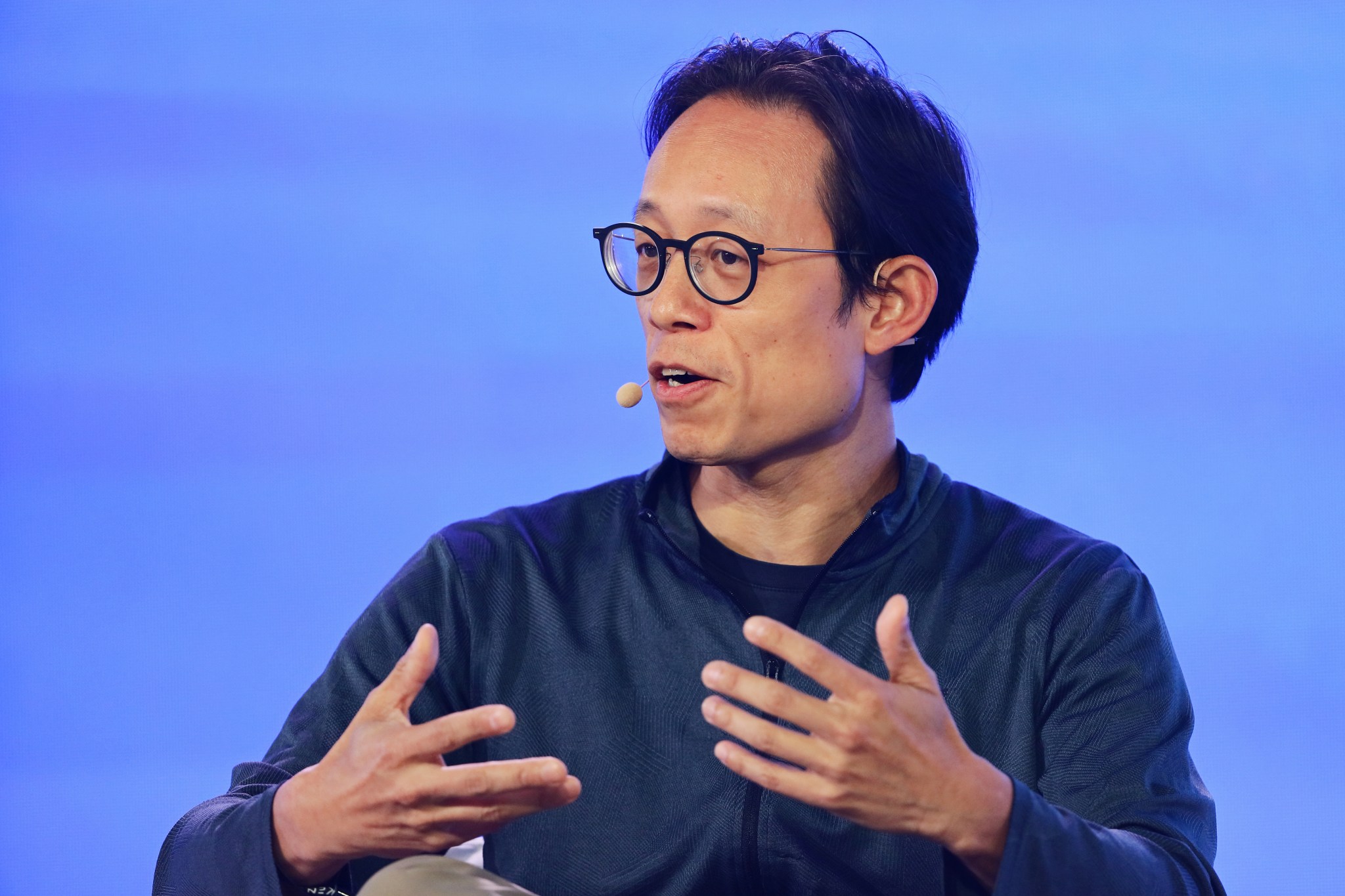
Animoca Brands cofounder Yat Siu argues Asia will fuse AI and the blockchain before the West does
As the West is increasingly polarized between “capitalism and anti-capitalism,” Animoca Brands cofounder Yat Siu thinks Asia can lead the way in pioneering the next wave of AI and cryptocurrency innovations. “Based on my experiences in crypto communities in Europe and the U.S., people are creating a gap between crypto and AI and saying that they shouldn’t be related,” Siu told Fortune on the sidelines of the Super AI summit in Singapore. “In Asia, we don’t have this problem since we’re much more comfortable with money.” Siu cofounded Animoca Brands in 2014. It originally focused on developing free-to-play mobile games before shifting to blockchain gaming and NFTs in 2018. The firm is also a frequent investor in the Web3 space, backing more than 600 AI and blockchain companies including China-based investment platform GROW Digital Wealth and AWARP, parent company of the Laos National Digital Technology Group. Investor interest in cryptocurrencies has waned. Shares in crypto-related companies have plunged by double-digit percentages over the past 12 months, while AI-related stocks are booming. Crypto-focused venture capital firms, like Paradigm, are also expanding into AI and robotics investments. But Siu argues AI and the blockchain are tightly connected. “To truly empower AI, you need to give it access to money so it can transact autonomously on your behalf… and the technology that can enable this safely, securely and at scale is blockchain,” he said. Payment giants like Visa, Mastercard and Stripe are both starting to allow payments in stablecoins and establishing systems to let AI agents discover and purchase goods on behalf of users. Exchanges like Coinbase have made it easier for AI agents to conduct transactions with cryptocurrencies. Global consumers have been slow to adopt stablecoins compared to traditional methods of payment. Just $7 billion of annual settlements on Visa’s platform are made in cryptocurrencies, compared to $14 trillion overall. Siu believes