Wall Street thinks memory is AI’s golden ticket. Harvard’s chip expert warns: ‘Curves that just go to the sky with no end…never continue forever’
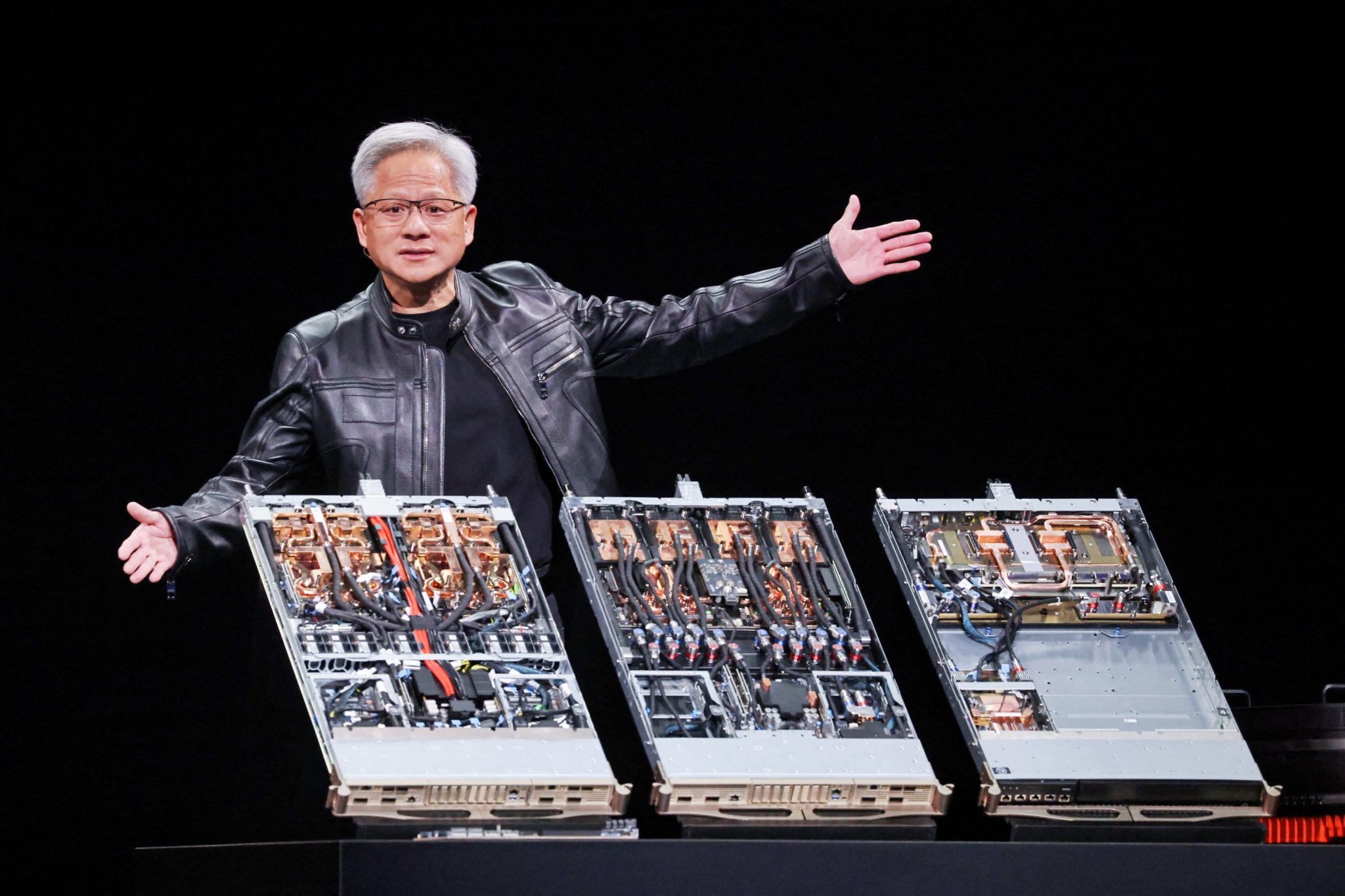
Memory chips have become the most valuable commodity in the AI economy. The Philadelphia Stock Exchange Semiconductor Index has leaped 60% in six weeks, and Micron—a memory chipmaker—surged 38% last week alone, its best week since 2008. Retail traders have caught on and piled into the rally at the highest level in a year that same week, per JPMorgan. But Willy Shih is not so sure. The Harvard Business School professor, who has tracked semiconductor cycles since the 1980s, told Fortune the AI memory boom looks like every other memory cycle he has watched—just bigger. “Anytime people show me these curves that just go to the sky with no end, that never continues forever,” he said. “This too will pass.” What memory is, and why it’s suddenly worth so much Every “computer”—your laptop, phone, Switch 2, or AI server—needs memory. It is part of the computing system that holds the data and instructions programmed into it while another function is running; without it, processors have nothing to work on. Memory comes in a few different flavors. DRAM, or dynamic random access memory, is the standard chip that’s used for consumer devices like the phones. But recently, companies have demanded a high-bandwidth memory chip, or HBM, used inside AI accelerators like Nvidia’s GPUs. They’re needed because AI workloads are memory-hungry in a way ordinary computing is not: a single AI server requires roughly eight to 10 times the DRAM of a traditional server, and far more high-bandwidth memory than any consumer device. For decades, memory was the cheapest thing about a computer to upgrade. It got better and cheaper every year, on a trend that looks something like Moore’s Law—Gordon Moore’s 1965 observation that the number of transistors on a chip would roughly double every two years. Memory followed its own version of that curve; more capacity for the same money, year after year, even with boom-bust cycles. “Historically, it has alway