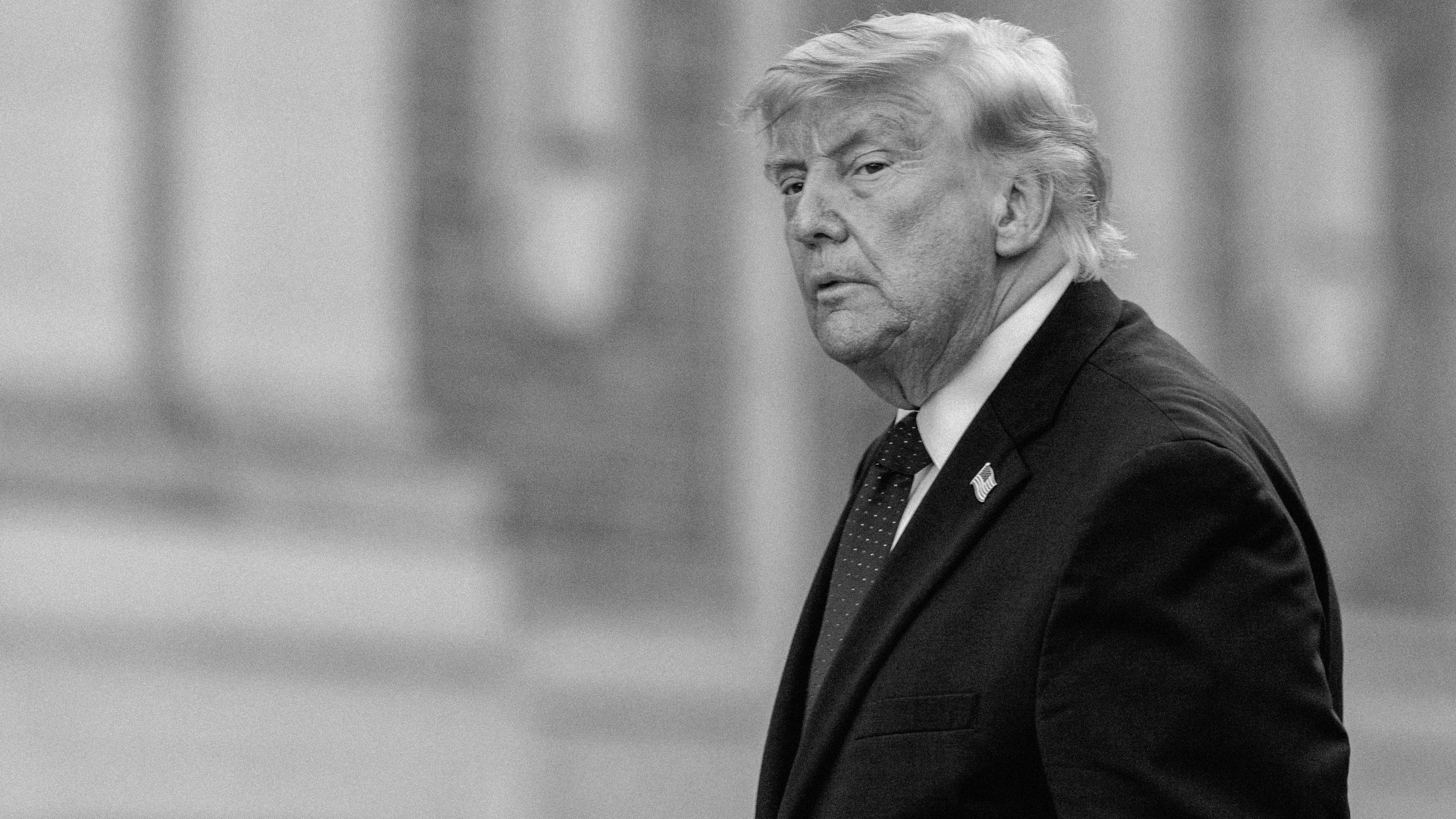
Trump’s Second Gamble on Iran
Donald Trump’s war against Iran began with one gamble and ended with another. Initially, the president bet that he could stop Iran’s nuclear ambitions by bombing Iran’s revolutionary regime out of existence. So he spent tens of billions of dollars, and upended the global economy, only to sign a memorandum of understanding undoubtedly weaker than any deal he could have struck before the war. Embedded in this document is a new gamble: that if Iran’s revolutionaries can’t be dislodged by force, they might instead be bribed to abandon their identity.The memorandum offers a bundle of American inducements so lopsided that it reads as if Tehran wrote the plan unilaterally. Of its 14 provisions, 13 either amount to diplomatic boilerplate or heavily favor Iran on their face. Tehran will receive military and economic concessions—and de facto acknowledgment of its control over the Strait of Hormuz—in exchange for a concession that it will not develop or buy nuclear weapons. Never mind that Iran has made and ignored such promises before, and the CIA doubts its sincerity now.[Graeme Wood: Iran has humiliated Trump]The humiliation of the memorandum is doubly egregious for Trump, who withdrew from Barack Obama’s multinational agreement to limit Iran’s nuclear programs. Trump called that agreement the “worst deal ever negotiated,” but it was less costly to America, was less generous to Iran, and offered more concrete nonproliferation guarantees. Trump is paying far more for far less.He has acted like a poker player who believes his own bluffs. Trump vowed to raze Iran’s missile industry to the ground; defang its proxy militias, such as Hezbollah; unseat its regime; choose its next leader; and control the Strait of Hormuz. While none of his maximalist war goals were achieved, Trump celebrated the cease-fire, and lifting of the blockade, as if he had had no role in creating the whole mess in the first place.The Islamic Republic, one of the world's most brutal, isolated, and unpopular