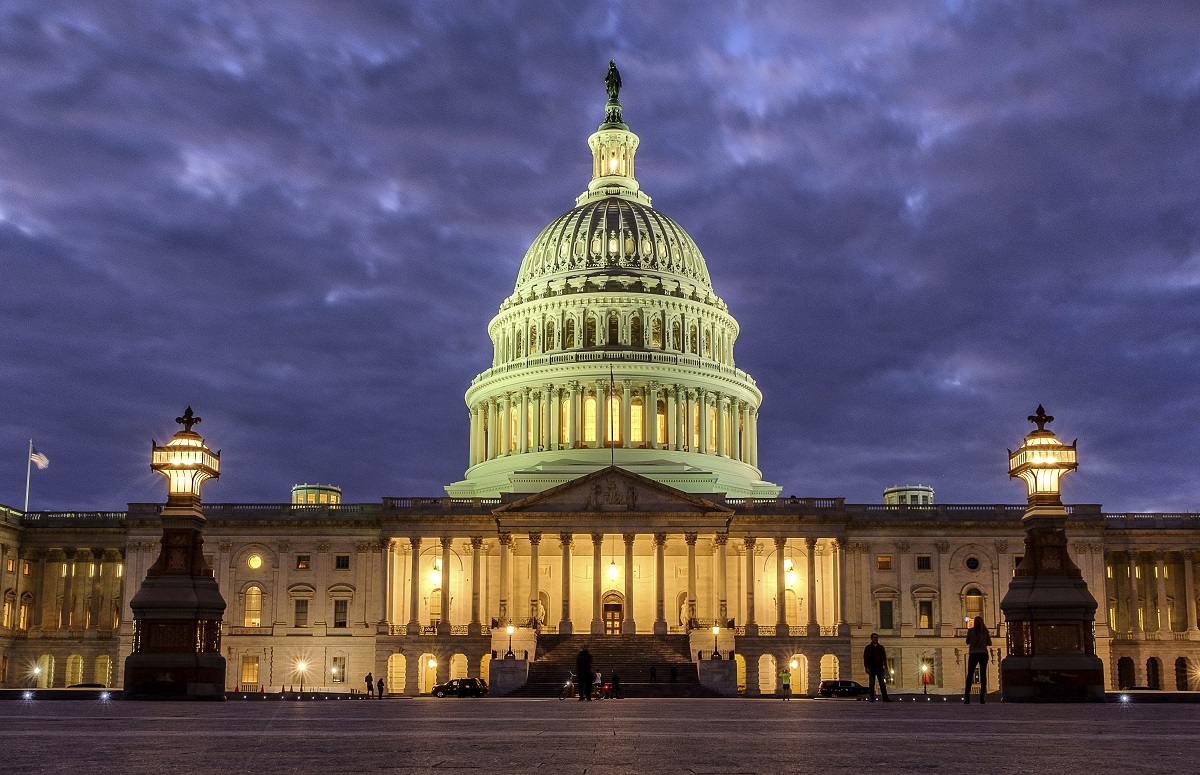
US Senate joins House in voting to halt Iran war
Why this matters: an international story with cross-border implications worth tracking.
The U.S. Senate backed legislation on Tuesday directing President Donald Trump to halt U.S. military action against Iran, the latest rebuke of the Republican president from an increasingly restive Congress.The Senate voted 50-48 in favor of the war powers resolution, which passed the House of Representatives early this month, reflecting growing concern even among some of Trump’s Republicans about the unpopular conflict that began on February 28 when the U.S. and Israel launched an attack on Iran.It was the first time both chambers of Congress had passed a resolution directing a president to remove U.S. armed forces from hostilities since the War Powers Resolution, more commonly known as the War Powers Act, was enacted in 1973. While likely to remain largely symbolic, the vote was a setback for Trump, who until recently had enjoyed near-unanimous support from Republican members of Congress.It also comes as the administration is expected to ask Congress to authorize tens of billions of dollars to pay for the war.Trump’s Republicans hold slim majorities in both the Senate and House, but a few have broken with the president on a handful of issues ahead of mid-term elections in November, which will determine whether the party will retain control of Congress.Some Republicans recently balked at Trump’s $1.8 billion “anti-weaponization” fund to compensate political allies he says have been targeted by federal authorities and stalled a $70 billion bill to fund his immigration crackdown.Reuters/Ipsos poll results released on Tuesday showed that just one in four Americans believe the war against Iran was worth its costs, and a majority worry that a truce with Tehran is unlikely to last.The Senate vote was largely along party lines, with four Republicans joining all but one Democrat in favor. Two Republican senators did not vote.In a post late on Tuesday, Trump criticized the vote, calling it “poorly timed and meaningless” and accused those who voted in favor of providing “comf