This summer, the American water crisis becomes real
Why this matters: environmental and climate reporting with long-term consequences.
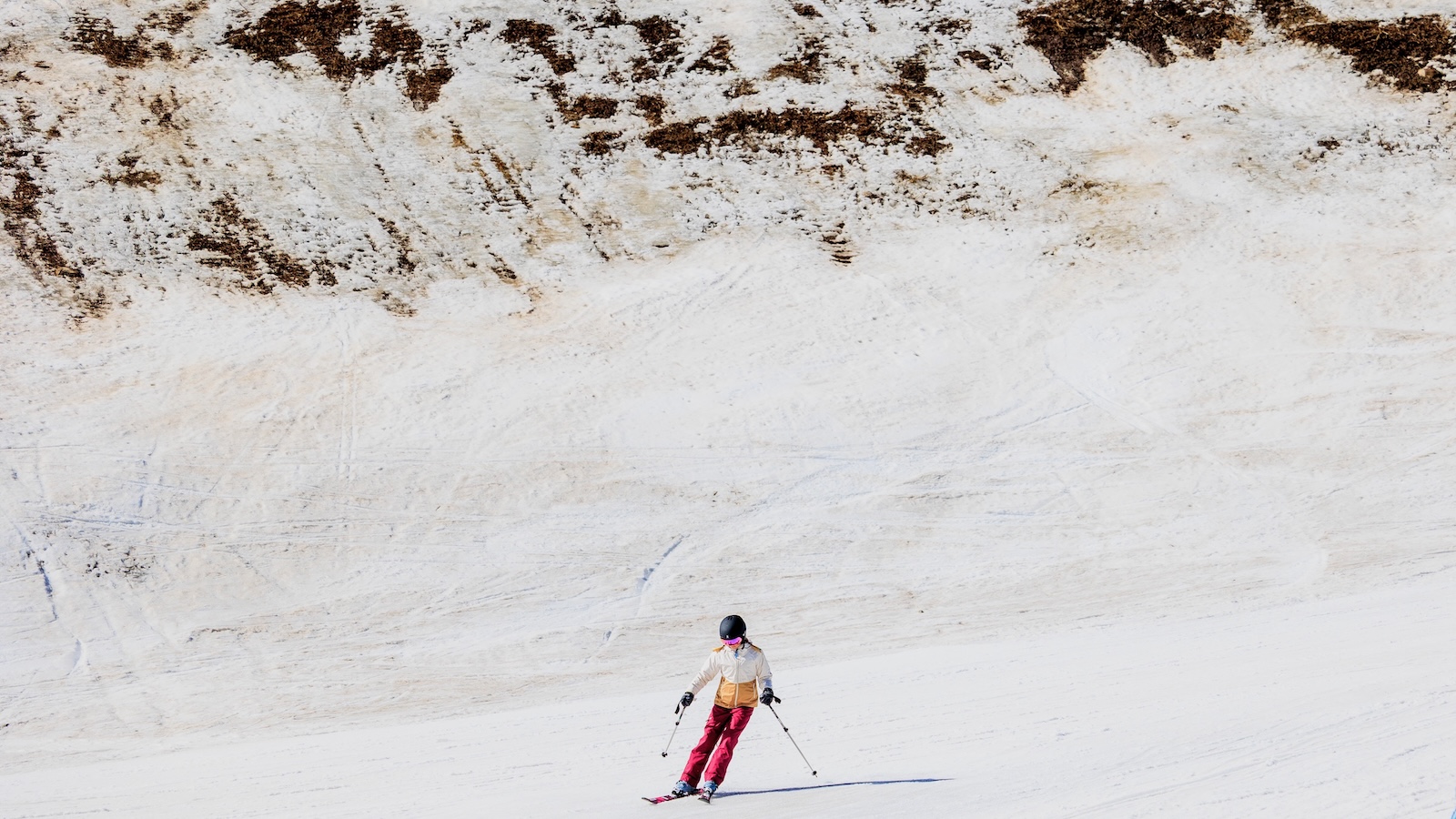
Two high-profile water crises, juiced up by climate change and industrial overuse, are building in the U.S. From a city in Texas staring down a drought emergency to a decades-long political crisis coming to a head for the states that rely on the Colorado River, water issues in the West will take center stage this summer — and experts tell WIRED that other places should take notes and start planning ahead for their own future. In February, following a winter of record-breaking heat, snowpack in various mountain ranges across the American West reached record lows. March came in even hotter, smashing records in states across the region. “What happened in March was unprecedented and stunning and disturbing and out of this world, frankly — we had temperatures the likes of which we have never seen and couldn’t have happened without human-caused climate change,” said Brad Udall, a senior water and climate researcher at Colorado State University’s Colorado Water Center. “We had a crummy snowpack that went from crummy to god-awful in three weeks.” This snowmelt crisis is having dire impacts on the Colorado River, one of the most crucial water sources in the West, which provides water for 40 million people across seven states. River flow in some areas on the Colorado had slowed to a trickle last week, thanks to the early snowmelt this year. Read Next The West’s unprecedented winter could fuel a summer of disaster Tik Root The Colorado River isn’t just a crucial water supply: It also provides power for more than 25 million people through dams at Lake Powell and Lake Mead, the two largest reservoirs in the country. Low water levels in those reservoirs spell trouble for electricity generation. As of Tuesday morning, Lake Mead was sitting at just 17 feet above its record low level, set in July of 2022. This record dry season is also colliding with a decades-long political crisis on the Colorado River. For years, the states drawing water from the river have sparred over how