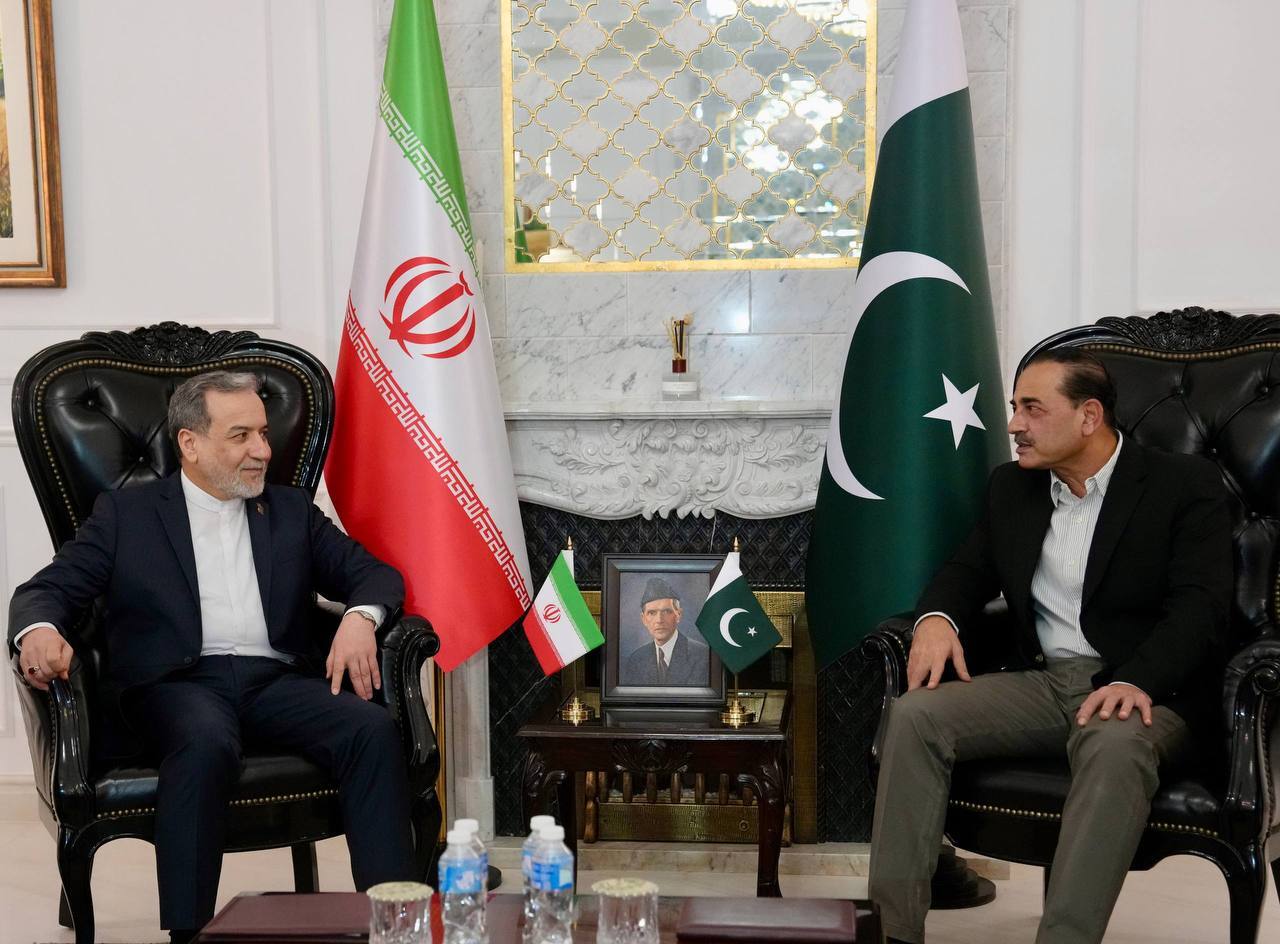
Asia is being hammered by the Iran conflict’s economic fallout. The U.S. has the playbook to help—and every reason to
As countries around the world confront the economic fallout from the Iran conflict, Asian economies have been particularly hard hit. Energy prices have skyrocketed, economic growth forecasts have been slashed, food insecurity is back in the spotlight, and access to critical chemicals, aluminum and other products has been curtailed. In response, Asia has been busy implementing a range of measures, from restricting energy use to introducing fuel subsidies, re-starting coal plants, and imposing export restrictions. While the crisis looms large over Asia, the U.S. trade agenda appears to move forward unabated. Adapting U.S. trade asks to reflect the pressures partners are facing — and offering financial support or other cooperation — would build meaningful goodwill in a region Washington cannot afford to lose. With more than 80% of the oil and gas usually passing through the Strait of Hormuz bound for Asia, the region’s energy vulnerability is stark. Energy prices in Asia have risen by almost 70% in some places since the start of the war, forcing countries like Cambodia and Vietnam to ration energy and introduce fuel subsidies. Pakistan and Bangladesh have closed schools, and, across Southeast Asia, officials are working from home and curtailing travel. For tourism-dependent economies like Thailand and Vietnam, surging jet fuel costs and airline service cuts are compounding the damage. In addition, the current situation has prompted several countries in Asia to accelerate their shift to green technologies, which China is well positioned to benefit from given its dominance in this area. Fertilizer supply has also been impacted by the crisis, as one third of global fertilizer supply comes through the Strait of Hormuz. Compounding this, China, another major supplier, has imposed export restrictions. Shortages now threaten countries across South and Southeast Asia, where agriculture employs a large share of the workforce — raising food security risks for economies alr