Winners of the Manifund Essay Prize
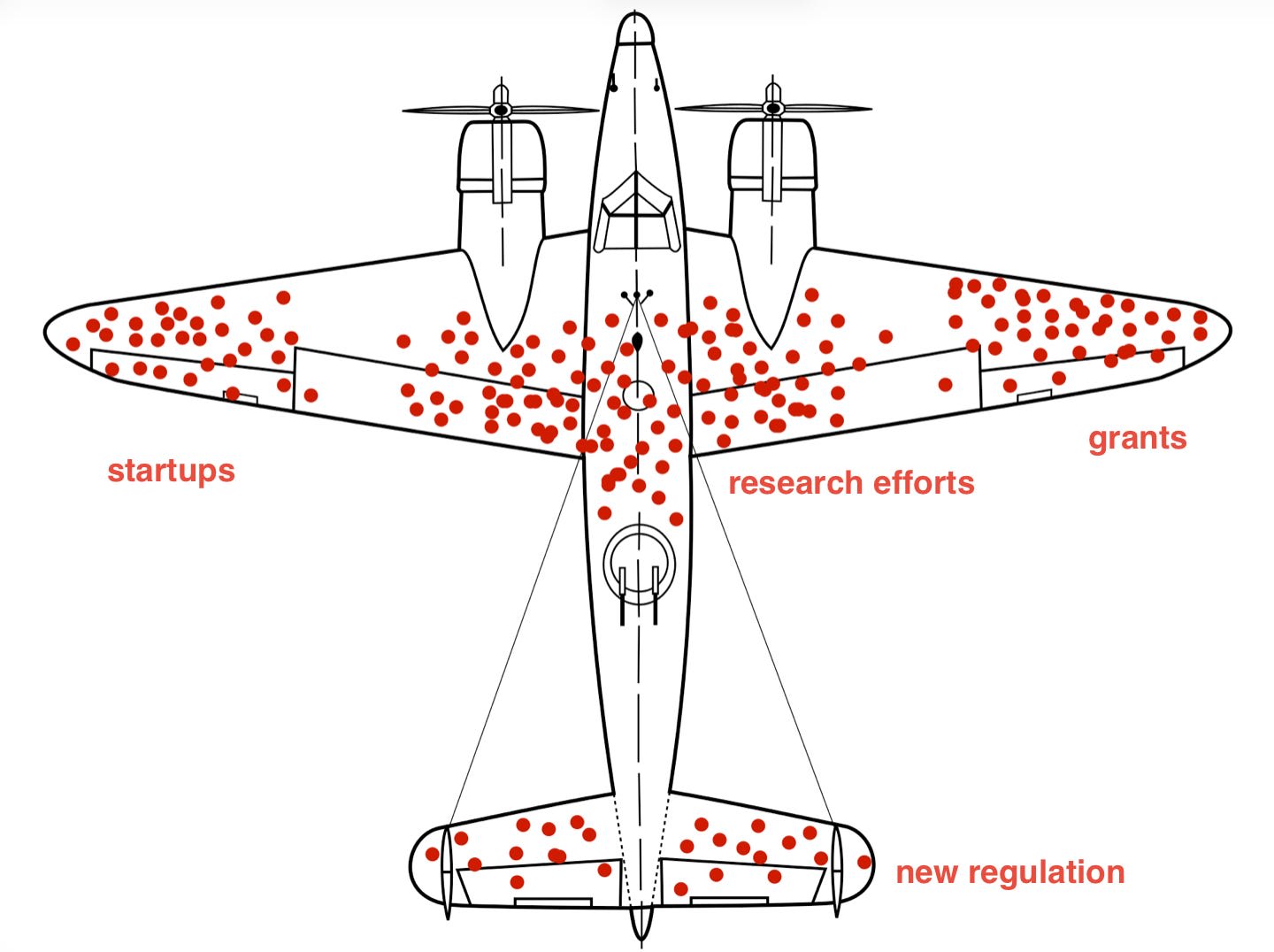
Twelve essays we liked on EA funding, SF fieldbuilding, and decision-relevant forecasting So, when we launched the Manifund Essay Prize, I was looking for a winner for each of three categories. Unfortunately, I liked the submissions too much to choose just three, so here are 12 winners:The Manifund category: “What systems might manage the coming torrent of funding?”Topic: Funding in EA may soon skyrocket. Between Anthropic & Open AI tenders, the new Open AI foundation, and short timelines to AGI, the amount of money available will be unprecedented. What mechanisms, incentive structures, orgs, and attitudes will help direct this windfall wisely?First place: Your Solution Doesn’t Know Your Problem Exists, by Evan MiyazonoEvan’s post provides a bunch of good pointers and ways of thinking about how to build a field, backed by his own experiences. His writeup is full of juicy tidbits, like:I worry that we, as decision-makers within organizations, are falling under the law of the instrument as we try to solve big problems.Here’s what I mean:VCs assume problems can be solved by startups.Policymakers think things should be new laws, new taxes, new agencies.Researchers look for research projects, because even sociotechnical problems need a proof-of-concept to derisk or illustrate capabilities.And even the philanthropically-funded and non-profit organizations like mine have to color inside the lines of the tax code and our employees’ career trajectories.…This leads to a failure mode where problems that require a solution outside or spanning different fiefdoms remain unsolved; worse still, by survivorship bias, the most important problems will be these problems that don’t fit neatly into buckets. andif you find a bottleneck – or an abandoned baby – you might not be to blame, but you should definitely consider yourself responsibleandthe part that is controversial in the SF bay area, land of “fund people not projects” – I claim that strategy and execution are two largely non-overla