The mental health crisis facing children and adolescents demands bold ideas
Why this matters: an international story with cross-border implications worth tracking.
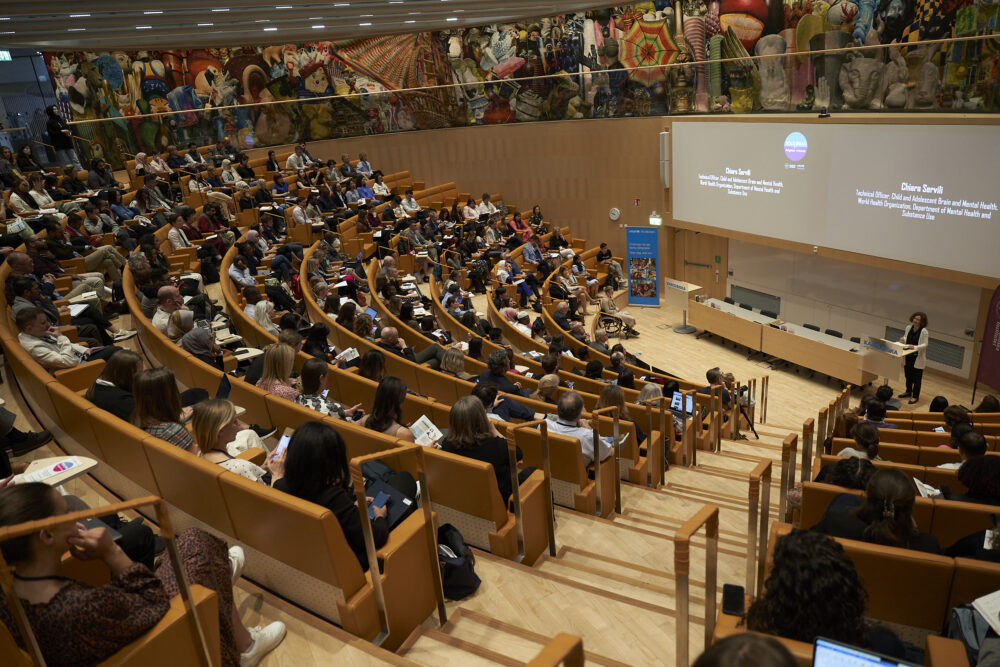
There are more than two billion children and adolescents in the world today, each with their own dreams, struggles and vision for the future. Whether those futures are realised depends, more than we often acknowledge, on their mental health. Mental health is the cornerstone of a child’s ability to learn, connect and navigate life’s challenges, and eventually to step into their full potential. Yet, as the world emerged from the Covid-19 pandemic and the mental health crisis among children and youth gained renewed attention, dedicated investment in and resourcing of mental health systems have been lacking. Our current era of financial, social, digital and political instability threatens the progress that has been made to date. As we face unprecedented and intensifying global crises, the urgency of addressing this priority has never been greater. Like any global crisis, however, it is easier to understand the implications of poor mental health at a local level. Many children and adolescents in South Africa must navigate significant and persistent risks to their mental health and well-being as they come of age. Overburdened school systems, exposure to violence, family instability and uncertainty about the future all contribute to a sense of hopelessness and unease. These factors may soon be worsened by rapidly changing digital environments. Most children in South Africa face not just one, but multiple stressors that shape how they see the world, how safe they feel and how they envision adult life. The Bold Ideas for Brighter Futures Conference, convening in Cape Town from today, 18 May, to Wednesday, 20 May, attempts to respond to the risks facing young people, but more importantly to listen to them and share possible solutions. The conference’s key themes include exploring mental health in humanitarian crises, creative approaches in schools and communities, scaling up evidence-based approaches, generating responsible data on children and adolescents and, perhaps most i