For Vance, Iran talks could shape political rise
Why this matters: local context for readers following news across Pakistan and the region.
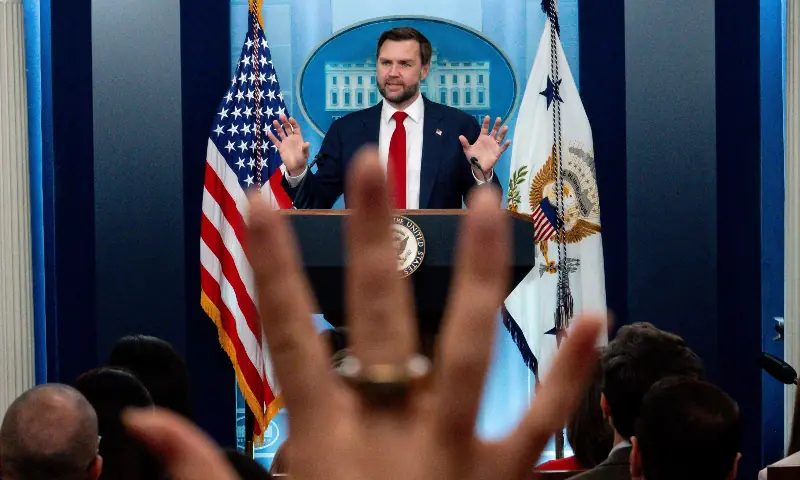
United States Vice President JD Vance is poised to take on his biggest role yet on the international stage as President Donald Trump’s chief negotiator to end the three-month war with Iran, a moment that could shape Vance’s prospects as a White House successor. The two nations agreed to a provisional peace agreement on Wednesday that suspended hostilities but left core issues unresolved, deferring decisions on Iran’s nuclear programme, its support for regional groups and the economically vital Strait of Hormuz to 60 days of talks. The discussions are a high-risk scenario for all sides in the conflict, the broader Middle East, and for Vance’s political ambitions. And the situation remains fluid: Vance cancelled a planned Thursday night flight to Switzerland for the start of talks, though the White House said the US delegation is “prepared to depart at the first available opportunity”. The fast-moving developments coincide with the publication of Vance’s book on his conversion to Catholicism, Communion, and a media tour to promote it, during which he discussed his faith while positioning himself as the Iran deal’s top booster. The campaign-style push reached a crescendo on Thursday with a White House news conference where Vance laid out US hopes for a final peace deal and offered what some observers called one of the strongest rebukes of Israel in US history, while also swatting away a question about a potential presidential run. “If the Iranians don’t change their behaviour, their military and their nuclear programme is still destroyed,” Vance said. “If they do change their behaviour, then they are going to have a transformative relationship with the Middle East, and the Middle East will have a transformative relationship with the people of Iran.” Fellow Republicans have underscored the significance of Vance’s high-profile role in the Iran deal. Senator Lindsey Graham of South Carolina, a leader in the party’s foreign policy establishment, called Vance the “ar