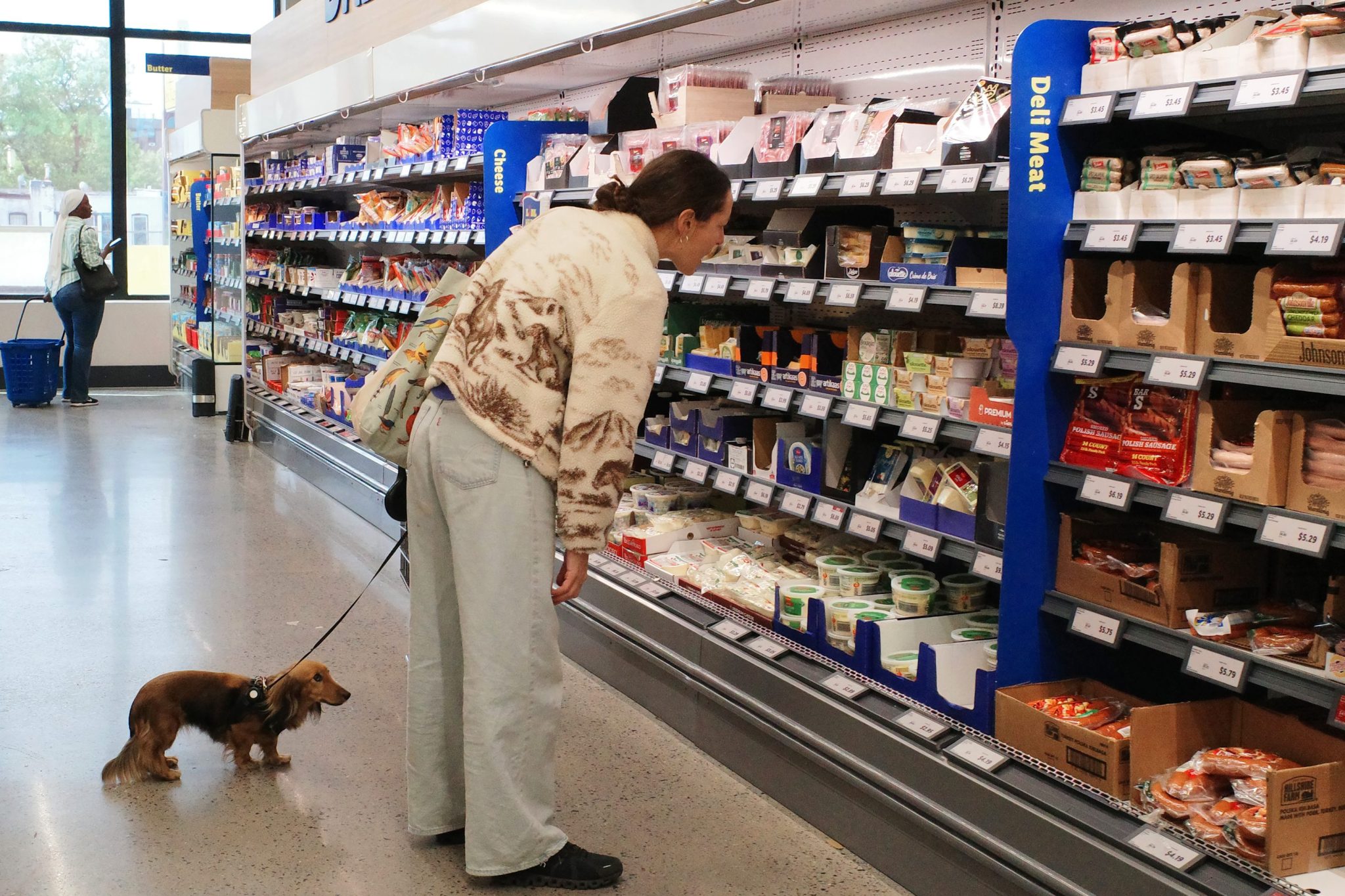
‘It’s a miserable number’: Inflation surges as the Iran war and breakneck AI spending are crushing consumers
Economists have been calling it for weeks, and now it’s finally here. Inflation spiked to 3.8% last month, according to the April Consumer Price Index, released on Tuesday. It’s the sharpest reading consumers have seen in three years, since Russia invaded Ukraine, spiking fuel prices and sending inflation to 4% in 2023. But unlike the massive spike of that crisis—which hit quickly and broadly, igniting inflation across nearly two-thirds of the CPI basket almost overnight—this oil shock has a more pernicious nature. For one, it’s been slower to hit: crude markets have defied experts’ prognostications of doom as traders steadily rebalanced and tried to “look through” the crisis. Oil has stayed well below the $150 price hikes that some had imagined just weeks earlier, when oil markets were first rocked by the effective closure of the Strait of Hormuz thanks to the outbreak of the Iran war. Still, gasoline is up 28.4% over the year, Tuesday’s inflation data showed, and 5.4% just on the month. Fuel oil is up 54.3% year-over-year. And unlike the Russia-Ukraine-driven energy crisis, this is “more than just an energy crisis,” said Diane Swonk, chief economist at KPMG. “It is a supply chain disruption, and that’s important—and you’re only beginning to see the effects,” Swonk told Fortune. She added that accelerating food prices—grocery prices climbed 0.7% in April—mean the shortage of diesel, a critical fuel for agricultural equipment and shipping vessels, is beginning to pass through almost exactly on schedule. “Diesel hits everything. It hits shipping costs. There are very low margins,” she said. “We knew the spillover effects from the war in Iran would hit within four to six weeks. And there you got it, in April.” Computers and electronics are climbing too, Swonk noted, but for a separate reason: memory chip shortages tied to the AI buildout, which she said will “only wor