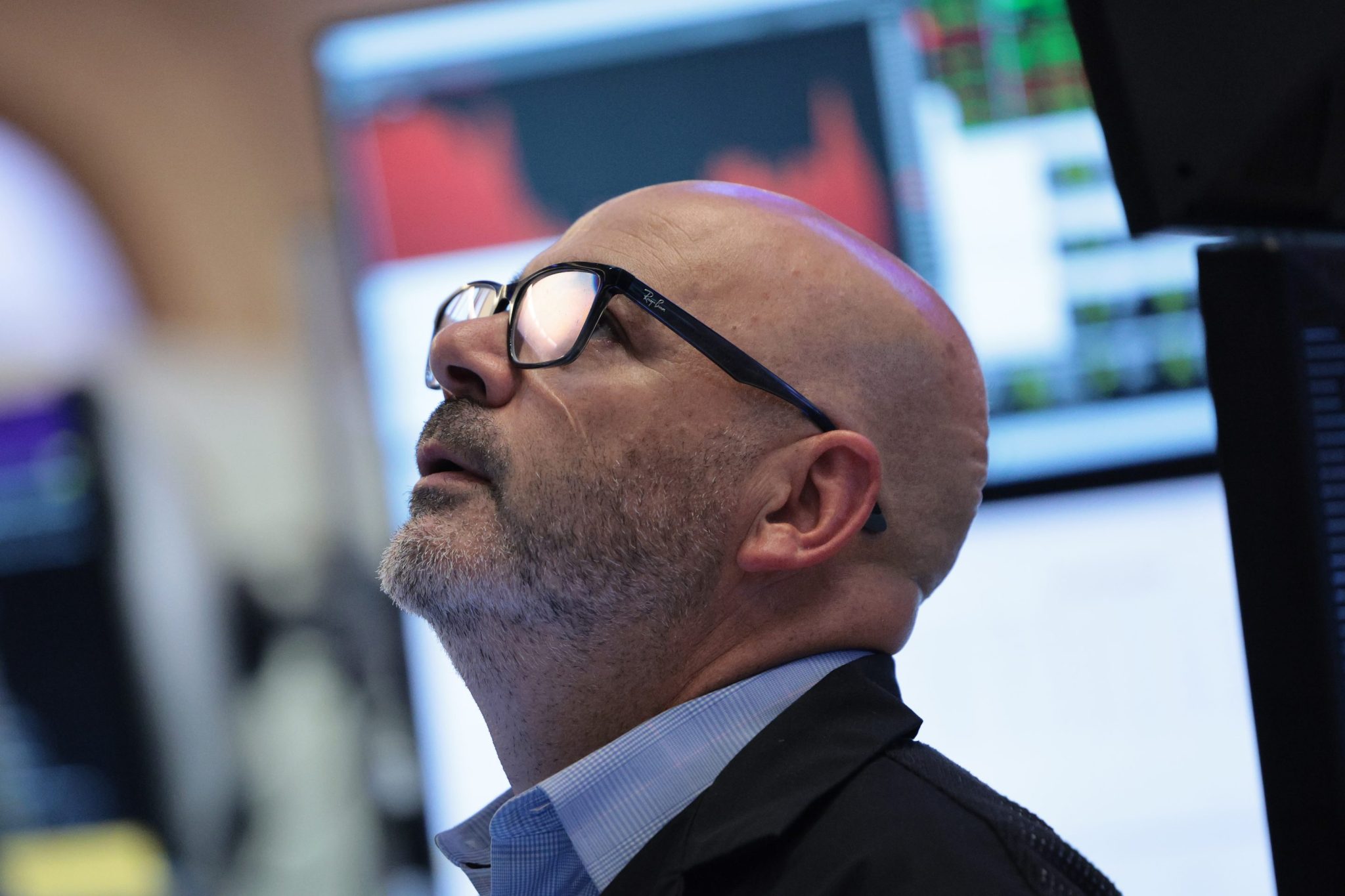
Inflation is roaring back globally, 2022 style. The Iran war is only half the problem
The specter of higher-than-2% inflation has loomed over the economy since the pandemic. But just as it seemed like the Fed had clawed its way out of unpopular rate hikes, a war with Iran has dragged it right back in. Producer prices climbed 6.5% over the past year, the Bureau of Labor Statistics reported Thursday, the steepest annual jump since November 2022. A day earlier, consumer prices came in at 4.2%, the hottest since 2023. Both were driven by soaring energy costs as the Strait of Hormuz remains choked off. Wholesale gasoline leaped more than 23% in a month, the BLS reported, which pulled up everything that runs on fuel: jet fuel, freight, trucking, diesel. Agricultural materials overall rose 14% in May alone. The “core” producer price index, which excludes volatile food and energy costs, rose 0.4%, below the consensus view of 0.5%—indicating to some analysts that inflation isn’t broadening month-to-month. Mohamed El-Erian noted the print came in “hotter than expected at the headline level but softer at the core level”—a sign, he wrote, that “the PPI spillover from energy into broader prices remains relatively muted for now.” For the moment, much of that pass-through is being absorbed, El-Erian said, by “margin pressure”: companies eating higher costs instead of passing them on. But that buffer shows signs of thinning: trade margins shrank in May by the most in nearly a year. Zooming out, though, this is not a May or an April problem; it is not even an American problem. Inflation is roaring back globally. Beyond the headline number, the report’s core measure excluding food, energy, and trade rose 5.1% over the year, the most since October 2022. Deeper in the trade pipeline, prices for processed goods used by businesses climbed 13.3% annually, the steepest since August 2022, while raw, unprocessed inputs soared 22.2%, the fastest pace since September of that year. To be sure, U.S. consumer inflation at