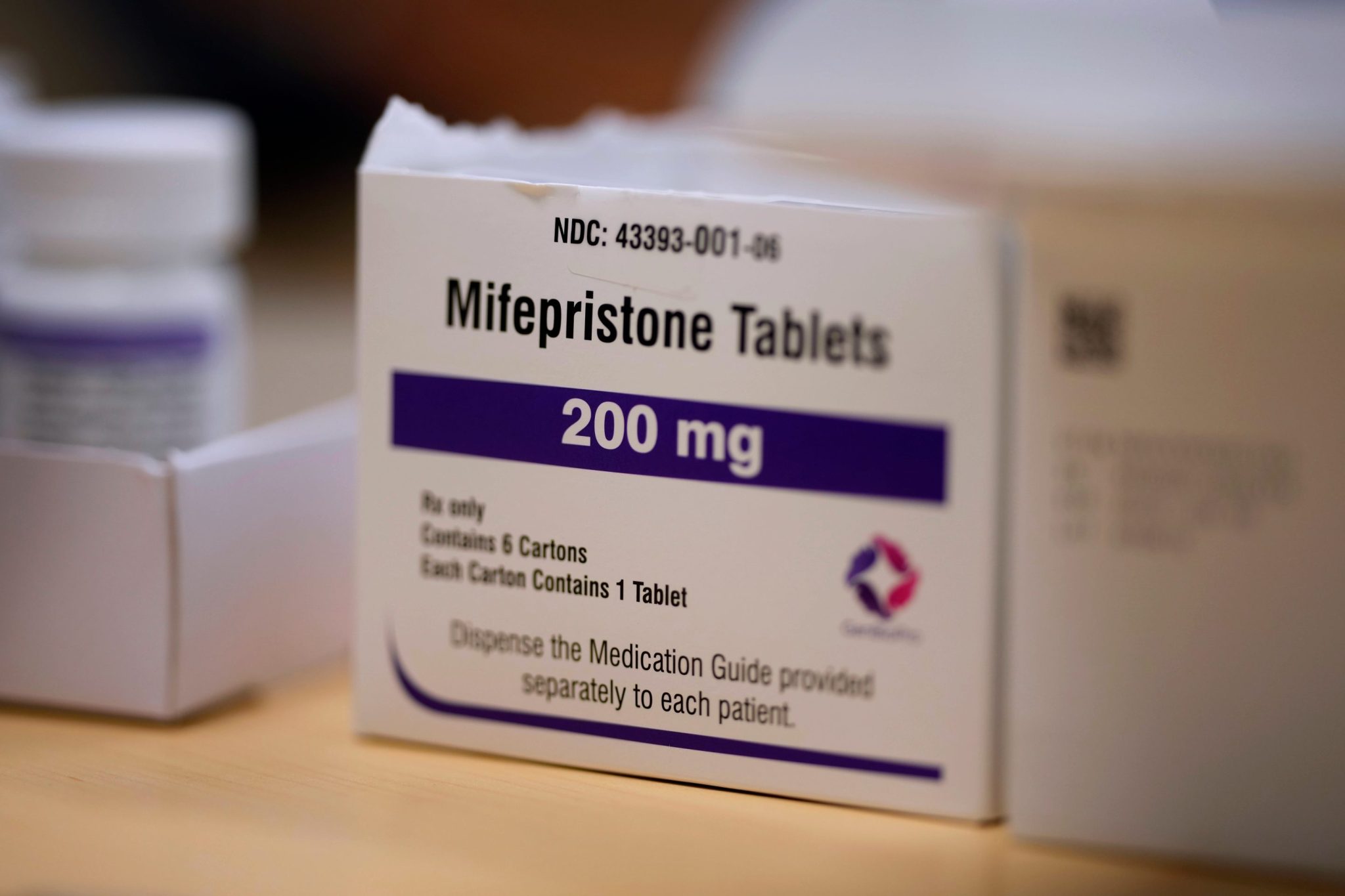
Federal appeals court blocks mifepristone distribution by mail in biggest jolt to abortion policy since the overturning of Roe v. Wade
In the biggest jolt to abortion policy in the U.S. since the overturning of Roe v. Wade, a federal appeals court has restricted access to one of the most common ways to end early pregnancies, by blocking the mailing of mifepristone prescriptions. The unanimous ruling Friday from the New Orleans-based 5th U.S. Circuit Court of Appeals marks a substantial victory for abortion opponents seeking to stem the flow of abortion pills prescribed online that they view as subverting state bans on the procedure. The ruling, which is expected to be appealed to the U.S. Supreme Court, requires that mifepristone be distributed only in person and at clinics, overruling regulations set by the federal Food and Drug Administration. Here’s what to know. Impact extends beyond states with abortion bans Frustrated with a lack of federal action against medicated abortions, Louisiana Attorney General Liz Murrill sued the FDA last month, saying its regulations undermined the state’s ban on abortions at all stages of pregnancy. “The regulation creates an effective way for an out-of-state prescriber to place the drug in the hands of Louisianans in defiance of Louisiana law,” Judge Kyle Duncan, who was appointed by President Donald Trump, wrote in the ruling. FDA officials have said the agency is conducting a new review of mifepristone’s safety, but the appeals court noted that there was no timeline for its completion. Friday’s ruling is in effect while the case works its way through the courts. It affects all states, even those without abortion restrictions. There is little precedent for a federal court overruling the scientific regulations of the FDA, and it remains to be seen how the decision could impact how the drug is dispensed long-term. Murrill, a Republican, celebrated the ruling as a “victory for life” while other anti-abortion advocates cheered the reversal of rules finalized under President Joe Biden that ended a longstanding requirement that the pills be obtained at an in-per