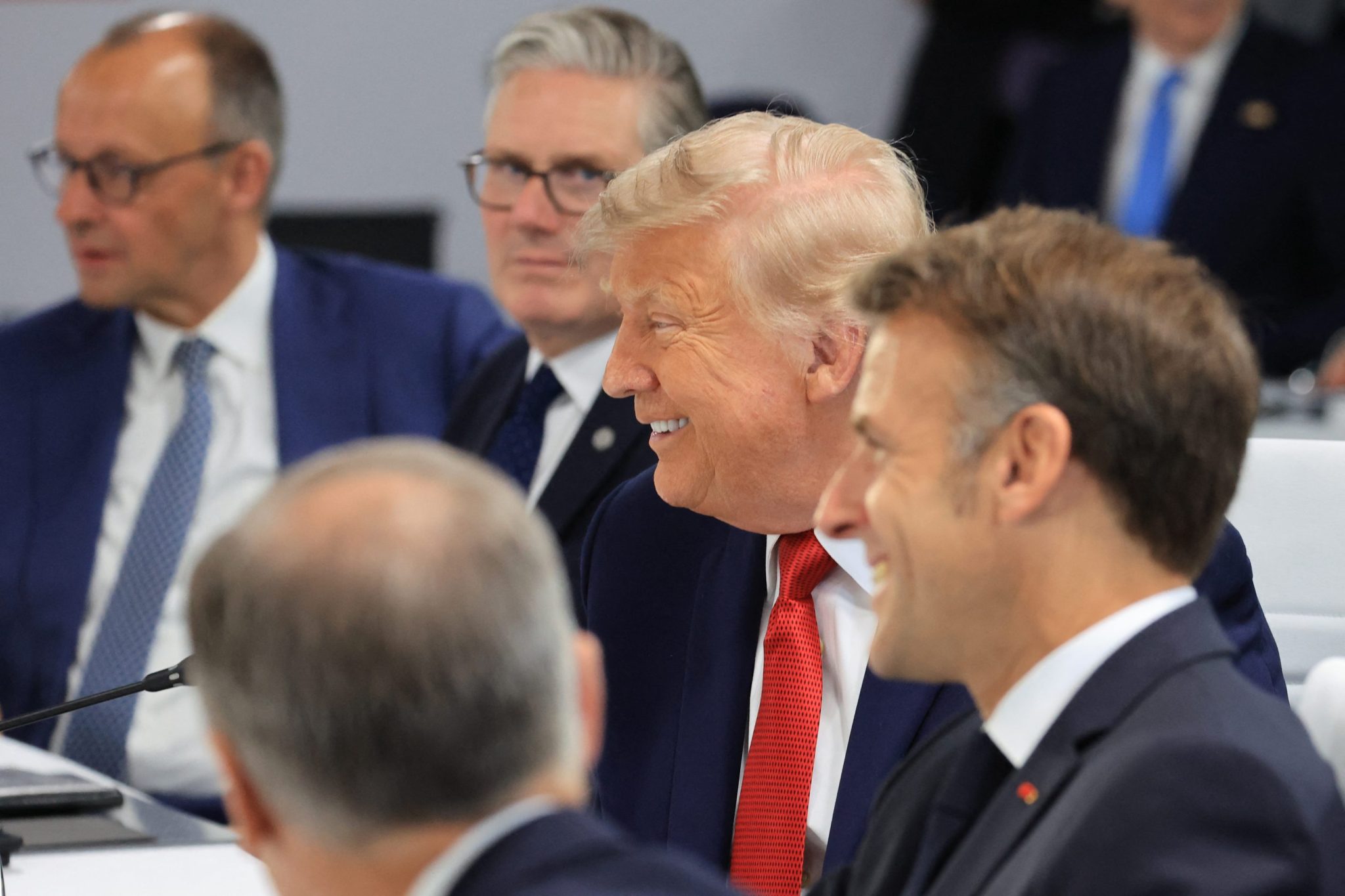
The G7 just pledged to break China’s rare earth grip — there’s a lot of work to do
The U.S. and six of its allies are tackling their dependence on China and its effective chokehold on rare earth minerals. At the Group of Seven summit in France on Wednesday, the countries pledged to ensure that no single nation can supply more than 60% of rare earth imports by 2030. Issued by the G7 in a joint statement, the pledge looks to reduce the countries’ dependence on China for the raw materials behind military technology. The leaders of the U.K., Canada, France, Germany, Japan, Italy and the U.S. said they plan to get to 50% “as soon as possible,” according to the statement. As of last year, China accounted for nearly 70% of rare earth production. “It’s definitely a bold target,” said Cirba Solutions CEO David Klanecky, an expert with more than 30 years of experience in critical minerals. “If you don’t set a goal on a target for people to achieve, then nothing will happen,” he told Fortune. The urgency stems from the fact that China is set to reinstate its initially postponed export controls on rare earths critical to defense systems on Nov. 10 – put in place in a yearlong truce with the Trump administration after his worldwide reciprocal tariffs set off a global trade war. Since another moment of global trade being reshaped in 1973, the G7 group of liberal democracies has met annually to set policy, and this year clearly has China on the agenda. G7 summit participants Japan, the EU and the U.S. account for over half of global rare earth magnet imports, with China acting as the main supplier, according to a United Nations critical minerals trade report published in June. While rare earths themselves are just a group of 17 naturally occurring chemicals, rare earth permanent magnets–what the G7 explicitly named because China accounts for 95% of permanent magnet production–are made from separating and then recombining specific elements that let manufacturers build lighter and stronger motors and electronics. These magnets are then embedded in dron