OpenAI sued by spouse of FSU shooting victim
Key takeaways
- According to chat logs between Ikner and ChatGPT cited in the lawsuit, the chatbot even suggested that involving children in a mass shooting event would get more attention and make national news.
- In response, Drew Pusateri, an OpenAI spokesperson, told Engadget that the company is still cooperating with authorities and continuously working to improve safeguards.
- "Last year's mass shooting at Florida State University was a tragedy, but ChatGPT is not responsible for this terrible crime," Pusateri told Engadget in a statement.
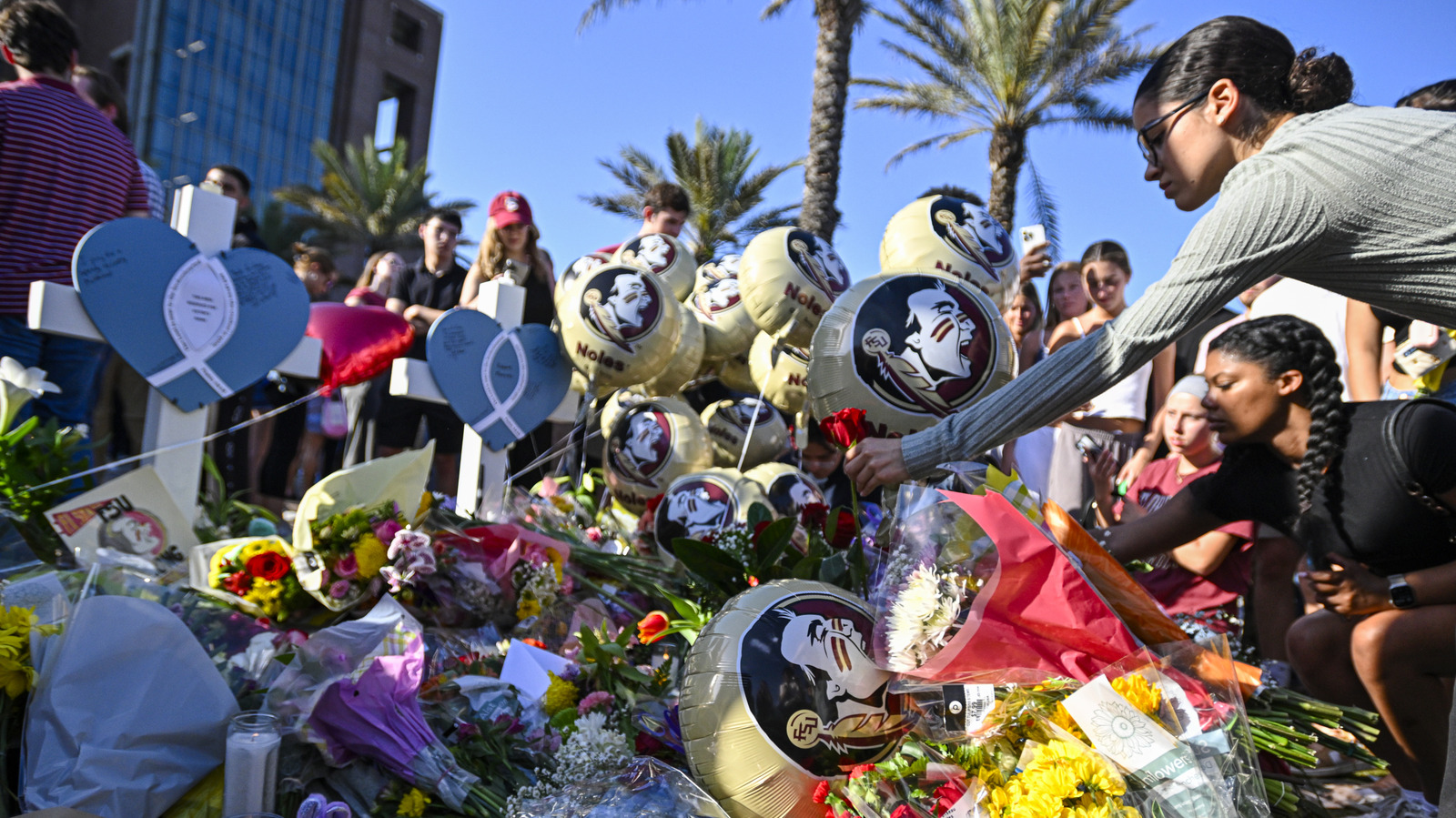
Miguel J. Rodriguez Carrillo/Getty Images. The spouse of a Florida State University mass shooting victim is suing Open AI, accusing the company of providing the alleged shooter with "input and assistance." The lawsuit was filed by Vandana Joshi; Tiru Chabba was one of two university employees that was killed during the April 2025 event which left seven others injured.
According to the lawsuit, the alleged shooter, Phoenix Ikner, was aided "with input and information provided to him during conversations with ChatGPT over a period of months, and specifically in the days leading up to the shooting." Joshi's lawyers accused ChatGPT of providing help to Ikner by identifying guns that were later used in the shooting, informing him how to use the firearms and preparing for the shooting. According to chat logs between Ikner and ChatGPT cited in the lawsuit, the chatbot even suggested that involving children in a mass shooting event would get more attention and make national news. The lawsuit accuses OpenAI of negligence, battery and wrongful death, while also seeking a jury trial.
In response, Drew Pusateri, an OpenAI spokesperson, told Engadget that the company is still cooperating with authorities and continuously working to improve safeguards. He added that "in this case, ChatGPT provided factual responses to questions with information that could be found broadly across public sources on the internet, and it did not encourage or promote illegal or harmful activity."