The Film Historian Who’s Sick of Movies
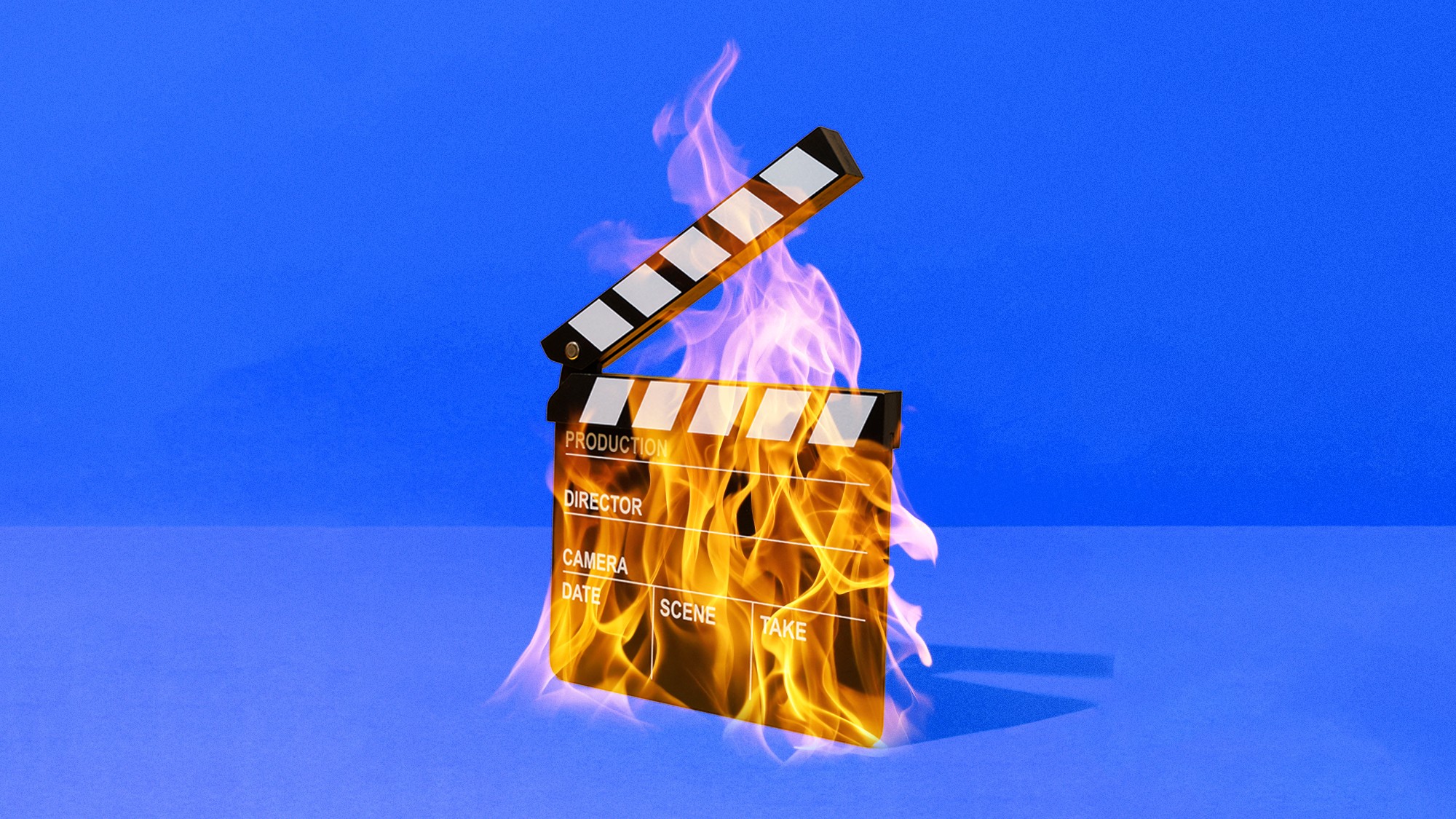
Are movies bad for us? Do they waste our time, dumb down the culture, even harm society? On-screen, stars depict unspeakable acts of violence and cruelty. More subtly, movies make bad choices look appealing; viewers might watch The Godfather and think not merely I want Michael Corleone’s suit, but I want to smoke like he smokes—and maybe run my business like him too. Perhaps that last claim feels overblown, but movies indisputably falsify reality, presenting a world that seems hypervivid for a few hours but vanishes when the lights come up. Mundane life can hardly compete with the glamorous charisma of Kim Novak and Jimmy Stewart in Vertigo or the epic vistas in Lawrence of Arabia.An eminent film critic has written a new analysis of cinema that is propelled by exactly such misgivings. In A Sudden Flicker of Light, the prolific and controversial historian David Thomson describes film as “an engine of fantasy,” a “parasite to reality” that “has begun to diminish our nature” and “turned us into watchers, half aware that we cannot have what we see.” Thomson, who has a quirky palate and has dismissed some canonical films, writes that he “feels more than regret” over the decades of attention he has given to cinema—“as if it honored society and history.” He even appears to blame the movies for the rise of Donald Trump, the consummate camera-ready salesman. I can’t recall such a bleak appraisal of an art form since Tipper Gore went after Twisted Sister in the 1980s. This is the right moment to take the medium’s pulse. I believe we owe the rise of Trump largely to baser human instincts rather than to any cultural product, but the president could not have built the MAGA brand without learning a trick or two from the image industry. More broadly, movies themselves are in trouble. Theaters are dying; superhero blockbusters are struggling; screens have gotten smaller; clips have gotten shorter; and AI threatens to supplant it all. Thomson’s about-face over the movies might be a