Repair Cafes, the Buy Nothing Project and tool libraries are part of an anticonsumerism trend rejecting mass-produced disposable goods
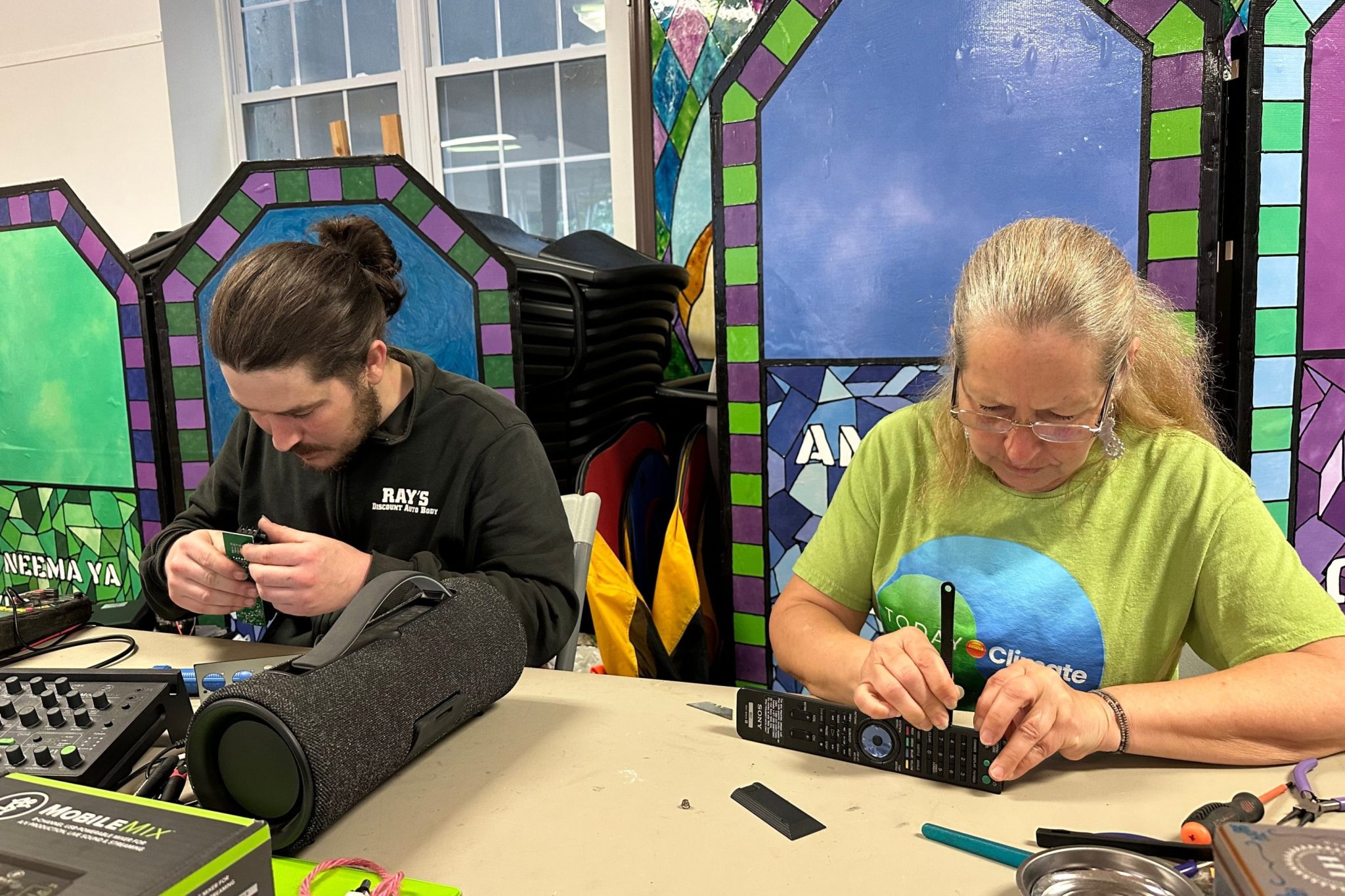
On a drizzly Saturday morning late last month, the basement of the New Paltz United Methodist Church filled with old lamps, blunt knives, malfunctioning sound mixers and balky zippers. About a dozen volunteers welcomed the broken goods and their owners to a worldwide movement that’s evangelizing new relationships between people and their things. Repair Cafes — free events where volunteers with technical know-how help neighbors fix myriad household items — are part of a new brand of anticonsumerism that’s trying to offer an alternative to the mass-produced disposable goods that have dominated the global economy for the last half-century. Helping fuel that move to repairing, not buying, are U.S. consumer prices, which climbed sharply again last month as the war with Iran delivered higher gasoline prices and more pain for Americans. After starting in the Netherlands with a single event in 2009, Repair Cafe has grown into a global nonprofit with more than 59,000 members, some 4,000 cafes and close to 850,000 items fixed a year. “We need to change our mindset. We need to change the economy,” Repair Cafe founder Martine Postma said. “Even if Repair Cafes can’t solve the problem alone, then still they are a very clear sign that change is needed on a much higher level.” Repair Cafes are both a way to fix things and to form community In New Paltz, a Hudson Valley college town about two hours from New York, 50 people brought about 85 items to the Repair Cafe: an antique fan that required rewiring, shirts, pants, jackets, stuffed animals. There were old family photos that needed restoring and jewelry awaiting work like restringing beads or replacing clasps. Repair experts waited behind long cafeteria tables to teach alternatives, giving people chances to learn that flawed goods aren’t automatically junk. “Maybe their initial reason for coming is monetary or sentimental,” organizer Holly Shader said. More than that, she added, “it gives people a chance to work together an