Once dismissed as weeds, native plants are now flying off the shelves
Why this matters: environmental and climate reporting with long-term consequences.
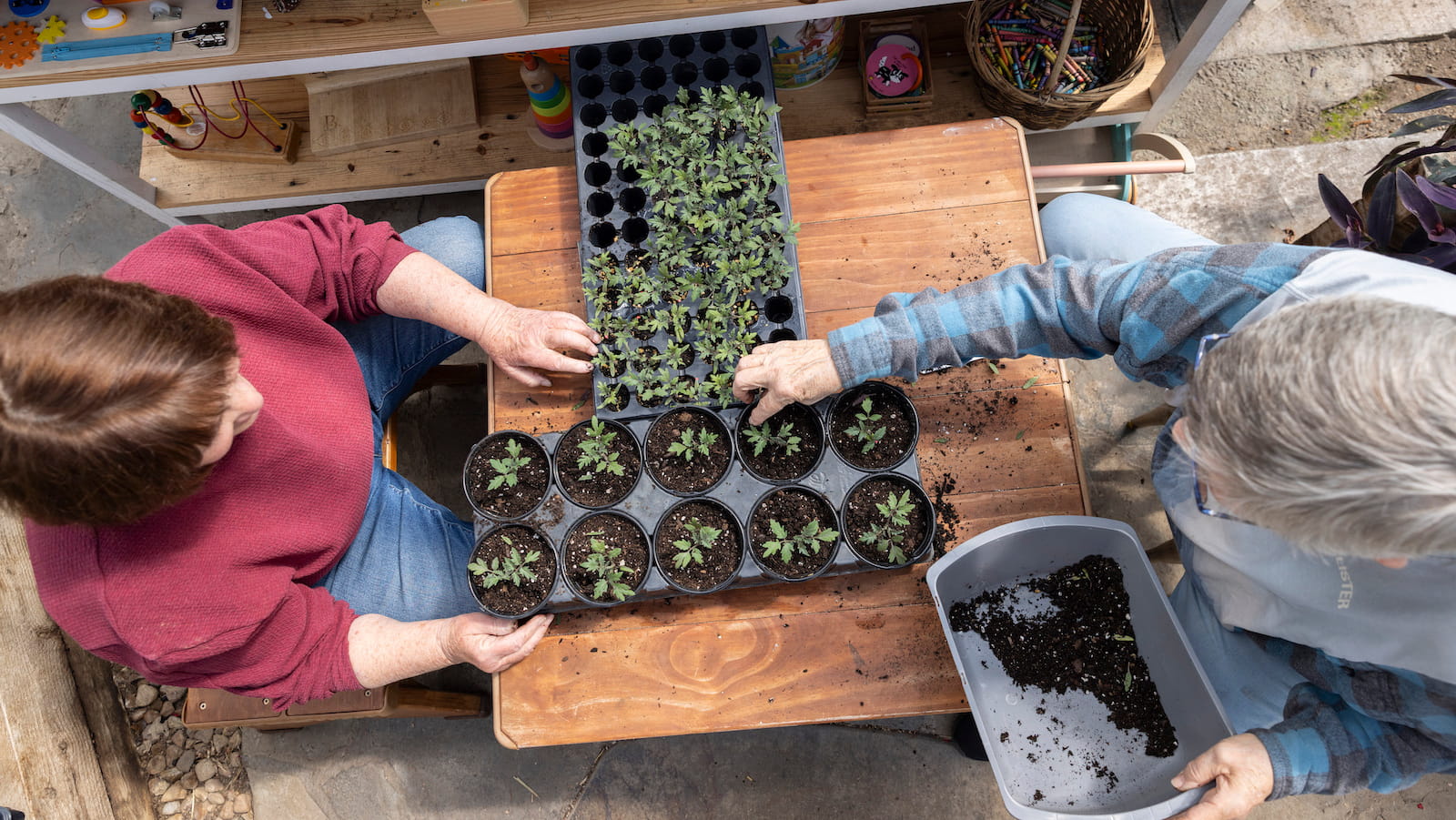
Renee Costanzo cranked on the rusty pulley with both hands, watching the greenhouse roof creak open in sections. A breeze of spring air swept over 12,000 seedlings lined up in plastic trays in the Kilbourn Park greenhouse. Costanzo, the Chicago Park District’s only full-time employee at the northside greenhouse, spearheads a months-long effort to grow more than 15,000 plants, including vegetables, greens, and flowers, to get them ready in time for the Kilbourn Park’s annual plant sale. The massively popular sale, which took place earlier this month, typically draws upwards of 1,100 people every year, with local gardeners lining up around the park waiting to snatch up plants at $4 a piece. But this year, attendance broke records — over 2,300 shoppers turned out. “We generally start these annuals at the end of February,” said Costanzo, pointing to rows of popular annual flowers like zinnias, marigolds, and geraniums, which provide bright blooms all summer long before dying at the end of the season. “So we’ve been coddling and loving these babies for months now, and we just want to get them into happy homes.” Volunteers at Kilbourn Park prepare for the Mother’s Day plant sale. Manuel Martinez / WBEZ For decades, Chicago gardeners flocked to the Kilbourn Park sale to pick up tomatoes, cucumbers, and some annuals — the standard starter kit for backyard gardeners. But this year, the park responded to a relatively new demand: Nearly 1 in 5 plants for sale are native plant species that have adapted to the local climate and wildlife and are generally low maintenance. “Just in the last five years, people have asked for more natives, which is why we’ve been increasing our production,” said Costanzo, who experimented with 30 different native species in November ahead of the plant sale this year. For a long time, native plants were seen as little more than weeds, but their value has grown significantly in recent years. Other local plant sales across Chicago and