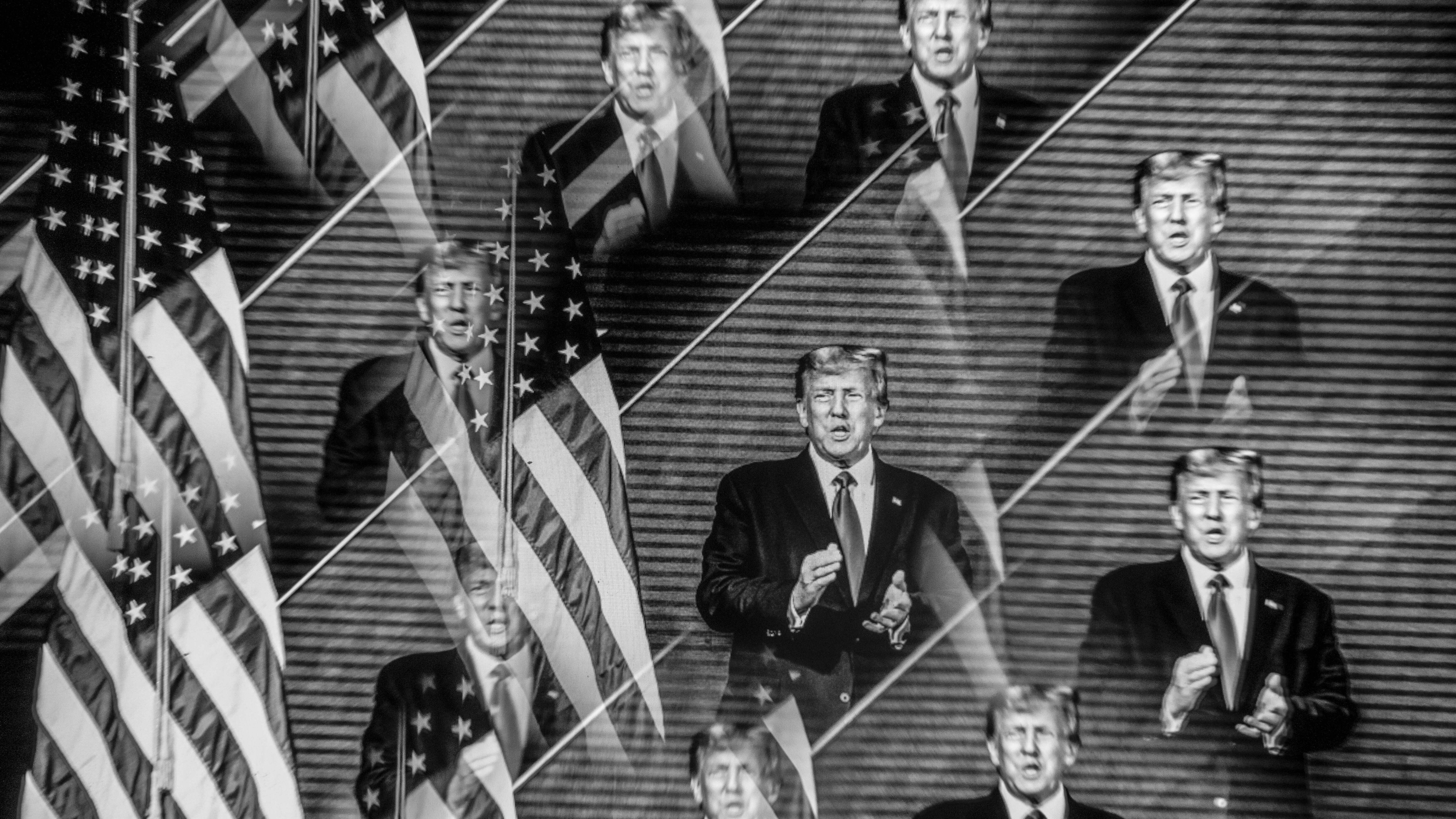
Trump’s No-Limits Presidency
This is an edition of The Atlantic Daily, a newsletter that guides you through the biggest stories of the day, helps you discover new ideas, and recommends the best in culture. Sign up for it here.In an interview with The New York Times early this year, Donald Trump was asked, “Do you see any checks on your power on the world stage? Is there anything that could stop you if you wanted to?” “Yeah, there is one thing,” he said. “My own morality. My own mind. It’s the only thing that can stop me, and that’s very good.”The answer was not very reassuring, especially to anyone familiar with Trump’s ethical or cognitive track record. Last week, the reporter Marc Caputo, of Axios, brought the idea up again: “What have you learned about not just the exercise of power but the limits on your power as a result of the conflict?”“There are no limits,” Trump replied. “I haven’t learned that lesson yet. I know there are, but, you know, there are no limits. We defeated them totally militarily.”To say this after his humiliating defeat in the war with Iran suggests delusion, but it also suggests something about Trump’s view of the presidency as a monarchical office. During his first term in the White House, he pushed back repeatedly against the rule of law. In his second term, he has also raged against restraints from other branches of government, his own aides, and even reality. His administration has clashed with and sometimes defied the courts, grabbed powers from Congress, and attempted to establish vassal states in other sovereign countries—or take away parts of them entirely.This view of the presidency as unlimited doesn’t just go beyond what any other American president has contemplated since 1789, but reaches more than a century earlier, to before Britain’s Glorious Revolution of 1688, which supplanted the old concept of a monarchy guided by divine right and established government by mutual agreement of the people and king. (I have previously drawn parallels between Trumpism an