The Thinkers Who Explain This Baffling Era
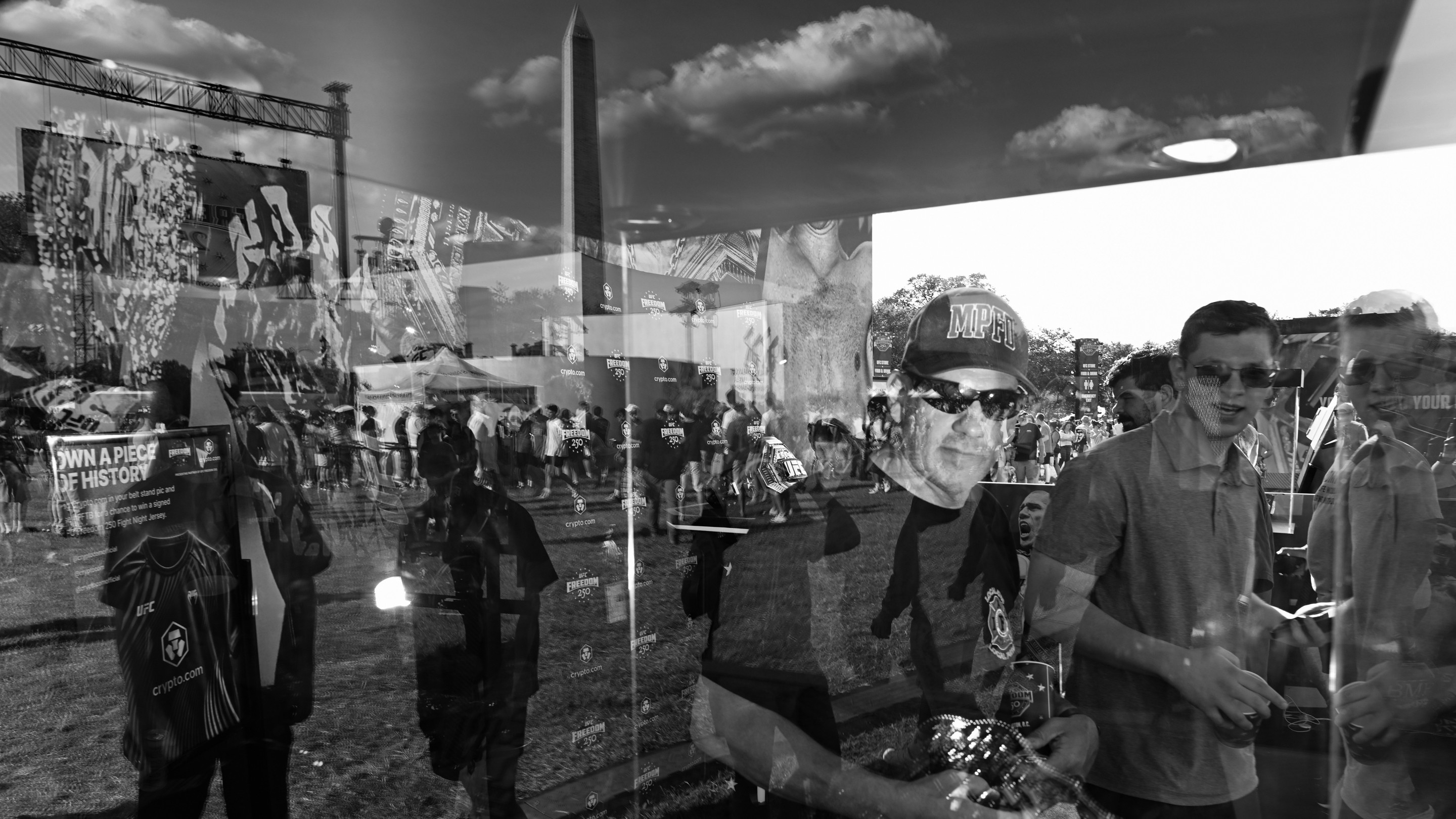
This is an edition of the Books Briefing, our editors’ weekly guide to the best in books. Sign up for it here.My favorite essays feel like surprising chemical reactions: Their materials combine into something novel and combustible. The French philosopher Roland Barthes’s 1957 essay “The World of Wrestling,” which examines the “amplification of the tragic masks” in professional (fake) grappling, certainly fits this category. So does an article in The Atlantic this week, in which the staff writer Gal Beckerman invokes Barthes’ essay to explain the symbolic importance of UFC 250, the gaudy display of blood sport that Donald Trump staged in front of the White House on Sunday. As Beckerman’s editor, I love the way he explains the news through the writings of philosophers, making an implicit case that they are less arcane—and more relevant—than some readers might think. So I decided to ask him to recommend a few more thinkers who might shed some light on the baffling era we’re living through.First, here are four recent stories from The Atlantic’s Books section: A close-up look at the waste of modern life Nathaniel Hawthorne’s American horror story The work that goes into ‘effortless’ style The defiance of Marjane Satrapi Boris Kachka: Has the UFC fight sent you back to other writers beyond Barthes?Gal Beckerman: Yes. Philosophers, even those who produce some fairly dense theory, have asked the kinds of big questions that can help us make sense of two men covered in sweat and blood on the White House lawn. Another book that came to mind last weekend was Elias Canetti’s Crowds and Power, from 1960—particularly when I took in the scenes of tens of thousands of mostly men watching the fights from screens set up at the Ellipse. Canetti saw the impulse to join a crowd as part of a deeply human desire to dissolve individual boundaries, to both lose yourself and experience a kind of emotional release, a sense of power, that comes with feeling many times larger than just your isol