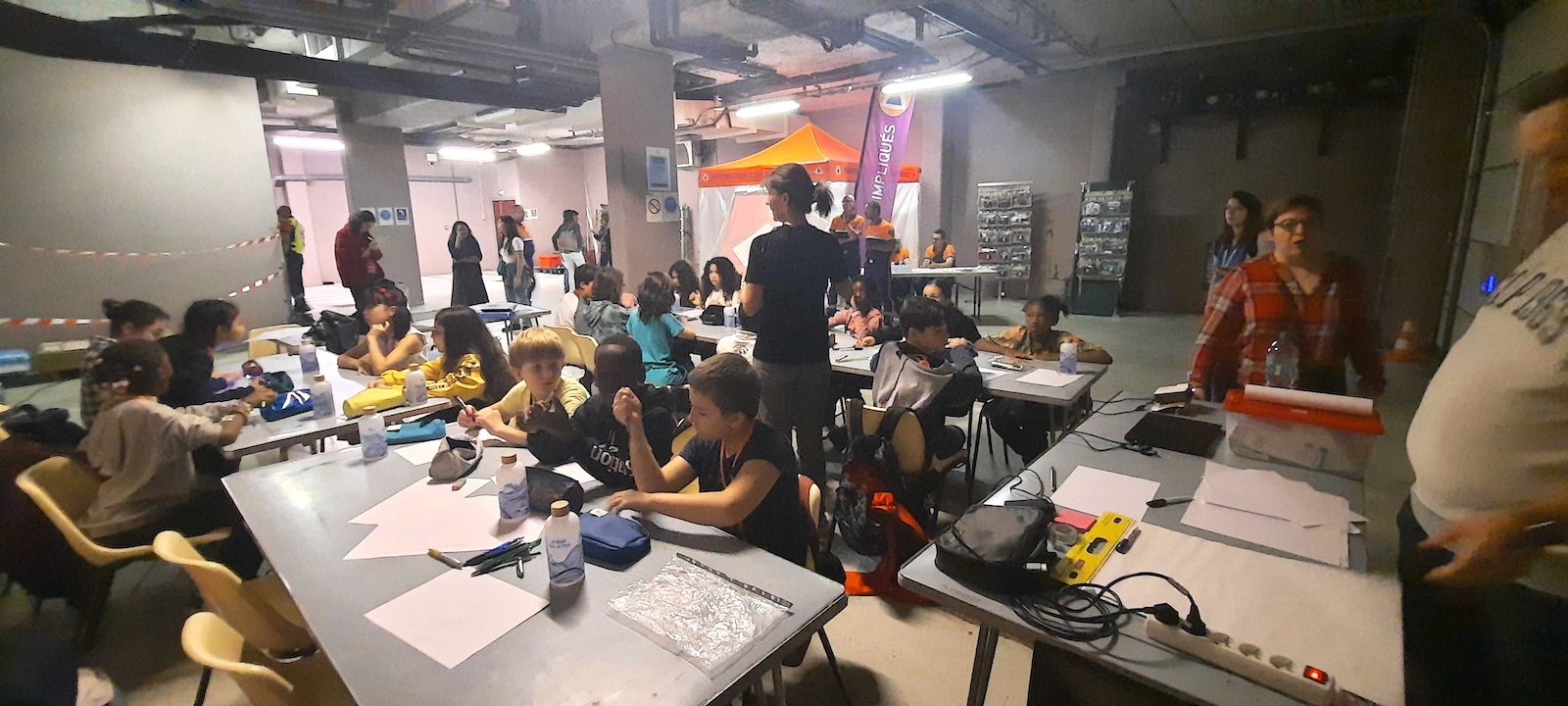
Cities are rehearsing for deadly heat. Will it help when disaster comes?
Why this matters: environmental and climate reporting with long-term consequences.
On a sunny Friday afternoon in October 2023, some 70 children filed into a cool, dark tunnel in the south of Paris to help the city rehearse for its increasingly hot future. The tunnel, part of the abandoned Petite Ceinture railway encircling the city, is always 64 degrees Fahrenheit (18 degrees Celcius), making it the perfect safe haven from the potentially lethal heat imagined outside. Once underground, each youngster was asked to simulate the effects of extreme temperatures that might become reality in their lifetimes. Some pretended to have been poisoned by food that spoiled during a power outage. Others faked the effects of carbon monoxide leaking from a faulty generator. Meanwhile, Red Cross workers scrambled to decide who to send to overwhelmed hospitals. Around them, dozens of others — fire fighters, city officials, teachers — did their best to simulate the chaos and cascading impacts a heat wave of unprecedented duration and intensity might force them to confront. The officials who created the Paris at 50C exercise wanted children to participate because they will face the consequences of a warming world and because they ask so many questions. Crisotech The exercise, called Paris at 50 degrees Celsius, was designed to imagine what might happen if the mercury hits 122 degrees F, something scientists warn is increasingly likely by 2100. It combined live drills and a tabletop exercise to help shape a plan to protect the city’s 2 million people from that kind of heat. Once limited to a handful of cities, these exercises are spreading as local governments stress test health services, emergency response, and essential infrastructure before temperatures reach dangerous extremes. What Paris is rehearsing could soon confront cities across the continent. European governments are being urged to prepare for 5 to 6 degrees F (2.8 to 3.3 degrees C) of warming, a change that could push Paris toward dangerous summertime temperatures by the end of the century. Such heat is a