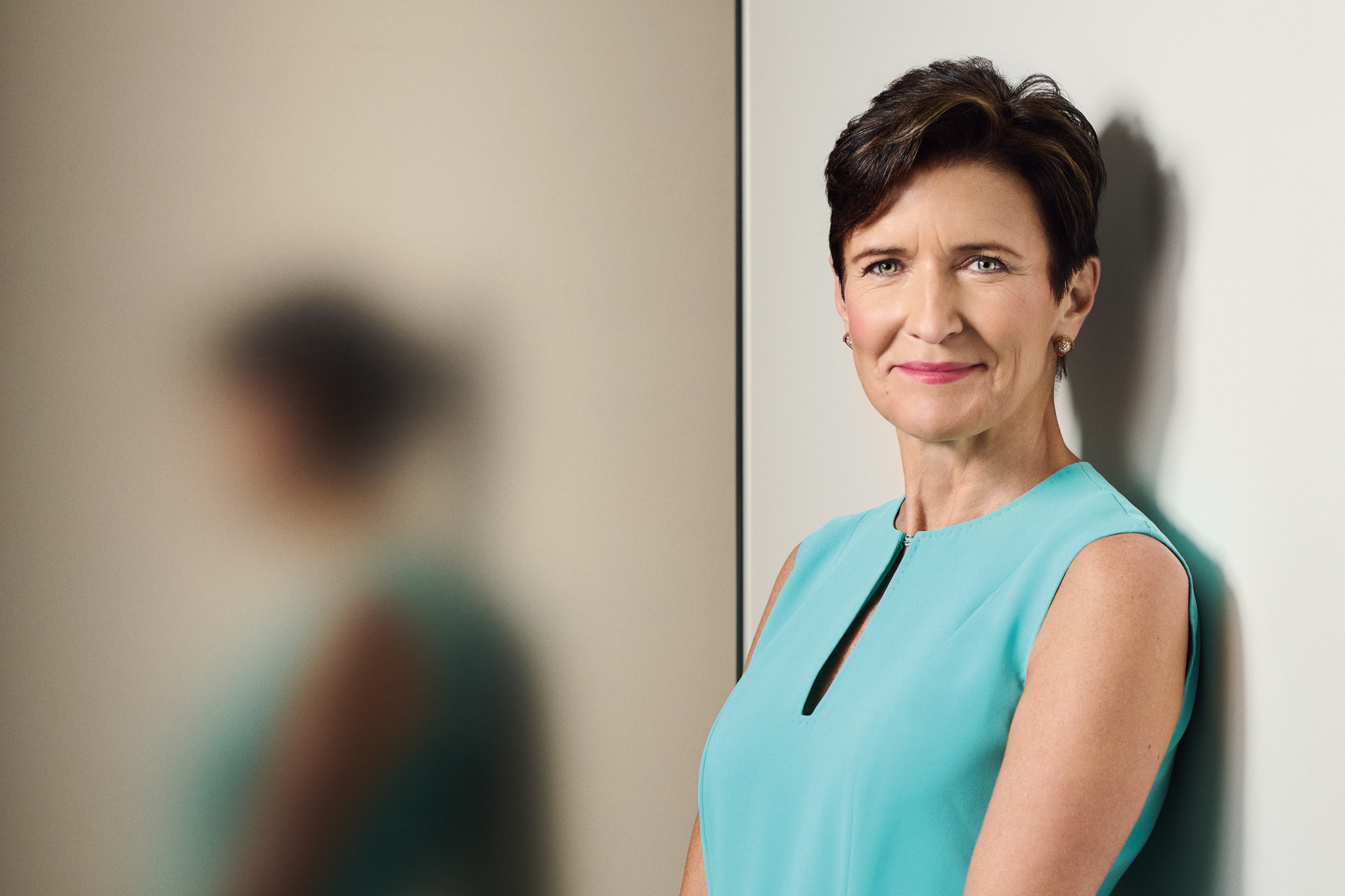
Citi’s 5-year comeback: How CEO Jane Fraser turned the bank’s chronic underperformance into decade-high revenue
In a bubblegum pink bouclé skirt suit, Citigroup CEO Jane Fraser must have felt as if she was speaking into a void as she pitched Wall Street, via livestream, on the future she envisioned for one of the world’s largest banks. It was March 2022. Fraser was a year and a day into her job. She was the first woman ever to lead a major U.S. bank. And Citi was in a bad spot: Its stock had dropped 15% during her tenure, lagging behind the S&P 500’s 10% growth. It was the only big U.S. bank trading below its book value. There also had been a humiliating blunder in which the bank sent $900 million to the wrong place and struggled to get it back. To make matters worse, just hours before Fraser strode onstage for the bank’s first investor day in five years, Citi had suffered another indignity: Two executives had caught COVID, and the entire event had gone virtual. Fraser was forced to deliver her remarks into a camera, eyes trained on a teleprompter in the largely empty auditorium. “We have an urgent need to address the issues that have kept our firm from living up to its full potential,” she said, then spoke bluntly: “It’s frankly not a surprise that we’ve been outperformed by our peers and that we failed to meet the expectations of our investors.” She vowed to change how the bank was run, instilling crisp decision-making and real discipline on execution and delivering results. Unfazed, Fraser ticked through her recovery plan with the ruthless precision of a seasoned McKinsey consultant (she’s an alum). Her vision for Citi: to be the preeminent banking partner for institutions with cross-border needs; a global leader in wealth management; and a valued personal bank in our home market. Anything that didn’t serve these purposes may end up on the chopping block. And the bank’s culture of mediocrity had to change: “Good enough was good enough for far too long,” she said. Fraser’s no-nonsense