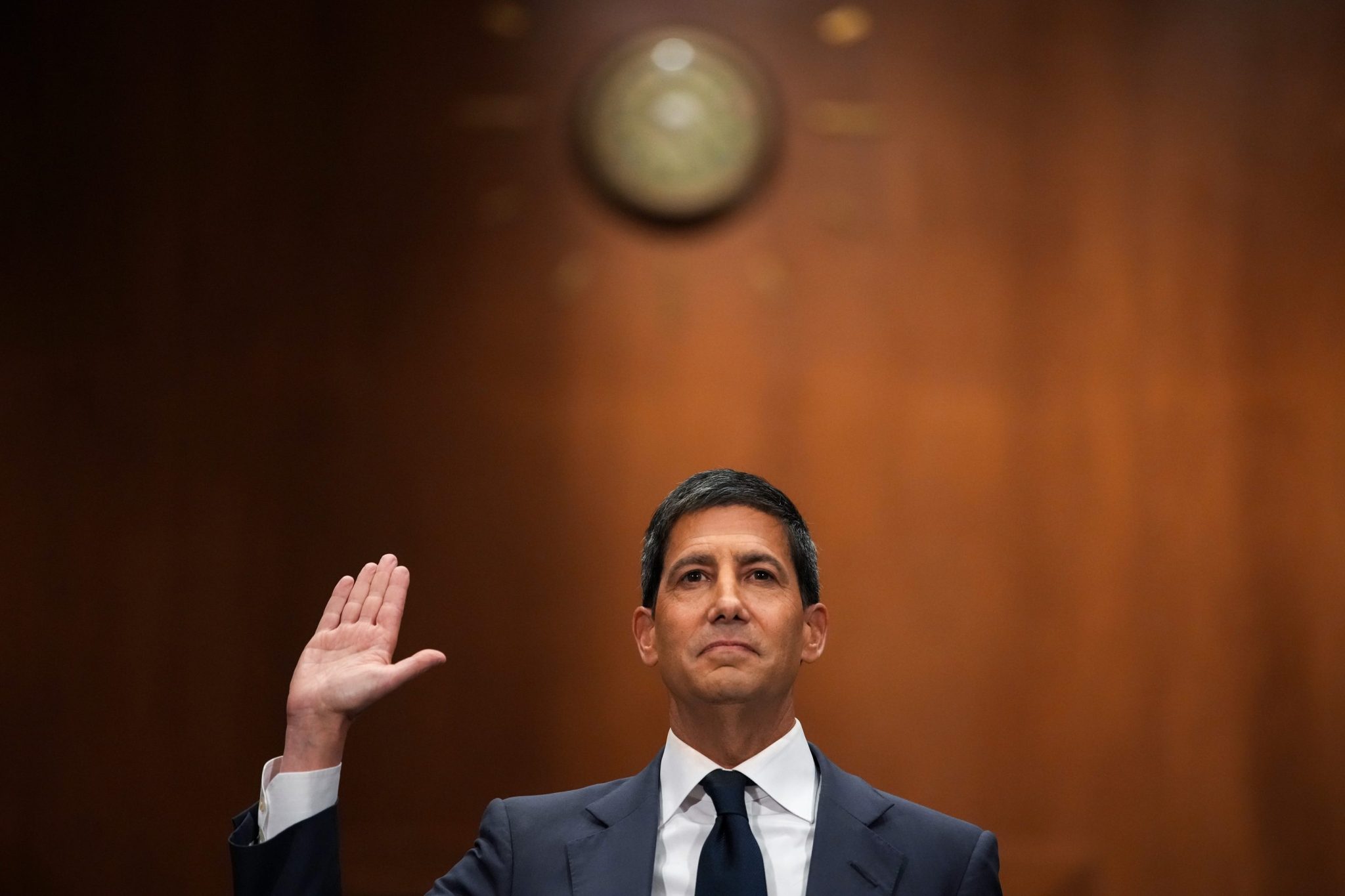
Dominoes are steadily falling in the path of the rate cuts Trump wants to see from Kevin Warsh
Incoming Fed Chairman Kevin Warsh has made it clear he has made the president no promises: Despite being more bullish on the outlook for the economy, the new boss of the central bank says he hasn’t committed to rate cuts.However, everyone from Washington, D.C. to Washington state knows that President Trump wants lower interest rates—but the argument for cutting is only getting more difficult to sell.Inflation is not moving in the right way for a cut, and othis week, shorter-term treasuries also moved in an inconvenient direction for lowering. Beginning with 2-year Treasuries, the notes spiked overnight Thursday to more than 4%, their highest for the year-to-date. 2-year Treasuries are generally seen as the temperature check for the market’s rate expectations over the next couple of years, and tend to be relatively in sync as a result. If the two became untethered, it could be inferred that the bond market is signaling the Fed isn’t doing enough to cool the economy, and will need to pump the brakes. While Warsh, a former Fed governor, might be betting big on AI and its promised productivity gains as a reason for cutting down the line, it seems investors are only expecting the trajectory to be upward in the first few years of his tenure. The news in the past 24 hours also hasn’t done much to alleviate concerns that sticky inflation will cool anytime soon. Remember that the latest consumer price inflation (CPI) report came in at 3.8%—well above the Fed’s 2% target, first introduced by Warsh’s mentor, former Fed Chairman Ben Bernanke. Much of the strain on consumers’ wallets at the moment stems from tensions in the Middle East. The Strait of Hormuz is choking the global oil supply, as Deutsche Bank’s Jim Reid noted to clients this morning: “President Trump said the U.S. doesn’t need the Strait of Hormuz open “at all”. So that’s added to fears that the Strait will remain blocked for some time, leading to a more protra