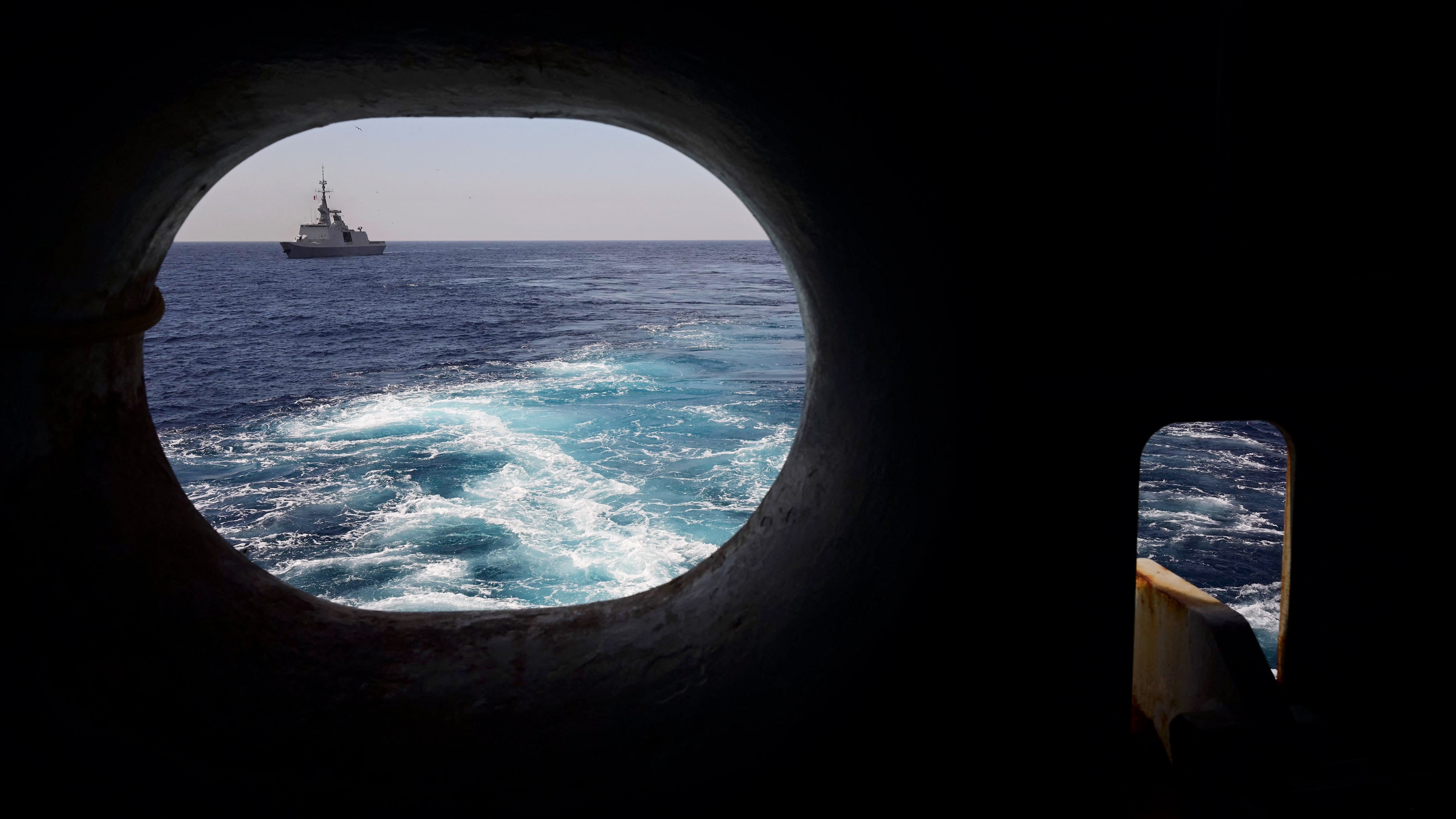
Send the Frigates
America’s allies, particularly but not exclusively the Europeans, have very good reasons to be furious with the Trump administration. Quite apart from Donald Trump’s gratuitous insults and shocking threats (particularly to take Greenland), they are rightly incensed that the United States, together with Israel, launched the latest campaign against Iran without consultation or forewarning. Their first reaction to requests for help escorting ships through the Strait of Hormuz has been some version of “You made your bed, now lie in it.” Even the Saudis, no friends of Iran, are reported to have temporarily cut off access to American air bases out of anger at getting no heads up from the Americans about the latest decision to guide American ships through the strait.All understandable, but a serious error from the point of view of their own interests. The fundamental situation is this: The American blockade of the strait, though belated (it began only on April 13, six weeks into the war), is effective. Despite its paucity of mine-clearing vessels, and probably using previously unknown or secret systems, the U.S. Navy has enough confidence that it has guided two American commercial vessels and sent two of its valuable destroyers through the strait. Iranian pot shots at those vessels failed. The question is now which side will yield most in a complicated and chaotic negotiation.The United States would like its allies to provide frigates to escort oil tankers through this cleared passageway. Frigates, the equivalent of the destroyer escorts of World War II, are usually smaller than destroyers. An American Arleigh Burke-class destroyer can displace nearly 10,000 tons, the equivalent of a cruiser before World War II, where a European FREMM frigate might displace just more than 6,000 tons. Escorting convoys has been a mission for that class of warships for generations indeed, in some ways back to the age of sail. And improvidently, the U.S. Navy has failed to keep acquiring frig