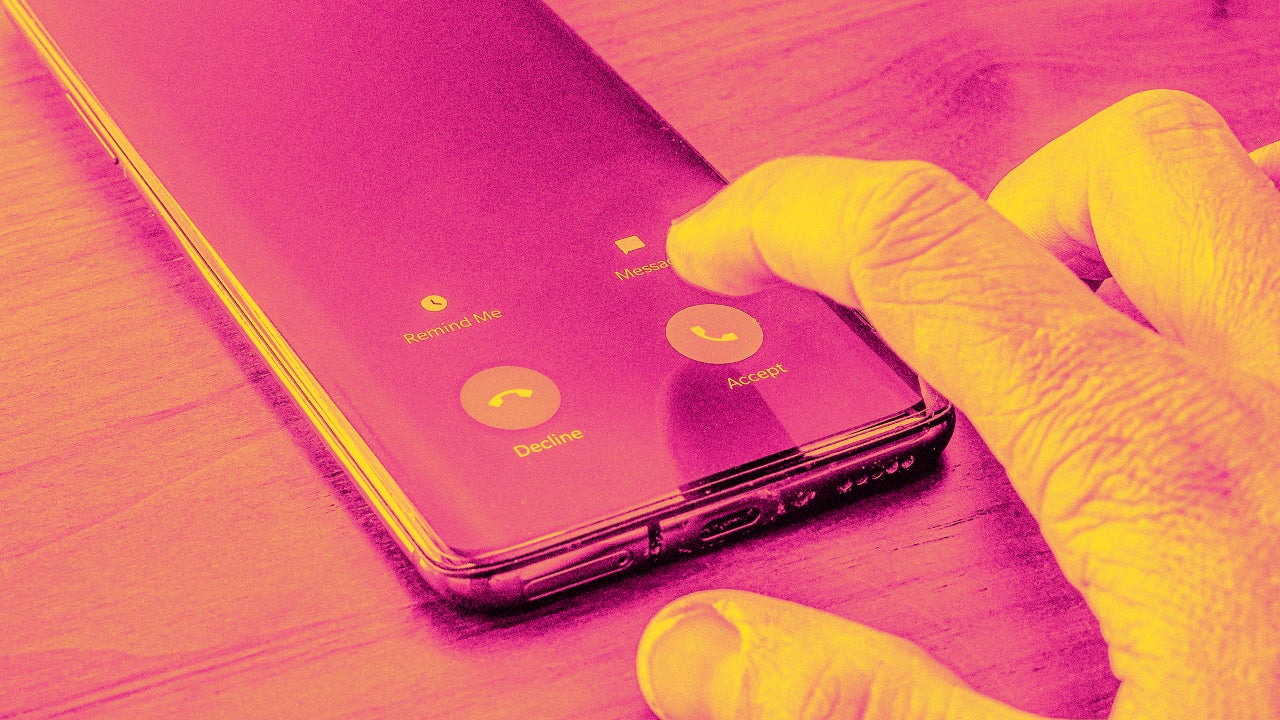
iPhone users: Be aware of this new ‘Apple High Alert’ scam
There’s no shortage of scams trying to get us to turn over our login information, payment details, or other critical data. But recently, bad actors online seem to be refocusing their attention on Apple users. First, it was the “i Cloud storage is full” scam. Now there’s another, designed to trick not just i Cloud users, but anyone with an Apple account. It’s become known as the “Apple High Alert” scam. Here’s what you need to know about it—and how to protect yourself. What is the Apple High Alert scam? Apple High Alert is the latest phishing scam targeting people with Apple accounts, including iCloud users and anyone with an iPhone or other Apple device. The scam does not take advantage of any vulnerabilities in Apple’s services or devices. Instead, it relies on tried and tested social engineering methods to trick users into giving their valuable information over to the scammer, so that the scammer can steal their financial information or hijack their Apple account or Apple device, like an iPhone. As ConsumerAffairs notes, the messaging often includes phrases like “Security Breach Detected,” “Your iPhone Has Been Compromised,” and “High Alert,” which is where the scam’s name comes from. How does the Apple High Alert scam work? According to ConsumerAffairs, the scam works like this: A targeted user will receive a phone call, email, text message, or web browser pop-up claiming to be from Apple. No matter the medium, the message is the same. It relays that your Apple account, or even your iPhone, has been compromised. The message claims to know this because suspicious activity was supposedly detected on your account. This supposed suspicious activity, the scam claims, may put your iCloud data, such as your photos or emails, at risk of being deleted, or your payment methods being charged for purchases you didn’t make. To ostensibly stop this, the target is instructed to turn over their sensitive information, such as their Apple ID login credentials or payment