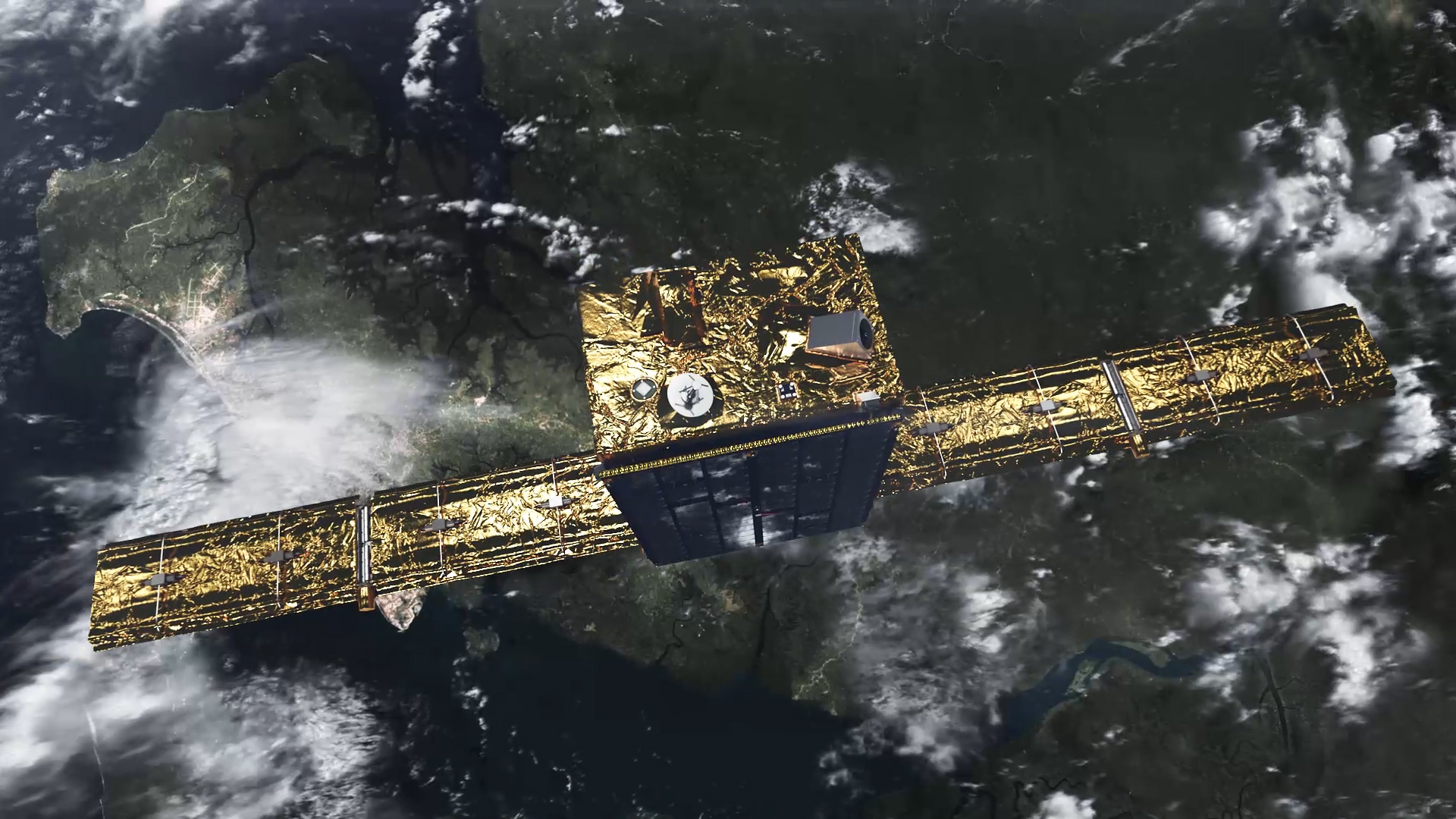
ICEYE to double radar-satellite capacity by late 2027 as demand surges
Why this matters: an international story with cross-border implications worth tracking.
PARIS — Finland’s ICEYE expects to double global production to 100 radar satellites by the end of 2027, the company told Defense News in a clarification of comments by CEO Rafal Modrzewski at a defense-industry conference in Brussels on Tuesday.ICEYE is currently manufacturing satellites at a pace of 50 per year, Modrzewski said at the European Defence & Security Summit in the Belgian capital, and the goal is to ramp up production to two satellites a week as the company responds to surging demand from European militaries.The CEO said future constellations will be “in the hundreds of satellites,” pointing to the example of Elon Musk’s Starlink with its thousands of satellites. He said ICEYE’s planned manufacturing line for 100 satellites a year “is still too small, so we will keep on growing that production.”European governments are trying to reduce their dependency on the United States for a number of critical defense enablers, including satellite intelligence, and ICEYE has benefited from efforts to close the gap. The company has said the U.S. halt of intelligence sharing in March 2025 really drove home the need in Europe for sovereign access to space-based intel.The ICEYE CEO said Germany’s order for a 40-satellite constellation in December was “the first-ever European move to actually create a properly large tactical system in Europe.”The company was founded in 2014 by Modrzewski and Pekka Laurila as a Finnish university spin-off, and it supplies Earth-observation data using synthetic aperture radar, or SAR for short, which ICEYE initially intended as a tool to help ships avoid sea ice.ICEYE took less than 12 months from contract signature to deliver full radar-satellite systems to Poland, Greece and Portugal, according to Modrzewski, calling that a big change in an industry where one satellite used to take five years.“Here we are talking about three different countries, each of which has received a constellation of five, six, seven within less than 12 months,” t