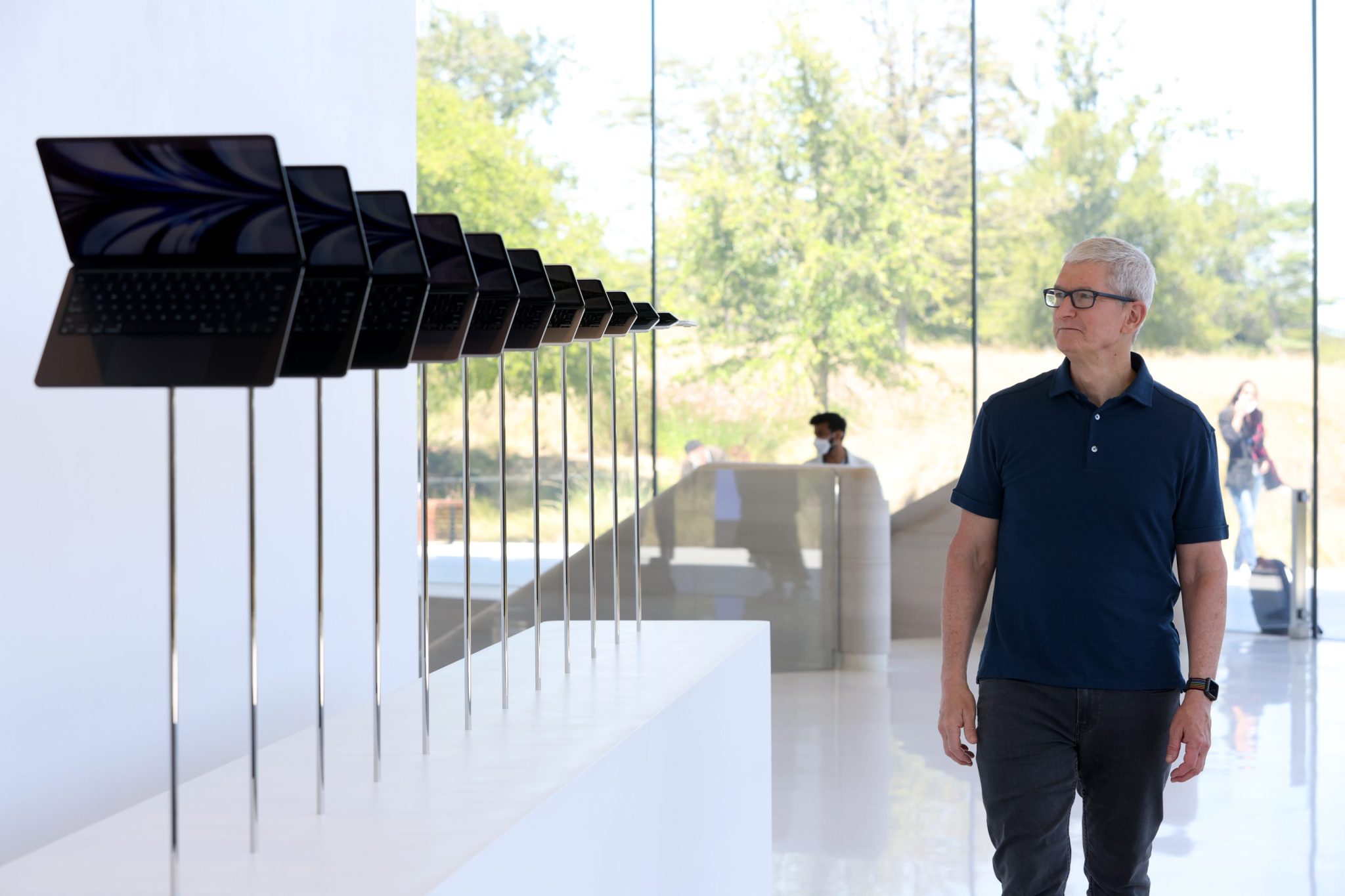
Even Apple supply chain maestro Tim Cook couldn’t dodge the memory chip ‘RAM-ageddon’ crisis. Here’s why PC prices are soaring this summer
On Monday, an Apple Mac Book Pro laptop cost $1,699. On Thursday, it cost $1,999. Apple didn’t launch a spiffier, more powerful new version of the laptop; the $1,999 machine is exactly the same as the one that sold for $300 less a few days earlier. Similarly, the Mac Book Neo—introduced in March as Apple’s budget option—saw its price tag increase from $599 to $699 this past week. Welcome to “RAM-ageddon,” the theatrically named phenomenon caused by a severe shortage of computer memory chips. Apple is just the latest of a string of PC and gadget makers who have hiked prices in recent months to make up for the rising cost of RAM and NAND memory—critical components inside computers, smartphones, and game consoles, as well as in automobiles and industrial equipment. On Thursday, the same day Apple raised its prices, Microsoft said it will increase the price of its Xbox game console by $100-$150 depending on the version, and that it would no longer sell Xbox consoles with 2 terabytes of memory, its highest-end configuration. Dell, HP, Lenovo, and Asus have also raised prices or reduced the amount of memory in their products. But the fact that Apple was forced to raise prices—despite its famous supply chain prowess and its massive purchasing power, not to mention the potential damper on demand—sent a shockwave through the global markets. The Nasdaq slid 1.4% the day Apple unveiled the price increases, as investors worried about the implications of rising memory prices. “The storm isn’t over yet, this is just the beginning,” Nabila Popal, an analyst at industry research firm IDC, said of the memory crunch. Feeding the giants The reason for the price hikes is no secret to anyone who’s been paying attention. It’s all about AI, specifically the unprecedented industry-wide build out of the data centers that power AI services like OpenAI’s ChatGPT, Anthropic’s Claude, and Google’s Gemini. The computers inside those AI data centers need memory chips too, just like your laptop and