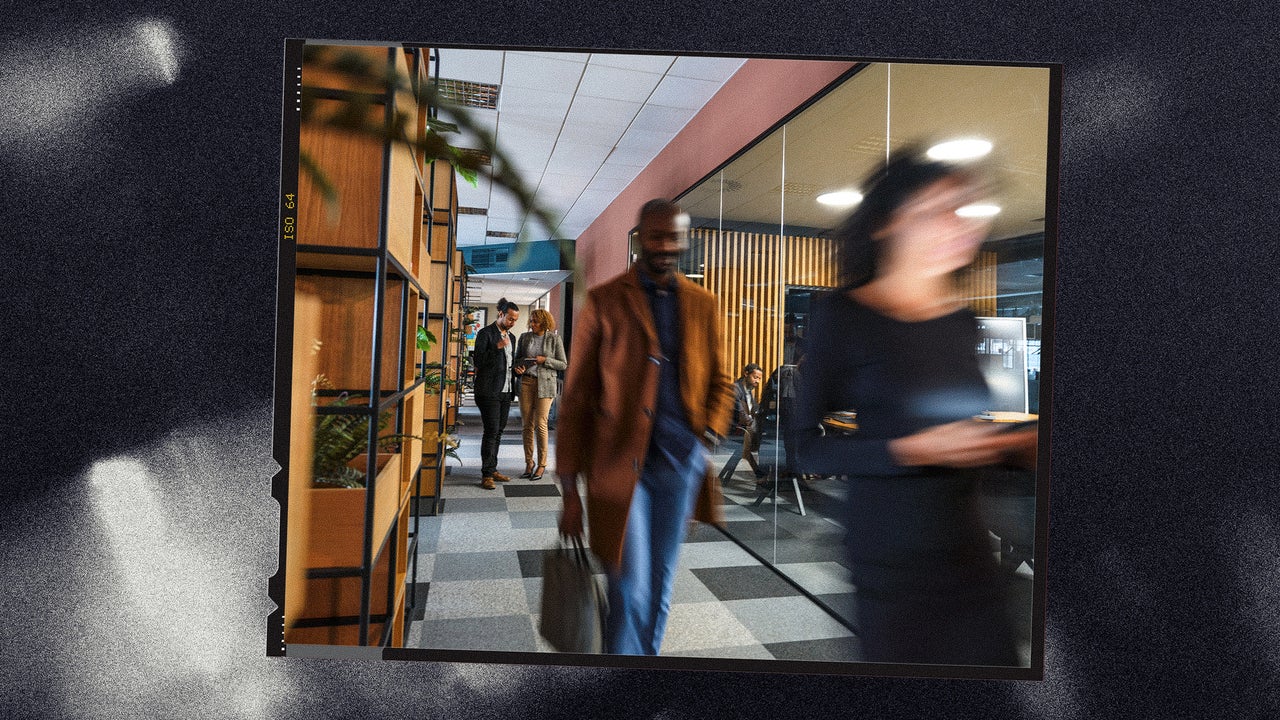
What if the office is actually a workplace perk?
In the past few years, job listings have increasingly touted remote or partially remote work alongside other perks like gym memberships and childcare benefits. The assumption is baked in: employees prefer remote work. It implies that companies that care about employee well-being give them the freedom to work from home. But the tide is shifting. I heard a term recently that made me chuckle: FOMOW. Fear of missing out at work. Professionals, and Gen Z in particular, are feeling the drawbacks of not going to the office. Nearly half of Gen Z and 30% of millennials reported that office working increased their quality of life, according to one study. As a business owner, I’ve seen the benefits of working in the office, beyond quality of life—for learning, collaboration, and more. What’s more, it’s an investment in our employees’ careers and growth. The leaders getting in-office work right aren’t just reopening offices—they’re rethinking what those offices are for and how to frame policies for employees. Here’s how. Shifting the narrative from mandate to value proposition The pandemic spurred a global proliferation of remote work, but by 2024, a survey of 764 companies that were fully remote during the pandemic found that 87% were returning to the office by 2025: 64% already had. Nowadays, some companies compromise with a 60% in-office policy, and others wait to see how top talent navigates the market—whether they’re willing to accept fully in-office roles. Essentially, companies follow employees’ lead. But I think this does a disservice to professionals. It treats working in the office as a punishment rather than a value proposition. The most effective return-to-office strategies flip the script. They position the workplace as a high-value environment employees can and should choose to engage with, not one they’re required to endure. They frame working in the office as a perk rather than a mandate. The narrative surrounding your company’s return-to-office policy can have