The ‘Infighting’ in Tehran Has Been Greatly Exaggerated
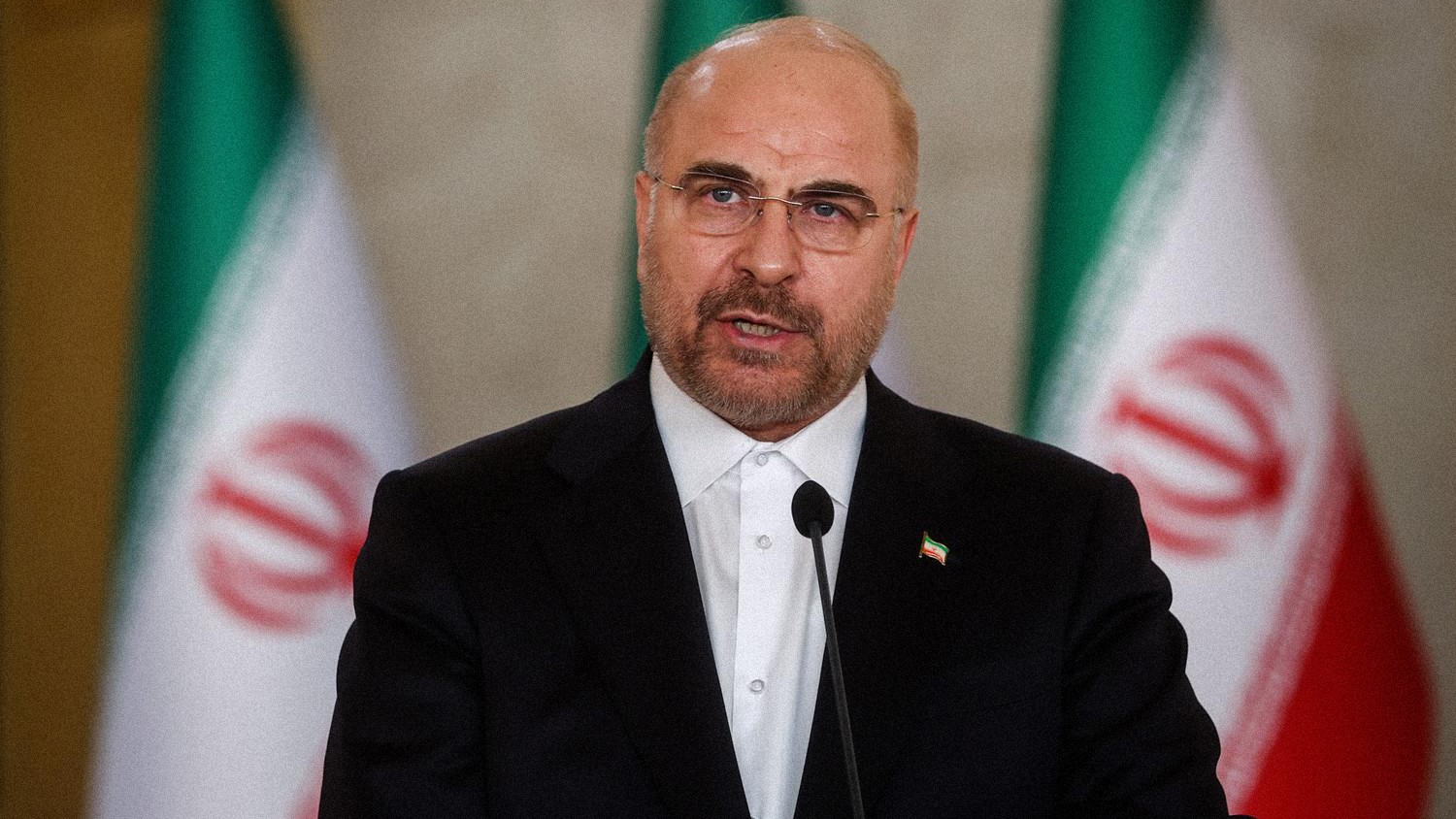
According to the Trump administration’s latest messaging, talks between the United States and Iran are deadlocked because of infighting in Tehran. The military hard-liners of the Islamic Revolutionary Guard Corps must be stopping the civilian diplomats from making a deal. Or, to put it in President Trump’s words, “Iran is having a very hard time figuring out who their leader is!” (This supposition conveniently makes sense of the president’s claim that Iran has “agreed to everything” alongside Iran’s denial that this is so.)The explanation, which has gained some currency in U.S. media, is at best half-true. Quite a bit of infighting is indeed happening within the Iranian regime. However, it does not map neatly onto a military-versus-civilian divide, and it does not suggest that Iran’s negotiating team is disempowered to speak for the country. Such theories reflect a misunderstanding of Iran’s complex system and do little to advance American diplomatic aims.Consider the role of Mohammad Baqer Qalibaf, the man who led the Islamabad talks with Vice President Vance. His American interlocutors can’t quite decide where to place him in their schema of Iran’s internal politics. That might be because the sources of, and limits on, his authority range across the military-civilian binary.[Nancy A. Youssef and Jonathan Lemire: The Iran war’s ramifications have only just begun]Qalibaf is the speaker of Iran’s Parliament, but he has amassed power mostly through his membership on the Supreme National Security Council and its smaller subsidiary, the Defense Council. The Defense Council was founded last summer to consolidate Iran’s military leadership, and though it has nine members, Qalibaf is effectively the first among equals, which means he is all but running the war effort. He owes this to the broad authority he carries within the IRGC: He was one of its top regional commanders during the war with Iraq in the 1980s, and he later headed its construction wing and air force and hel