‘Americans are literally getting squeezed’: A top economist on why your wages are disappearing while the rich keep booking vacations
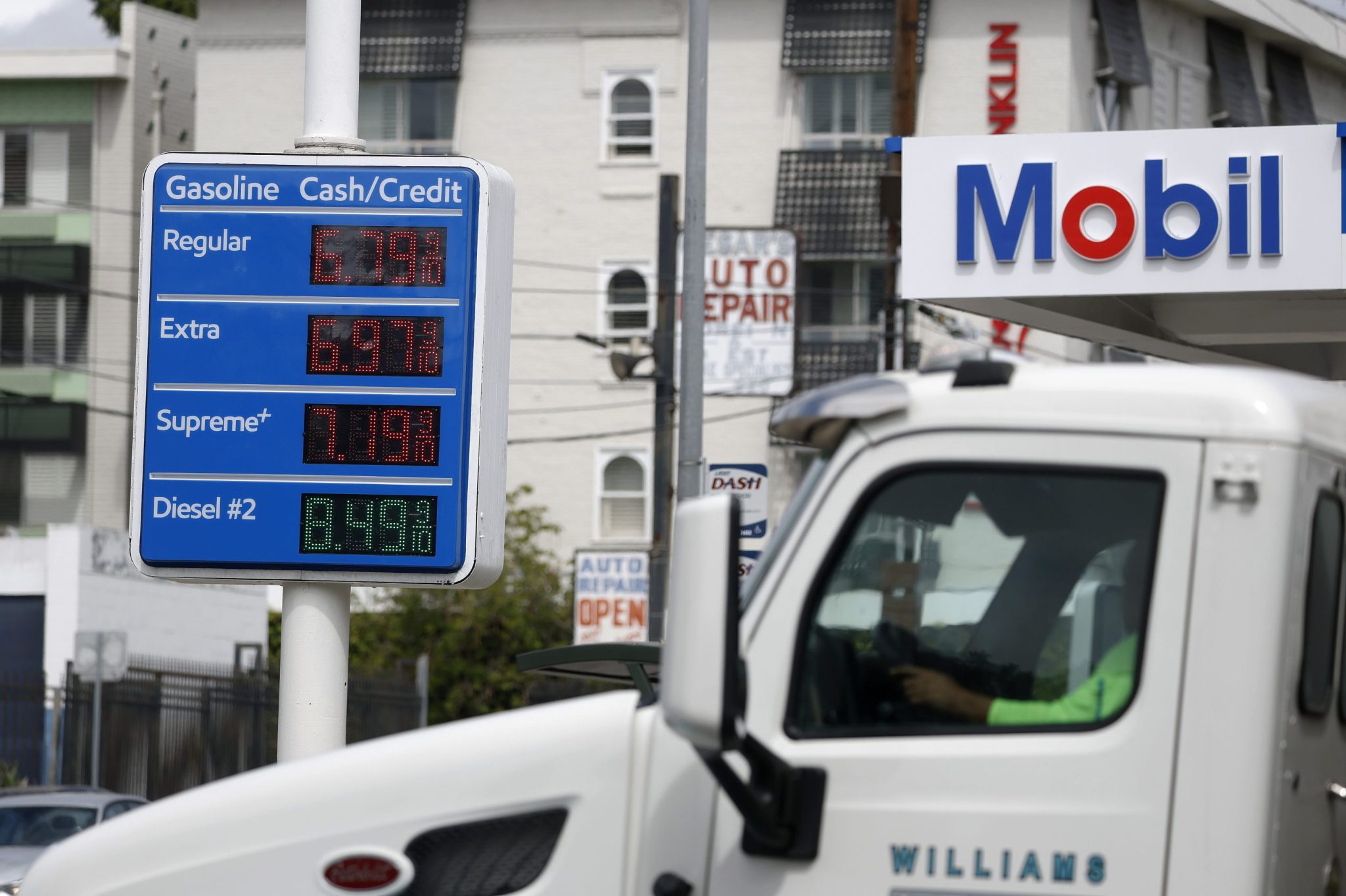
Consumer sentiment in the U.S. has officially never been worse. The University of Michigan’s final April reading came in at 49.8, the lowest in the survey’s 74-year-history. Three of the four lowest sentiment readings ever recorded have now happened in the past nine months. To be fair, the survey isn’t without its critics. Economists have pointed out for years that the gap between what consumers say in surveys and what they actually do has widened. Gen Z economic commentator Kyla Scanlon coined the term “vibecession” when sentiment was grim but spending was buoyant during the Biden administration. Analysts also note that the survey can be distorted by partisanship. A 2024 Richmond Fed study found that people feel 31% better about the economy than the data would suggest if their party controls the White House. The trouble is that sentiment surveys may measure not how people feel, but which words people have learned to use to describe how they feel.Heather Long, a chief economist at Navy Federal Credit Union who made her name covering the pandemic recession, believes the sentiment data speaks to something real.“Americans are literally getting squeezed now,” she told Fortune. “It’s not just a vibe, it’s a financial reality.” American workers have remained famously resilient in the battle against five years of sticky inflation. This spring could mark a turning point. Average hourly earnings rose 3.6% over the past year, according to Friday’s jobs report from the Bureau of Labor Statistics. Inflation in April is expected to come in around 4%, intensified by the U.S.-Israeli war in Iran and gas prices that have now crossed $4.55 a gallon nationally. Joseph Brusuelas, chief economist at RSM, said this week that real average hourly earnings will likely register flat to negative for April and “definitely negative” in May, once the supply shock from the Middle East war works its way through the econ