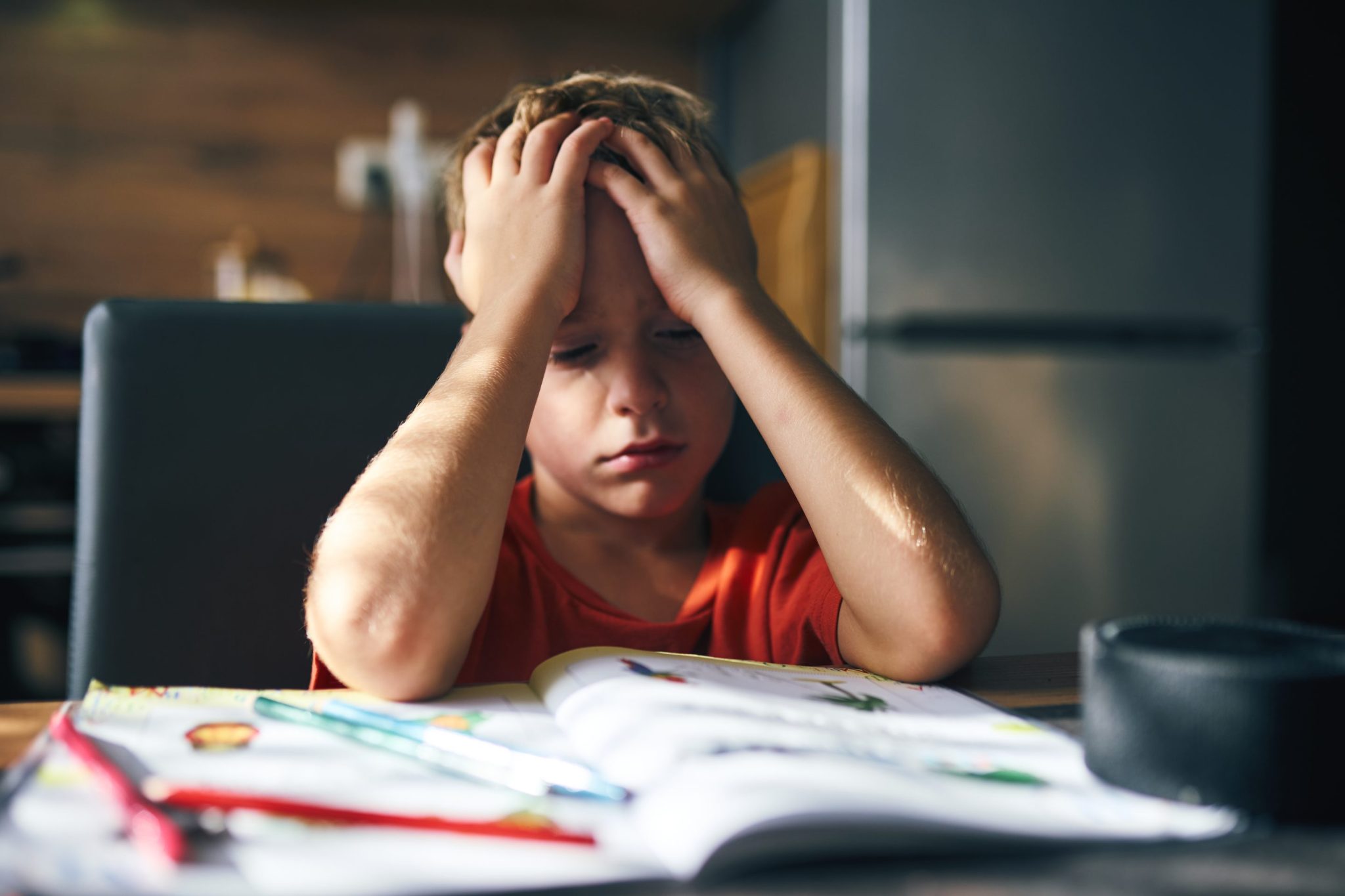
70% of fourth graders aren’t reading proficiently, report finds—one of several areas where education is failing America’s kids
Early childhood is a crucial time for education. It’s when children develop the cognitive and emotional ability to grow into successful adults, and instill foundational skills to keep learning later in life. Schools are supposed to be a place for kids to grow and learn, but in the U.S., they’re quickly becoming an emblem of American children’s declining wellbeing. According to a report on childhood wellbeing published Monday by the Anne E. Casey Foundation, children are recording worsening educational attainment scores across virtually every indicator. The findings suggest the U.S. education system has yet to fully recover from the COVID-19 pandemic’s impact on learning models, and represent a warning sign that America’s next generation of leaders may be primed to enter the workforce at a distinct disadvantage compared to their elders. “Today’s children are tomorrow’s workforce,” Leslie Boissiere, vice president of external affairs at the foundation who oversaw the report, told Fortune. “When we invest in the well-being of kids today, that’s investing in the future of the economy tomorrow.” The foundation’s report tracked a general decline in childhood wellbeing in the U.S. between 2019 and 2024, measured across four domains: education, health, family and community, and economic wellbeing. Education was the worst performer of the four. While on-time high school graduation rates have improved, every other indicator pointed negative. The sharpest declines were in foundational skills, with 70% of fourth graders—at least two million kids—unable to read proficiently, up from 66% in 2019, and 73% of eighth graders failing at math proficiency, compared to 67% in 2019. Attendance is also falling among preschool-age children, with only 46% of kids aged 3 and 4 in school, down from 48% five years prior. “That’s a critical time for brain development and for learning for children,” Boissiere said. Reading and math ability in particular are “key determina